
Last updated October 30, 2026
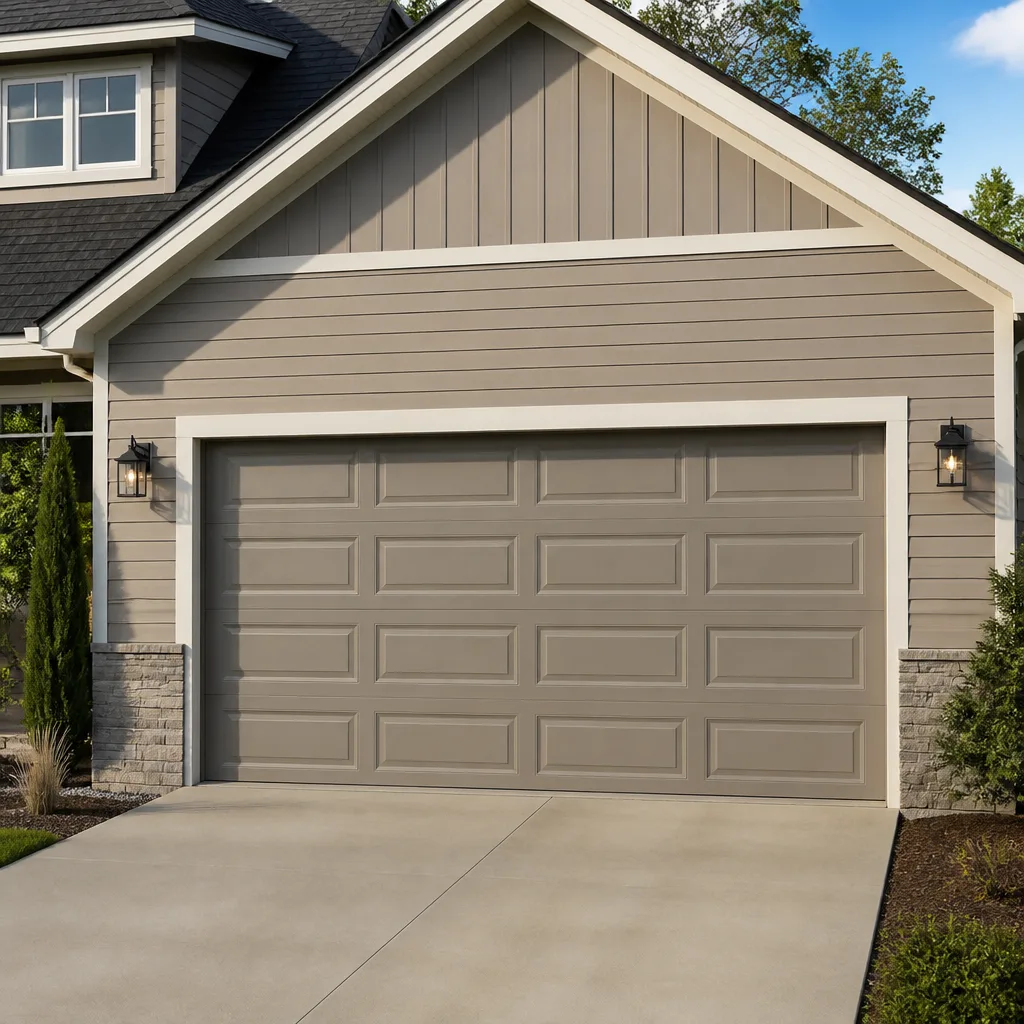 Raised-panel steel
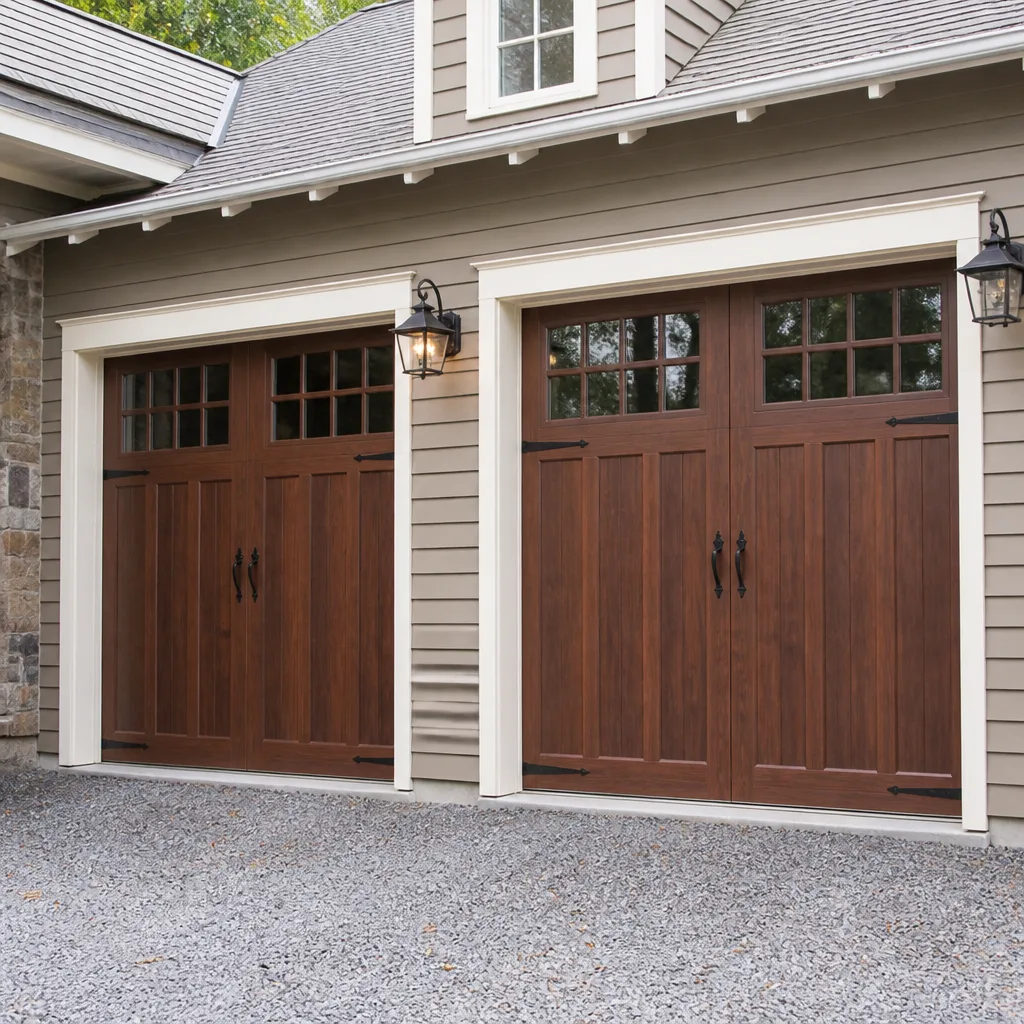 Carriage house
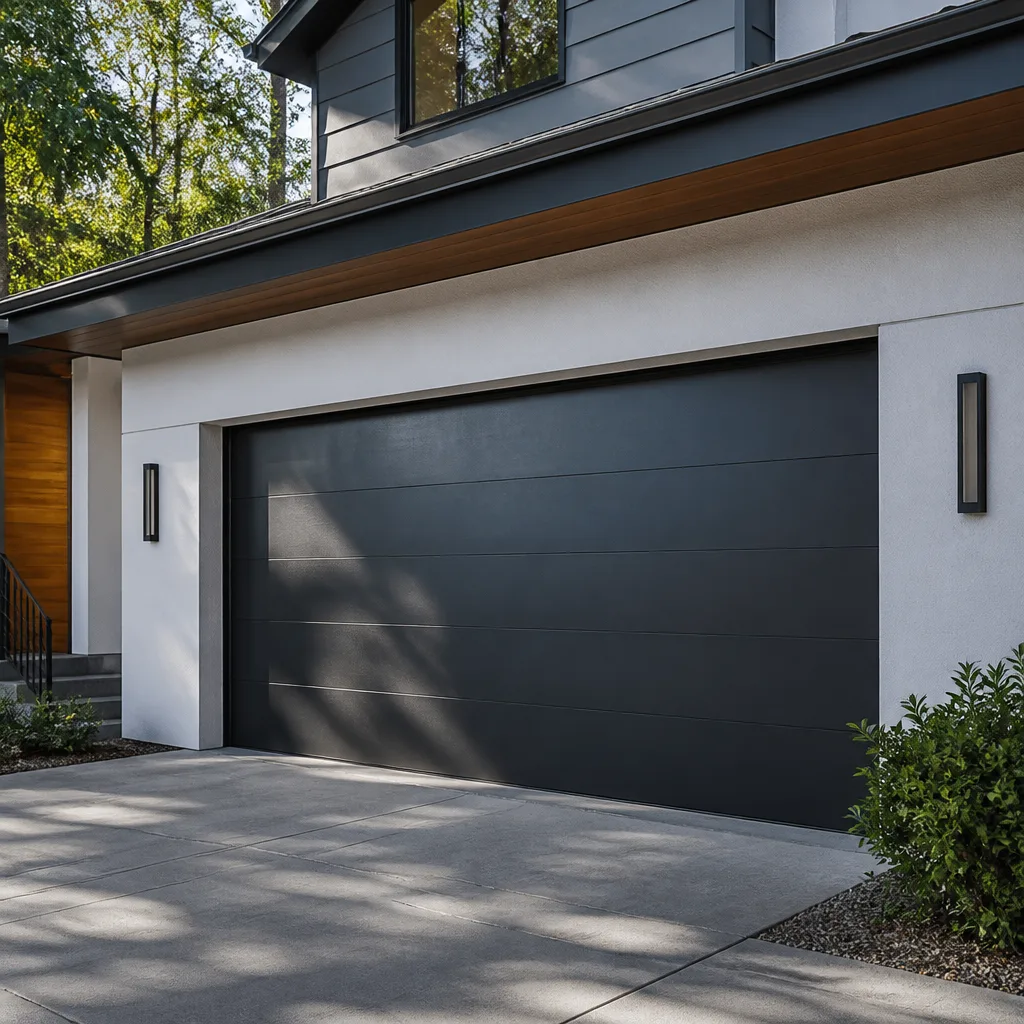 Modern flush
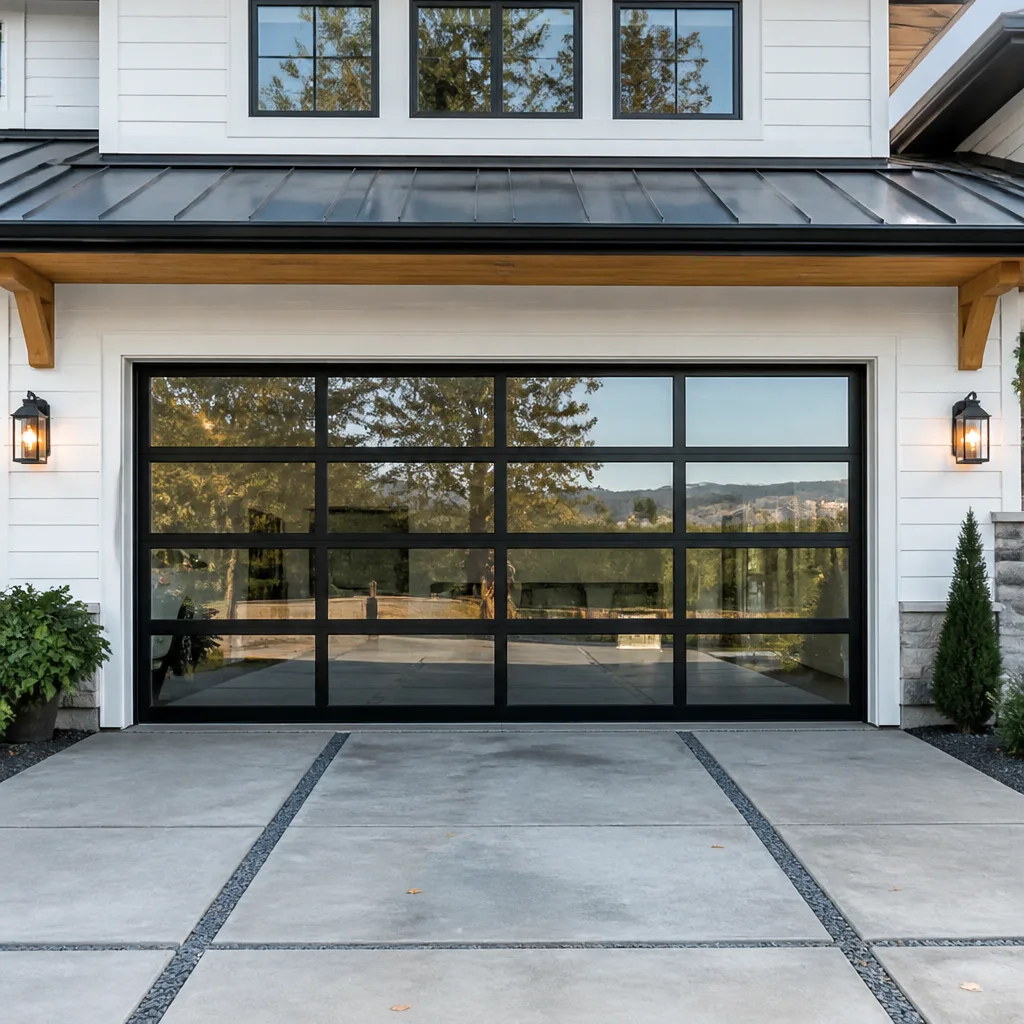 Full-view glass
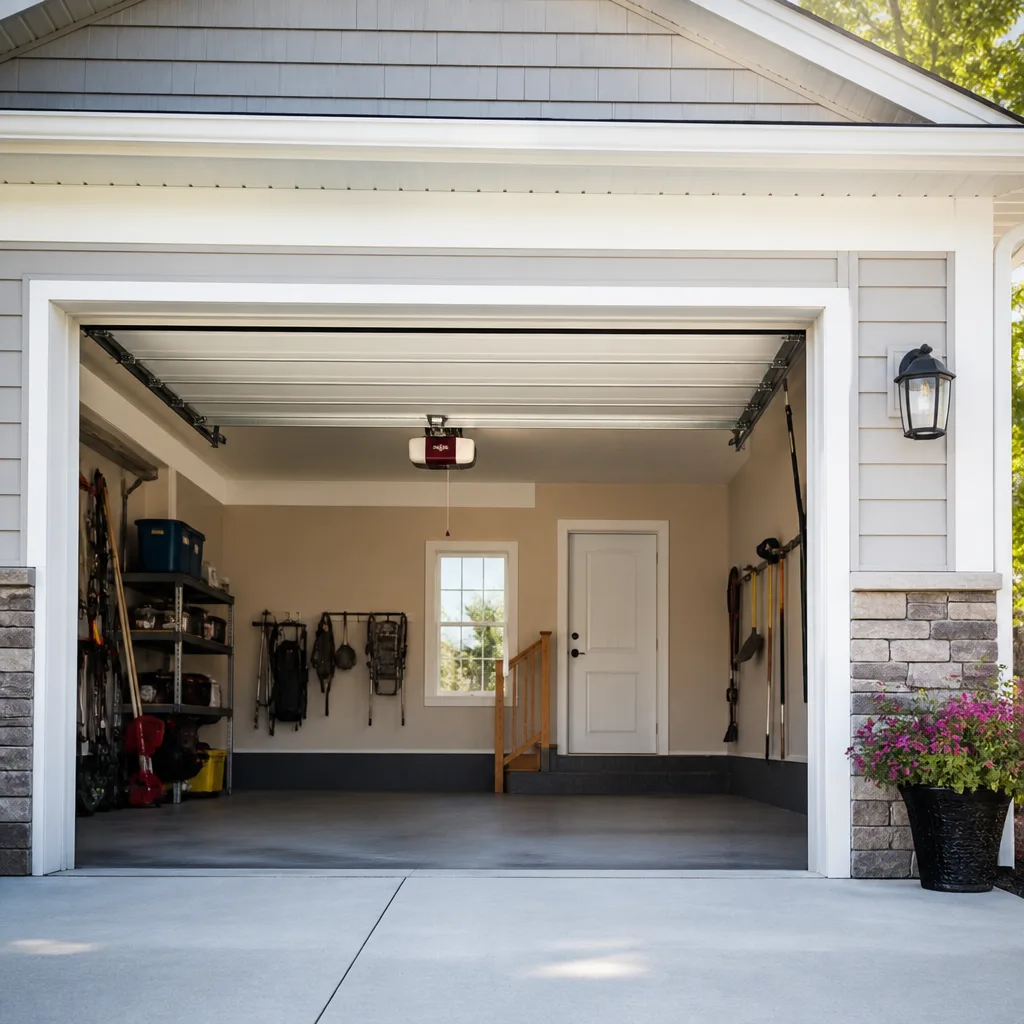 LiftMaster openers
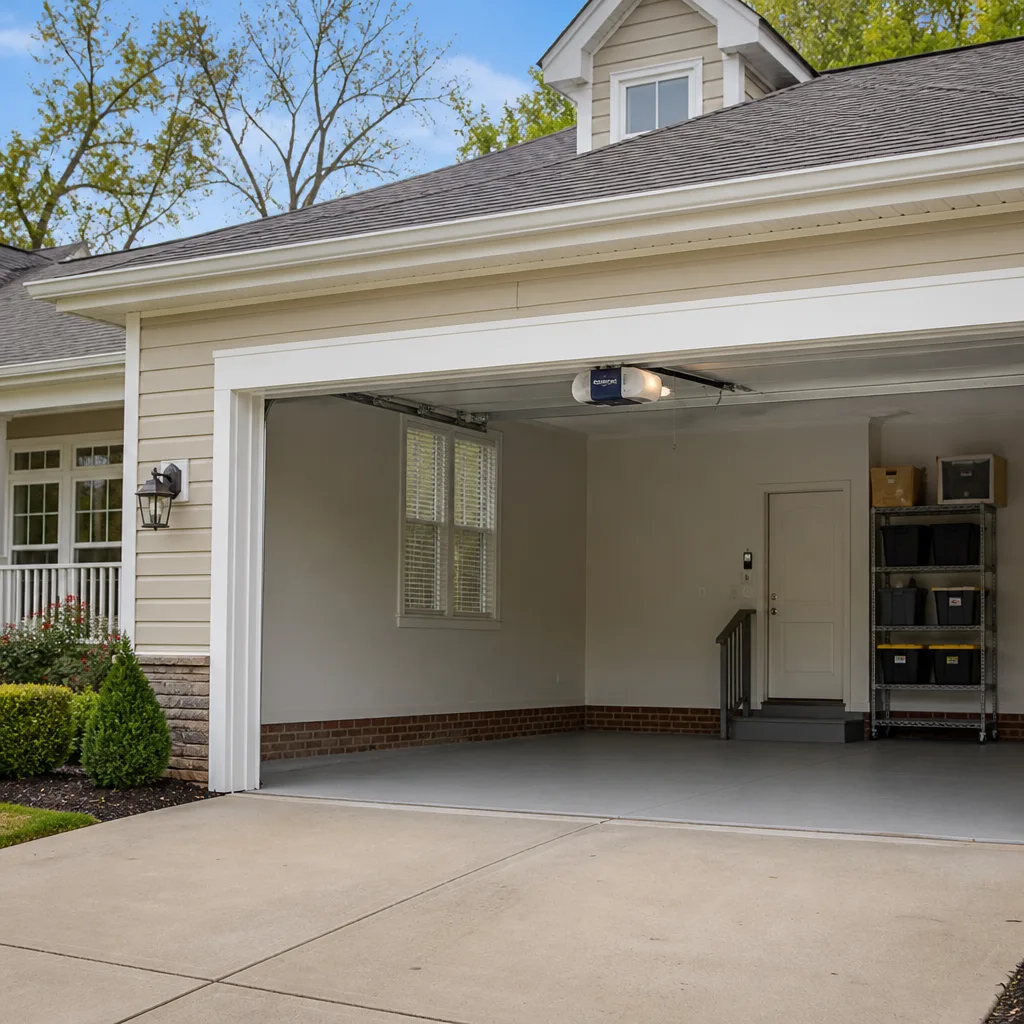 Chamberlain openers
Full 25-point door and opener safety check with every visit - springs, cables, rollers, tracks, and your LiftMaster or Chamberlain opener included
You get a price before we start. It does not change when the truck arrives.
Get your free estimateGarage Door Emergency Preparedness Guide for Sarasota Homes
During Hurricane Ian, a Sarasota homeowner tried to manually open his garage door to move his car before the storm surge arrived. The power was already out, and when he pulled the emergency release cord, nothing happened. He’d never tested it. The cord was tangled around the opener rail, and in the dark, with wind already rattling the door, he couldn’t figure out why. He abandoned the car. The garage flooded. That 20-minute task he’d skipped for five years became the reason he lost a vehicle and had water intrusion through the garage’s interior wall. This guide walks through what actually matters for Sarasota garage door emergencies: how to disengage your opener, secure the door when the power’s out, decide whether a stuck door is a this-afternoon problem or a tomorrow problem, and how to document damage for an insurance claim before anyone touches anything.
Quick Answer
Garage door emergency preparedness in Sarasota comes down to three things: knowing how to manually release your specific opener brand before a storm hits, having a plan to secure the door from the inside when there’s no power, and understanding which failures (off-track door, snapped spring, stuck-open door) require professional attention immediately versus which can wait. A homeowner who tests the emergency release once a year, keeps a backup power option for the opener, and knows how to deadbolt or brace the door from inside is prepared for roughly 90 percent of what Sarasota storm season throws at garage doors.
Styles & brands we work with
Table of Contents
- How to Manually Release Your Garage Door Opener (by Brand)
- Securing a Garage Door From the Inside When the Power Is Out
- Stuck Open, Stuck Closed, or Off-Track: Which One Is an Emergency
- Backup Power Options for Sarasota Storm Season
- Post-Storm Damage Assessment: What to Document Before Anyone Touches the Door
- Why Sarasota’s Climate Is Harder on Garage Doors Than Most Homeowners Realize
- Common Mistakes to Avoid
- When to Call a Professional
- Frequently Asked Questions
How to Manually Release Your Garage Door Opener (by Brand)
Every garage door opener sold in the US has a manual release mechanism, usually a red cord hanging from the trolley that connects the door to the opener rail. In Sarasota, the five most common opener brands installed in residential homes are LiftMaster, Chamberlain, Genie, Craftsman, and Raynor. The release procedure is similar across brands, but the location of the cord and the type of release vary enough that knowing your brand helps when you’re doing this in the dark with a flashlight under your chin.
The manual release exists for exactly this scenario: power is out, the opener won’t operate, and you need to open or close the door by hand. But there’s a catch. If the door is in the open position and you pull the release, a broken spring or cable can cause the door to come crashing down. Garage doors weigh between 130 and 400 pounds. A door with a snapped torsion spring has nothing counterbalancing that weight. Never pull the release cord when the door is open unless you’re certain the springs are intact.
LiftMaster and Chamberlain (Same Parent Company, Same Mechanism)
- Locate the red release cord hanging from the trolley on the opener rail. It’s typically about 6 inches long and hangs a few feet behind the opener motor unit.
- Pull the cord straight down and toward the garage door. You’ll hear a click as the trolley disengages from the carriage.
- The door is now in manual mode. You can lift it by hand using the handle. If the door is closed, lift carefully; if it feels heavy, stop and check for a broken spring.
- To re-engage, run the opener once power returns. The trolley will reconnect automatically on most models, or pull the release cord back toward the motor unit until it clicks.
Genie
- Genie openers use a similar red cord, but on some newer models the cord is attached to the carriage rather than the rail. Look for a red or orange handle.
- Pull down firmly. On Genie screw-drive and belt-drive models, the release disengages a different internal mechanism, so you may need to pull harder than on a LiftMaster.
- After release, the door moves freely. Lift or close the door manually. Keep the door balanced; if one side drops faster than the other, there’s a cable or spring issue.
- To re-engage, pull the cord toward the garage door while running the opener, or follow the re-engagement instructions stenciled on the motor housing (Genie often prints them on the unit).
Craftsman
- Craftsman openers, sold primarily through Sears until recent decades, use a mechanism nearly identical to Chamberlain (Chamberlain manufactured most Craftsman openers). The red cord hangs from the trolley.
- Pull down and toward the door. You’ll feel the trolley release from the carriage.
- Manually move the door. If the door is open and you’re trying to close it before a storm, have one person support the door while another checks that both cables are still on the drums.
- Re-engage by running the opener or pulling the cord back toward the opener motor.
Raynor
- Raynor openers are less common in Sarasota but appear in homes where the door itself is a Raynor (the company makes both doors and openers). The release cord may be yellow or red depending on the model year.
- Pull down firmly. Raynor’s trolley system is stiffer than some competitors, so expect more resistance.
- The same safety rule applies: never pull the release on an open door if you haven’t verified the springs are intact.
If you own a Wayne Dalton or Amarr door paired with an opener from one of the above brands, the release procedure follows the opener brand, not the door brand. At Copper Garage Door Repair, we work on all five opener brands above plus the door brands they’re commonly paired with, so when we get a call from a Sarasota homeowner who couldn’t disengage their opener, we walk through this exact checklist before sending a technician out. More often than not, the issue is rust or grime on the release mechanism, not a mechanical failure. A squirt of lubricant on the trolley twice a year prevents the cord from seizing.
Securing a Garage Door From the Inside When the Power Is Out
When the power goes out in Sarasota, your garage door opener becomes a metal box doing nothing. The door itself is still there, and if you’re riding out a storm, an unsecured garage door is a weak point in the home’s envelope. Wind-rated garage doors exist, but most residential doors in Sarasota homes built before the 2002 Florida Building Code are not rated for hurricane-force winds. Even a post-2002 door needs to be secured properly to do its job.
Here’s the step-by-step process we recommend to Sarasota homeowners, in order of what actually matters:
- Disengage the opener. Pull the manual release cord as described above. A door in manual mode doesn’t fight against the opener’s travel limits when you secure it.
- Close the door fully. If the door is open and the springs are intact, lower it by hand. If the door is open and a spring is broken, do not attempt to lower it alone. Call for help. A door with a broken spring can drop suddenly.
- Slide the lock bar or deadbolt. Many garage doors in Sarasota have a manual slide lock on the interior face of the door, usually near one of the tracks. If yours has one, slide it into the locked position. This physically prevents the door from lifting.
- If no lock bar exists, use a clamp or a padlock. A C-clamp or locking pliers secured on the track just above a roller prevents the door from being lifted from outside. A padlock through the track and a roller stem does the same. This is a temporary storm measure, not a permanent solution.
- For doors in hurricane zones, consider permanent braces. For a door that faces the water or sits on the windward side of the home, vertical steel braces anchored into the header and floor are the only setup that genuinely approaches hurricane resistance. These are installed by professionals and used only when a storm is approaching.
One detail many homeowners miss: the weather seal at the bottom of the door. If the seal is worn or torn, wind-driven rain gets under the door and pools in the garage. In a Sarasota summer storm, that’s not just water on the floor. It’s water wicking into drywall, soaking boxes stored on the floor, and creating the conditions for mold within 48 hours. A $40 bottom seal replacement before hurricane season beats a $4,000 mold remediation after it.
Stuck Open, Stuck Closed, or Off-Track: Which One Is an Emergency
A garage door stuck in any position is frustrating, but not all stuck-door situations are emergencies. In our experience across Sarasota, homeowners waste time and escalate stress by treating every garage door issue as a “get here now” problem, when the real priority ranking is: off-track door first, stuck-open door second, stuck-closed door third.
Off-Track Door: Stop Everything
A door that has jumped its track is the one situation where you should not touch anything. The door is partially suspended by cables under extreme tension, and any movement can snap a cable or shear a roller off. An off-track door after a storm often means the wind pushed the door sideways while the opener was engaged, bending the track and popping the rollers out. Do not try to lift, push, or close the door. Do not run the opener. Call a professional. A technician will assess whether the door can be re-seated on the track or whether the track itself needs replacement. On a Clopay or Amarr door, track replacement is straightforward if the panel isn’t damaged. On an older Wayne Dalton door, a bent track can mean the panel connection points are also compromised, which changes the repair scope.
Stuck Open: Secure It, Then Call
A door stuck open after a storm is a security risk and a water-intrusion risk, but not necessarily a stop-everything emergency. The sequence that matters: secure the door from inside if possible, document the situation with photos, and call for repair. A stuck-open door usually means a broken spring, a cable that jumped the drum, or an opener that burned out while lifting. All three are repairable. What you don’t want to do is leave the door open overnight in a Sarasota neighborhood, because an open garage advertises everything inside it to anyone walking by. If the door won’t stay down on its own, brace it or use a clamp on the track as described above, and keep the interior door to the house locked.
Stuck Closed: Breathe. You Have Time.
A door stuck closed is the least urgent of the three. You can’t get your car out, which is inconvenient, but your home is secure and your possessions are protected. The cause is usually a broken spring that’s no longer counterbalancing the door, a snapped cable, or an opener that died mid-travel. If the door is stuck closed and you need your car, do not force the door open. A door with a broken spring weighs 150 to 400 pounds, and the effort to lift it by hand is how people tear rotator cuffs and throw out backs. Call for repair. Most Sarasota garage door repair companies can get a technician out within 24 to 48 hours for a non-emergency, and the repair itself typically takes 45 to 90 minutes.
The reason off-track is a stop-everything situation and stuck-closed isn’t: the off-track door has live tension in the cables and a falling hazard, while the stuck-closed door is just sitting there. Knowing the difference means you don’t panic at 11 p.m. when you don’t need to, and you do act immediately when you should.
Backup Power Options for Sarasota Storm Season
Sarasota loses power during summer storms with a regularity that surprises newcomers and doesn’t faze locals. When the power goes out, a garage door opener without backup power is a wall-mounted paperweight. If your car is in the garage and you need to evacuate, you can use the manual release, but that’s a physical task in the dark. If you have a battery backup opener, you just press the button.
There are two realistic backup power options for Sarasota homeowners: factory battery backup units built into the opener, and aftermarket Uninterruptible Power Supply (UPS) units.
Option 1: Factory Battery Backup Openers
LiftMaster, Chamberlain, and Genie all sell openers with integrated battery backup. These units switch to battery power automatically when line power fails. A fully charged battery typically provides enough power for 20 to 50 open/close cycles, which covers evacuation and several days of intermittent use. The battery sits inside the opener housing or in a separate pack mounted beside it, and it recharges when power returns. In Sarasota, where power outages routinely last 6 to 24 hours after a storm, a factory battery backup is the single most valuable upgrade you can make to your garage door system before hurricane season. Installation cost is typically $150 to $300 more than a standard opener, and the battery needs replacement every 3 to 5 years.
Option 2: UPS Units
A UPS is an external battery unit that plugs into a wall outlet and powers the opener through its existing plug. UPS units designed for computers and electronics generally don’t work for garage door openers because they don’t provide enough surge current to start the motor. You need a UPS rated for motor loads, which typically means a unit with a 1,000VA or higher capacity designed for sump pumps or small appliances. A motor-rated UPS provides fewer open/close cycles than a factory battery backup, usually 5 to 15 depending on the door weight and the UPS capacity. The advantage is that a UPS can be moved to other uses (refrigerator, sump pump) when it’s not powering the garage door. The disadvantage is that you’re relying on a third-party solution rather than the engineered pairing of opener and battery.
Our honest recommendation for Sarasota homeowners: if you’re replacing your opener anyway, choose one with factory battery backup. If your current opener works fine and you just want insurance against the next outage, evaluate whether your garage door is essential to your evacuation plan. If you have a car in the garage that you’d need to leave with, a UPS is worth it. If you park in the driveway and the garage is storage, the manual release is sufficient, and you can spend the money on a bottom seal or a storm brace instead.
Post-Storm Damage Assessment: What to Document Before Anyone Touches the Door
After a Sarasota storm, the instinct is to get the garage door working again as fast as possible. That instinct is correct for your quality of life, but it’s actively counterproductive for your insurance claim. Insurance adjusters need to see the damage as it happened, not as it looks after a well-meaning technician has already bent metal back into place.
Here’s the documentation checklist we walk every Sarasota homeowner through when they call us after storm damage. Do this before a technician arrives, and if you’ve already called someone, do it before they start work:
- Photograph the door from outside, straight on. Capture the full door in frame, including the header and trim. This shows bowing, panel damage, and misalignment.
- Photograph the door from inside, straight on. Same angle, opposite side. This shows track damage, cable position, and spring condition.
- Photograph both tracks, top to bottom. Stand close enough that the track fills the frame. Bent tracks are the most common post-storm damage we see in Sarasota, and adjusters need a clear image of the bend.
- Photograph the springs. If a spring is snapped, photograph the break point. If the spring is intact but stretched, photograph it end-to-end so the deformation is visible.
- Photograph the opener. Especially if there’s water staining, burn marks, or the unit has fallen from its mount. Storm-related water damage to openers is common when roofs leak over the garage.
- Video the door moving (if it moves at all). A 10-second video of the door struggling, grinding, or failing to move is more persuasive than any written description.
- Note the date and time of each photo. Most phone cameras do this automatically, but verify. Insurance claims with accurate timestamps move faster.
The sequence after documentation: call your insurance company to report the claim, then call a garage door repair company for an estimate. Most insurers reimburse repairs at the contractor’s stated rate as long as the damage is documented and the estimate is itemized. A good repair estimate separates parts, labor, and tax, and identifies what was storm-damaged versus what was pre-existing wear. That distinction matters. A spring that snapped during the storm is covered. A spring that was already 8 years old and due for replacement is a maintenance item, and the adjuster will likely deny that portion of the claim.
Copper Garage Door Repair provides itemized estimates for Garage Door Repair in Sarasota specifically because it makes insurance claims smoother. We tell you exactly what’s broken, why it broke, and what the repair costs before anyone picks up a tool.
Why Sarasota’s Climate Is Harder on Garage Doors Than Most Homeowners Realize
Sarasota’s climate does two things to garage doors that homeowners in most of the country never experience: salt-laden air accelerates corrosion on springs, cables, and hardware, and the storm season applies wind loads that test the door’s structural limits every summer. A garage door that works fine in Ohio or Texas has a shorter service life in Sarasota, not because the door is worse, but because the environment attacks it harder.
The salt factor is the silent one. Even homes a mile or two inland from the Gulf get salt in the air during storms and during the summer’s daily sea breeze cycle. Salt accelerates rust on torsion springs, which are oil-tempered steel under constant tension. A spring that might last 10,000 cycles in a dry climate can fail at 6,000 or 7,000 cycles in Sarasota’s coastal environment. The failure isn’t gradual. It’s a loud snap at 7 a.m. on a Tuesday and a garage door that won’t open. The preventative measure is annual inspection and lubrication of the spring coil, which a technician can do in about 20 minutes during a maintenance visit.
The wind factor is the visible one. Sarasota sits on the Gulf Coast, which means hurricane season from June through November brings the possibility of sustained high winds. Wind pressure on a 16-foot-wide garage door is enormous. A 100 mph gust pushes with roughly 25 pounds per square foot, which translates to over 6,000 pounds of lateral force on a standard double garage door. That’s why post-2002 Florida Building Code doors in Sarasota require wind-load ratings. If your home predates 2002, your garage door likely doesn’t have these reinforcements, and wind-rated retrofits or a full door replacement are the only ways to bring it up to current standards.
What this means for homeowners: the age of your Sarasota home matters for your garage door’s storm readiness. A home built in the 1990s in Palmer Ranch, for example, may have a door that looks fine but lacks the internal bracing to withstand a direct hit. A home built in the 2010s in Lakewood Ranch was required to have a wind-rated door from day one. Knowing which category your home falls into tells you whether to prioritize storm bracing this season or whether the door is already built for it.
Common Mistakes to Avoid
- Pulling the manual release cord on an open door without checking the springs. A broken spring means the door comes down uncontrolled. Two people can be injured, and the door can be damaged beyond repair. Always assess spring condition first.
- Testing the emergency release for the first time during an actual emergency. The cord is tangled, the mechanism is rusted, or you can’t find it in the dark. Once a year, in daylight, pull the release, move the door by hand, and re-engage the opener. Five minutes prevents a storm-night panic.
- Assuming the garage door is secure because the opener is engaged. An engaged opener doesn’t lock the door. It just positions it. Without a manual slide lock, a door can often be lifted from outside by hand or with a coat hanger through the top gap. Secure the door mechanically when you’re away for extended periods or riding out a storm.
- Leaving a stuck-open door unsecured while waiting for a repair appointment. In Sarasota’s summer, an open garage door is an invitation: to thieves, to storm-driven rain, to every stray cat in the neighborhood. Clamp the track, brace the door, and keep the interior door locked.
- Skipping documentation before the repair starts. Once the old spring is off and the track is un-bent, your insurance adjuster has nothing to see. Photos first. Always.
- Using WD-40 or another penetrating oil on the spring or tracks. These products displace grease and accelerate wear on the spring coil. The correct product for garage door springs is a lithium-based or silicone-based garage door lubricant. Copper’s technicians carry the right lubricant for every spring and roller type we service.
- Assuming a new opener fixes a door that was never properly balanced. The opener is a motor, not a suspension system. If the door is heavy on one side or the spring tension is wrong, a new opener will burn out faster than the old one did. The door gets balanced first. The opener gets replaced second. This is the kind of thing we check on every Garage Door Opener Repair in Sarasota we’re called to.
When to Call a Professional
You’re not expected to fix everything yourself. The line between DIY and professional is clear, and it’s drawn where tension, height, and electrical power intersect. Torsion springs are under hundreds of pounds of tension; they kill people when they snap during amateur repairs. Cables run through pulleys and drums while carrying the door’s weight; a misplaced cable can slice through a hand. Openers run on household current; a wiring mistake starts a fire or destroys the controller board. If the problem is any of these three things, call someone who does this every day.
You should also call if the door is off-track (as covered above), if you’ve never done the manual release test and you’re not comfortable doing it alone, or if you need storm bracing installed before hurricane season. Copper Garage Door Repair offers free estimates in Sarasota. Call (866) 282-4861 and we’ll walk through what you’re seeing, what we’d recommend, and what it costs before you commit to anything. If it’s a repair our technicians can do, we’ll tell you what’s wrong, why it happened, and how to keep it from happening again. No upsell, no jargon. Just a brand-agnostic diagnosis from a team that’s certified on eight major door and opener brands.
Frequently Asked Questions
Pull the emergency release cord to disengage the opener from the door, then lift the door manually. The release works on every major opener brand, including LiftMaster, Chamberlain, Genie, Craftsman, and Raynor. If the door feels heavy or won’t move, stop and call (866) 282-4861 for guidance rather than forcing it.
A factory battery backup opener typically runs $150 to $300 more than a standard opener, depending on the brand and horsepower. A motor-rated UPS unit runs $200 to $400. For most Sarasota homeowners who park in the garage and might need to evacuate, the factory battery backup is the better long-term value.
Yes. Disengage the opener, close the door fully, then slide the manual lock bar into position. If there’s no lock bar, clamp a C-clamp on the track just above a roller. These are temporary measures, but they prevent the door from being lifted from outside during a storm.
A stuck-open door is the more urgent problem because it leaves your home exposed to weather, theft, and water intrusion. A stuck-closed door is inconvenient but the home stays secure. An off-track door is the true emergency: don’t touch it, don’t run the opener, and call a professional immediately.
Most Sarasota homeowner policies cover storm-related garage door damage under the dwelling coverage, but the claim needs documentation. Photograph the door, tracks, springs, and opener before repairs begin. An itemized repair estimate that separates storm damage from pre-existing wear makes the claim faster and more likely to be approved.
Sarasota’s salt air shortens spring life compared to inland climates. A spring rated for 10,000 cycles in dry conditions may fail at 6,000 to 7,000 cycles here. For a door used four times a day, that’s roughly 5 to 7 years of life versus 7 to 10 years inland. Annual inspection and lubrication extend the service life, but salt corrosion eventually wins. If your springs are more than 5 years old, have them inspected before hurricane season.
The Bottom Line
Twenty minutes before hurricane season saves you two weeks of stress after it. That’s the whole of this guide in one sentence. Test your emergency release cord today. Check your springs visually: if one looks stretched or rusted, have it inspected. Secure your door mechanically when a storm is coming, not by relying on the opener. Document any post-storm damage before repairs begin. And know the difference between a stuck door that needs attention today and an off-track door that needs attention right now. If you do those things, a garage door emergency in Sarasota becomes a scheduled repair rather than a crisis. If you don’t, the next storm will gladly teach you which step you skipped. We’d rather help you get ahead of it. Copper Garage Door Repair home covers every part of the system, on every major brand, in one call.
Written by the team at Copper Garage Door Repair, serving Sarasota since 2013. We’re certified on LiftMaster, Chamberlain, Genie, Clopay, Amarr, Wayne Dalton, Craftsman, and Raynor equipment, and we handle Garage Door Repair in Sarasota, Garage Door Opener Repair in Sarasota, and Garage Door Installation in Sarasota.
See the difference
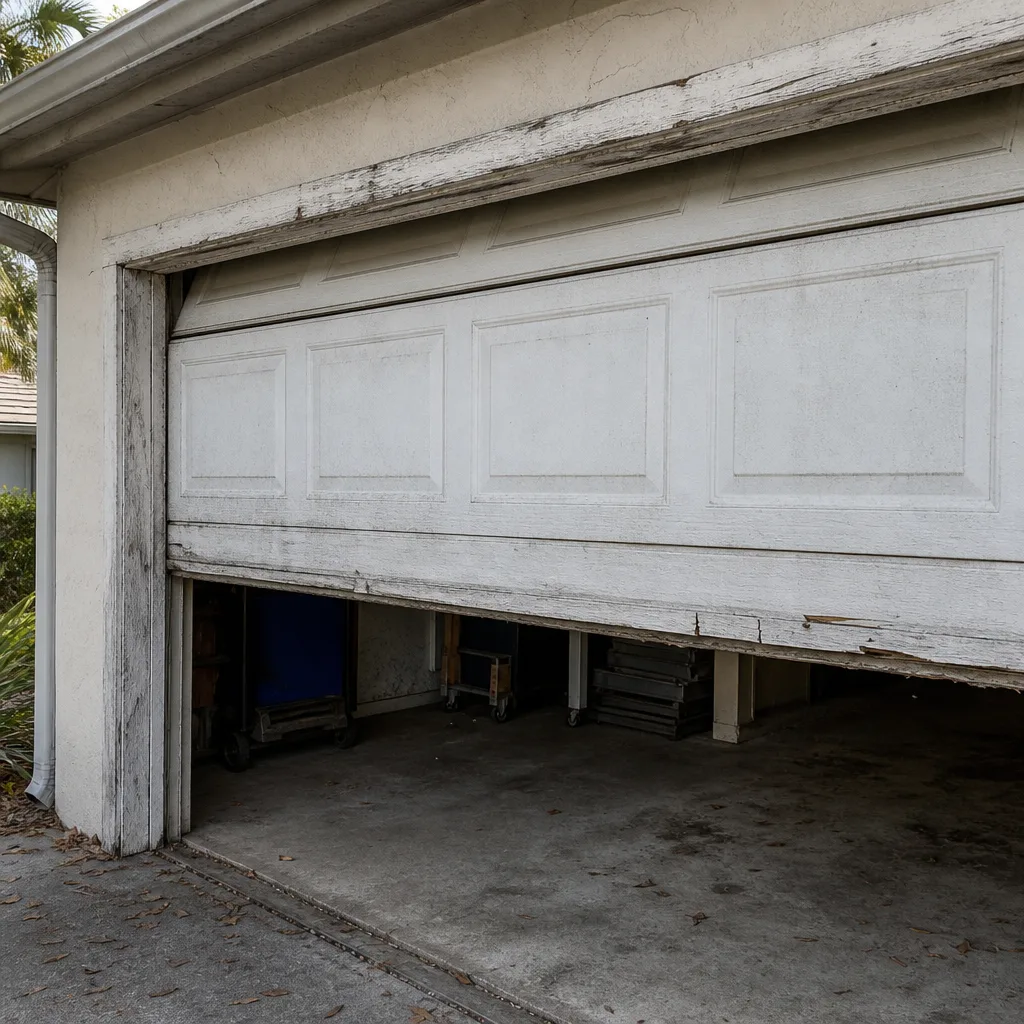 Before
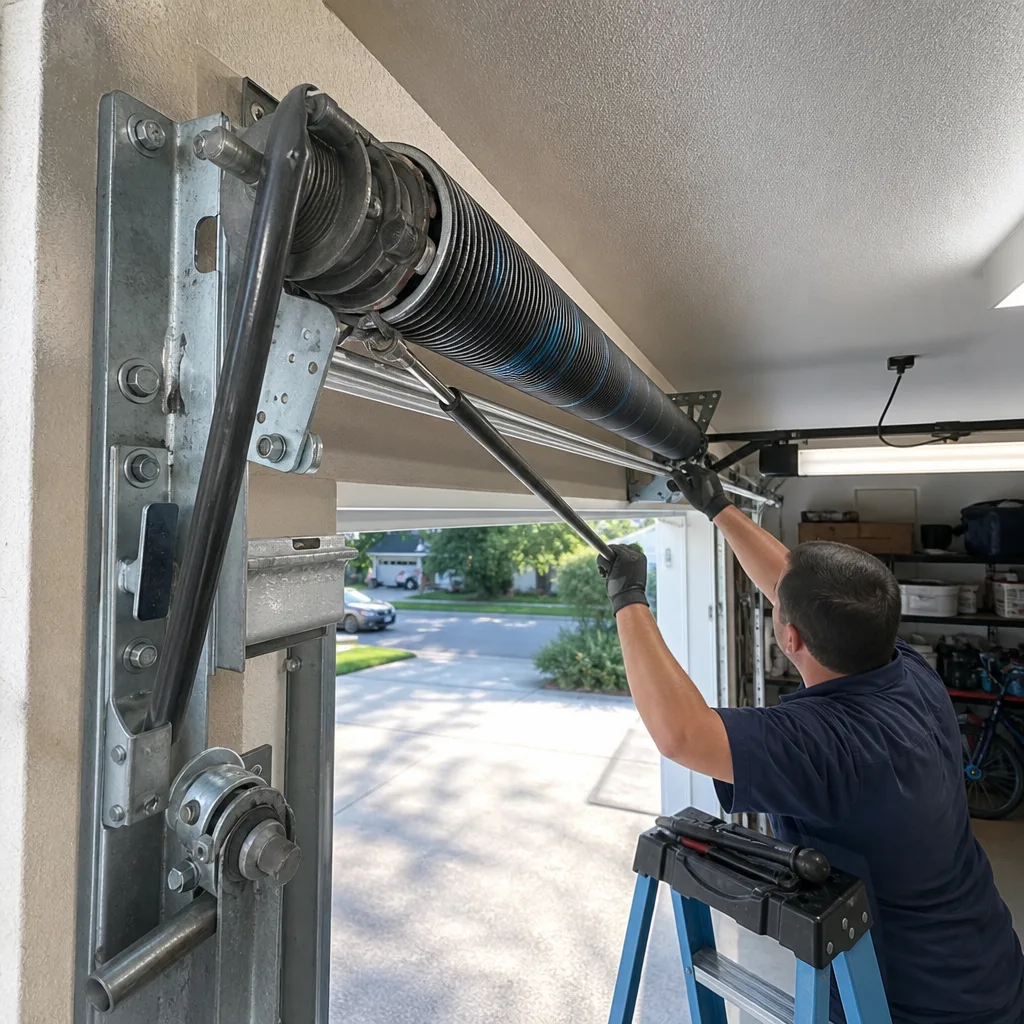 After
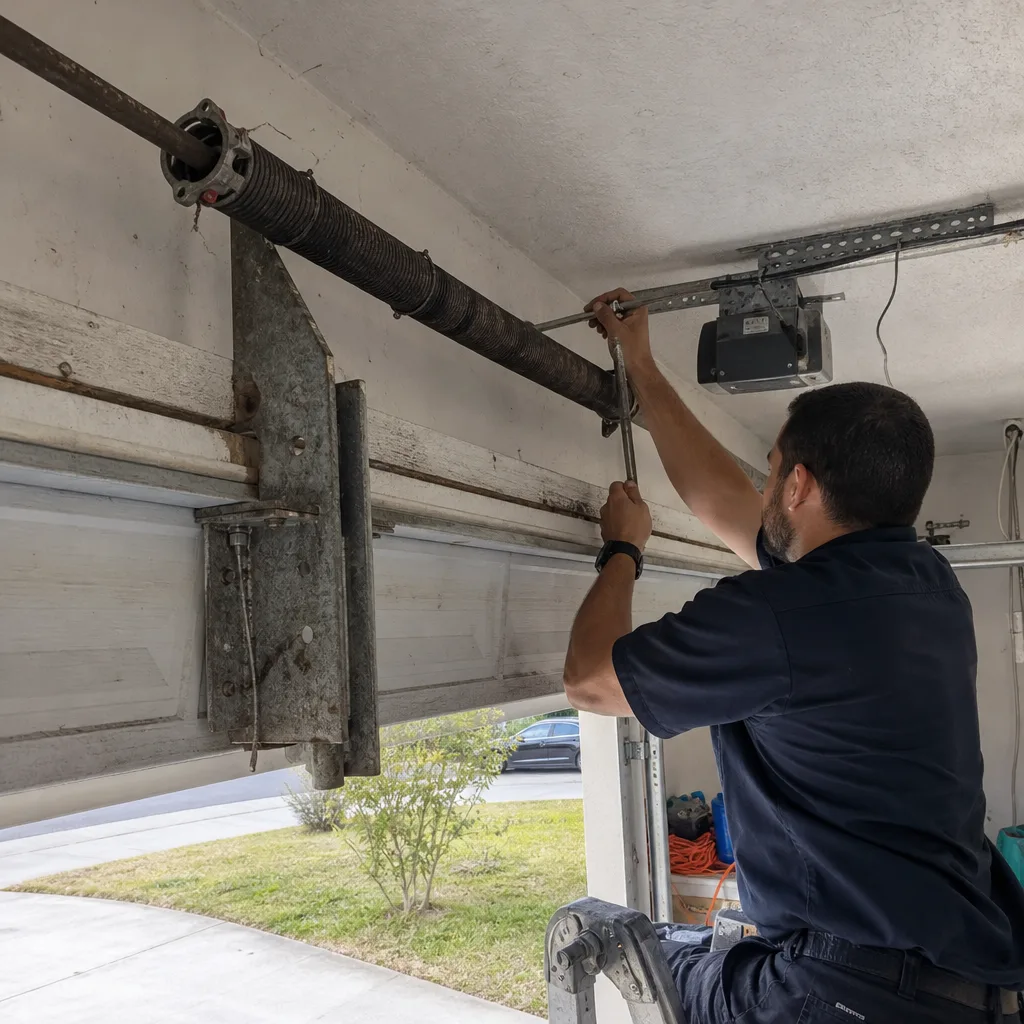 Before
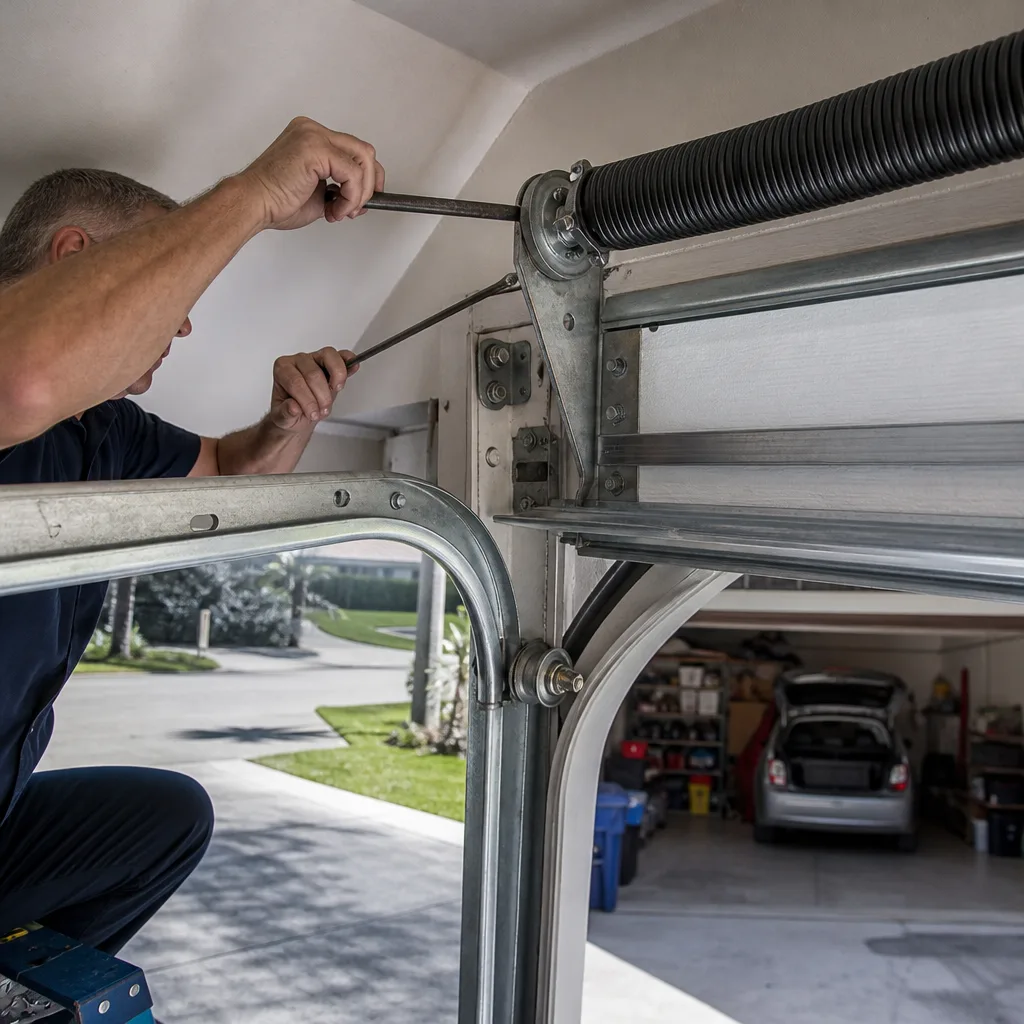 After
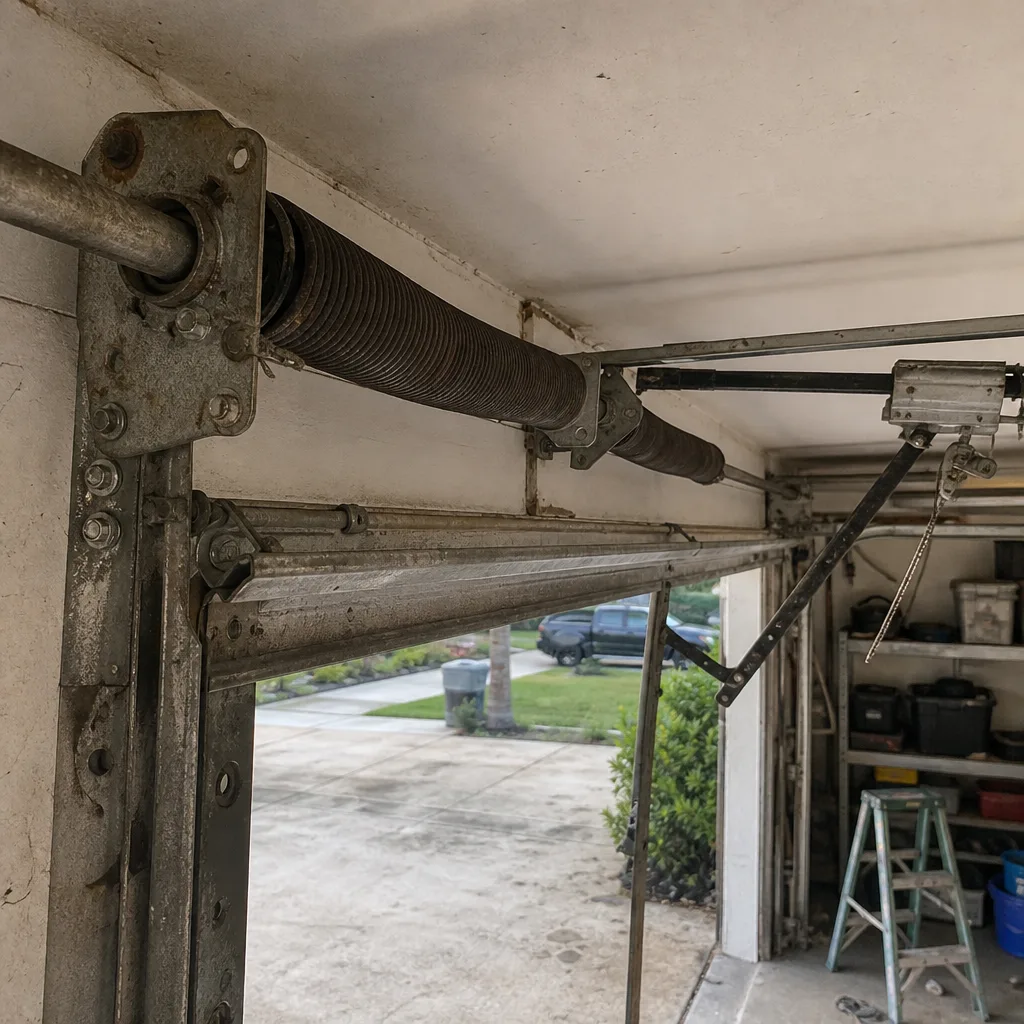 Before
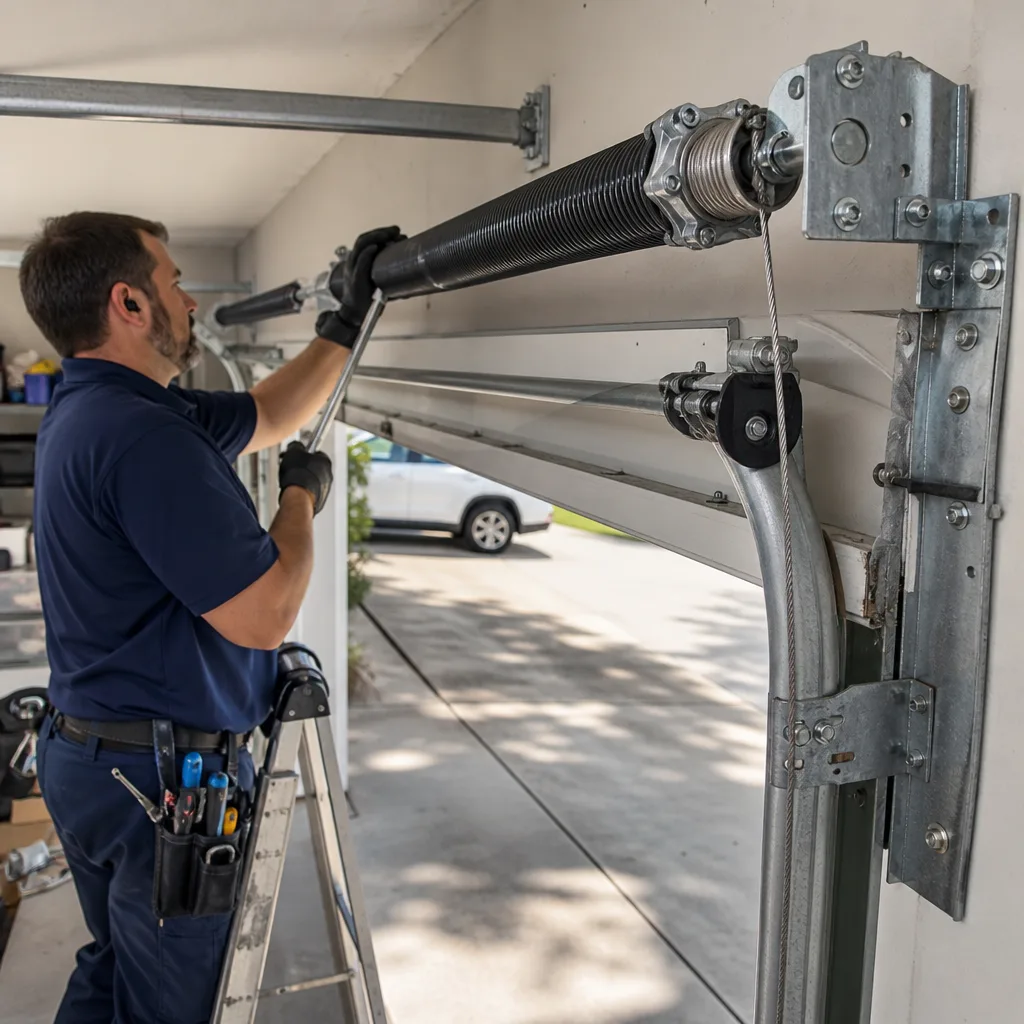 After