
Last updated October 30, 2026
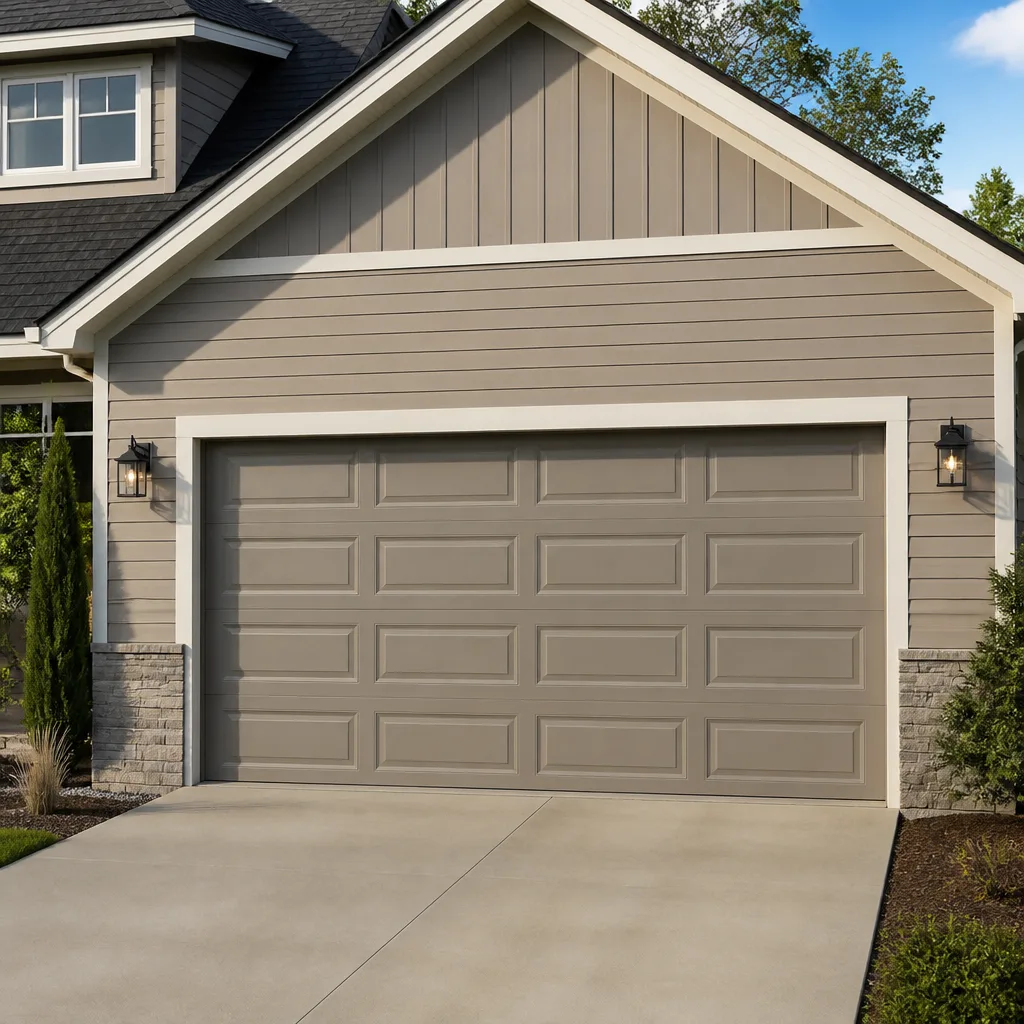 Raised-panel steel
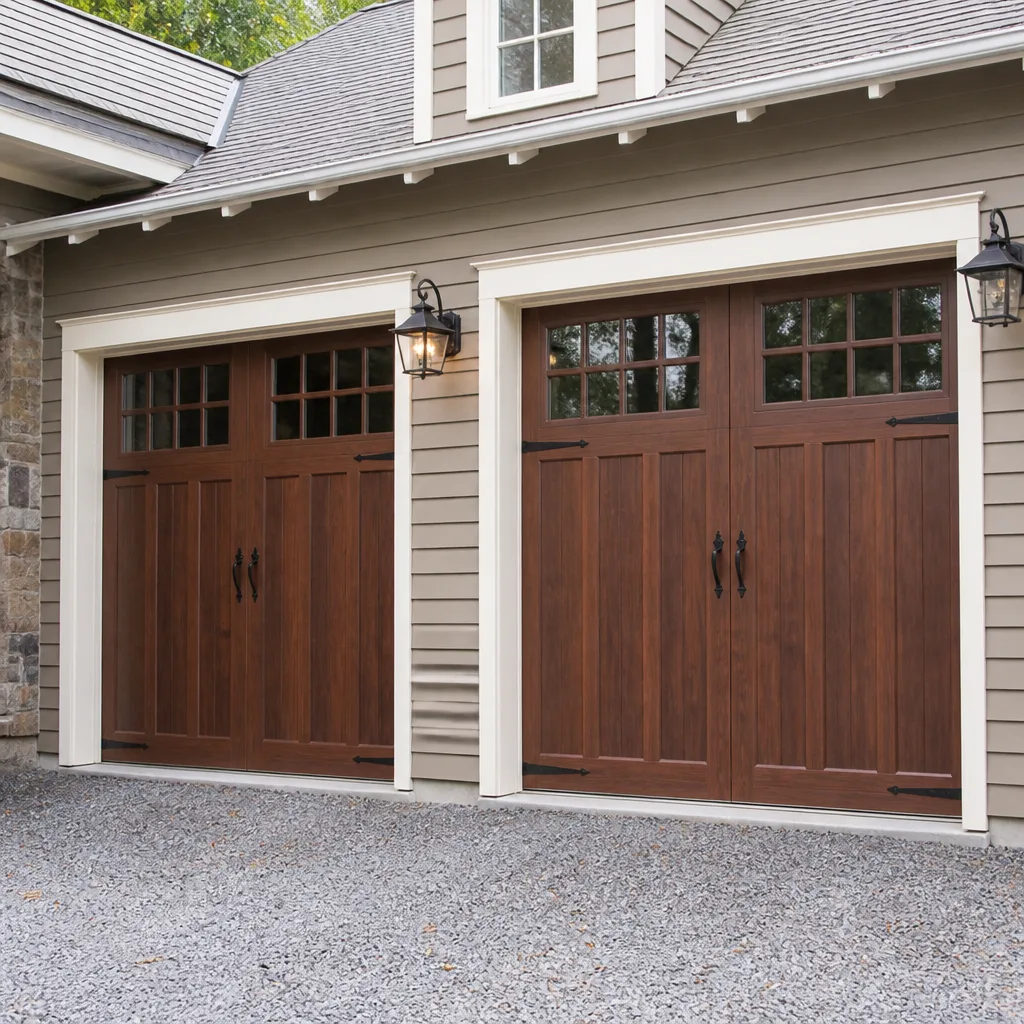 Carriage house
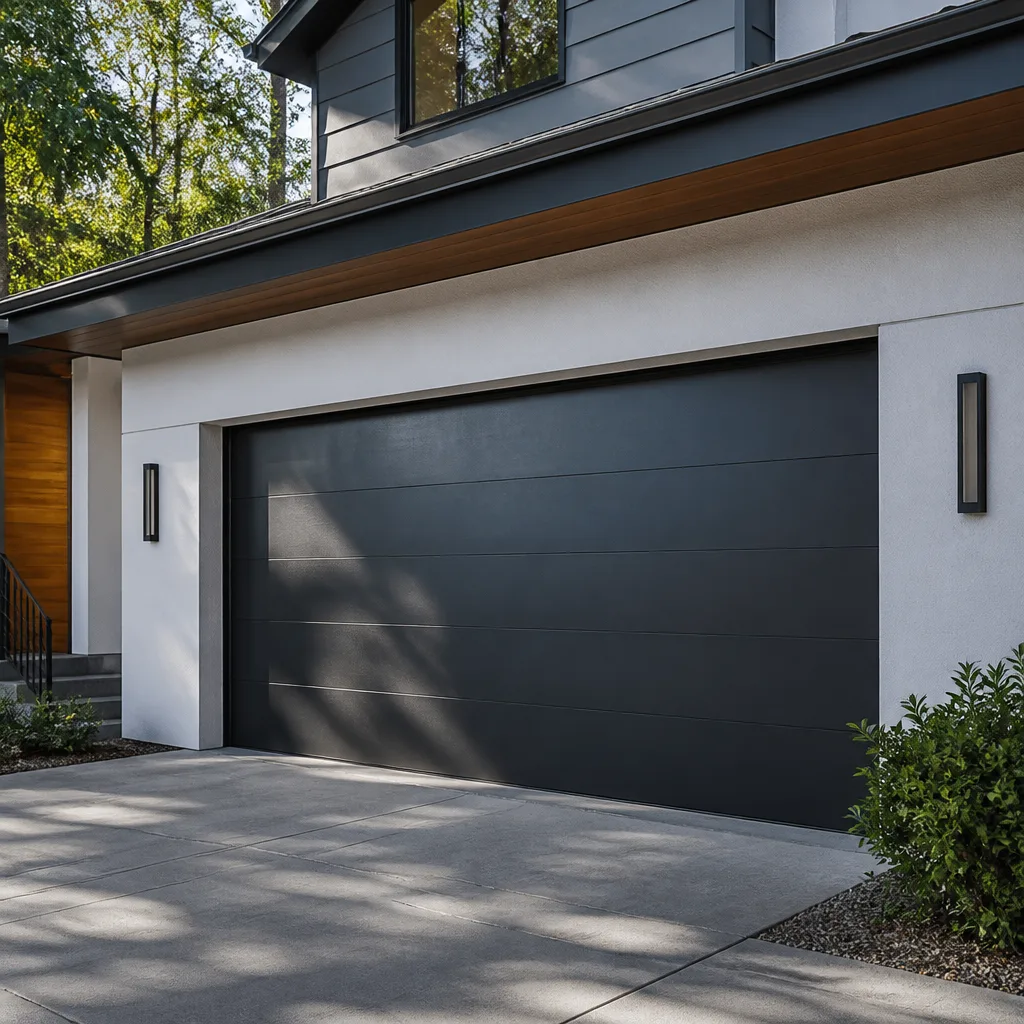 Modern flush
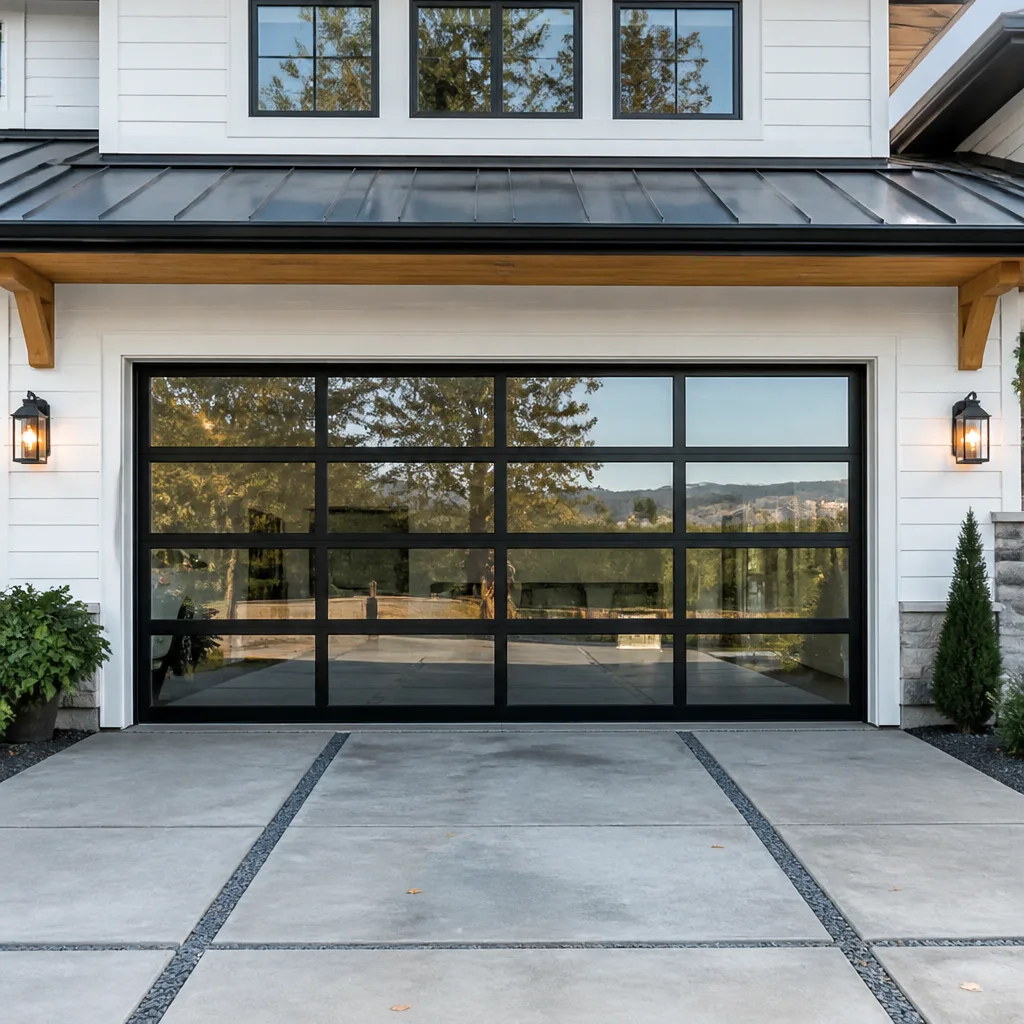 Full-view glass
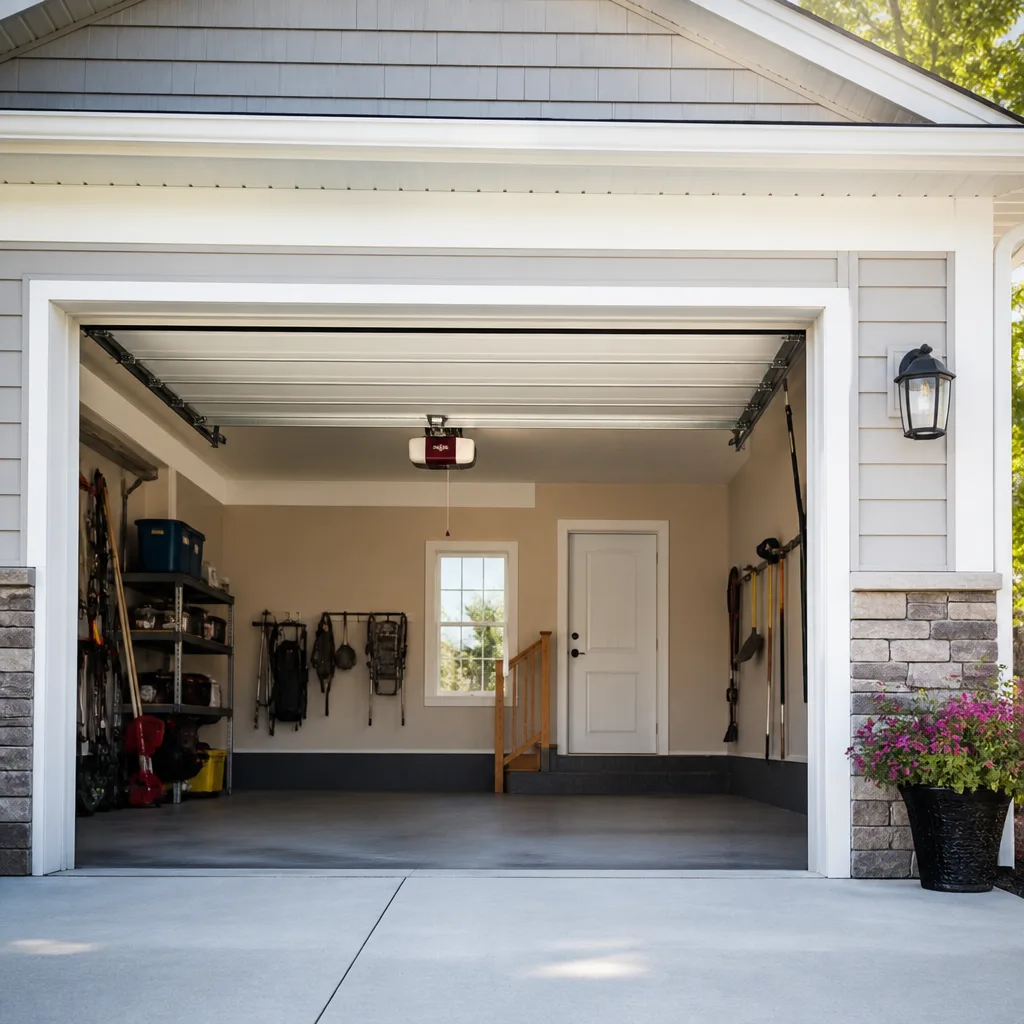 LiftMaster openers
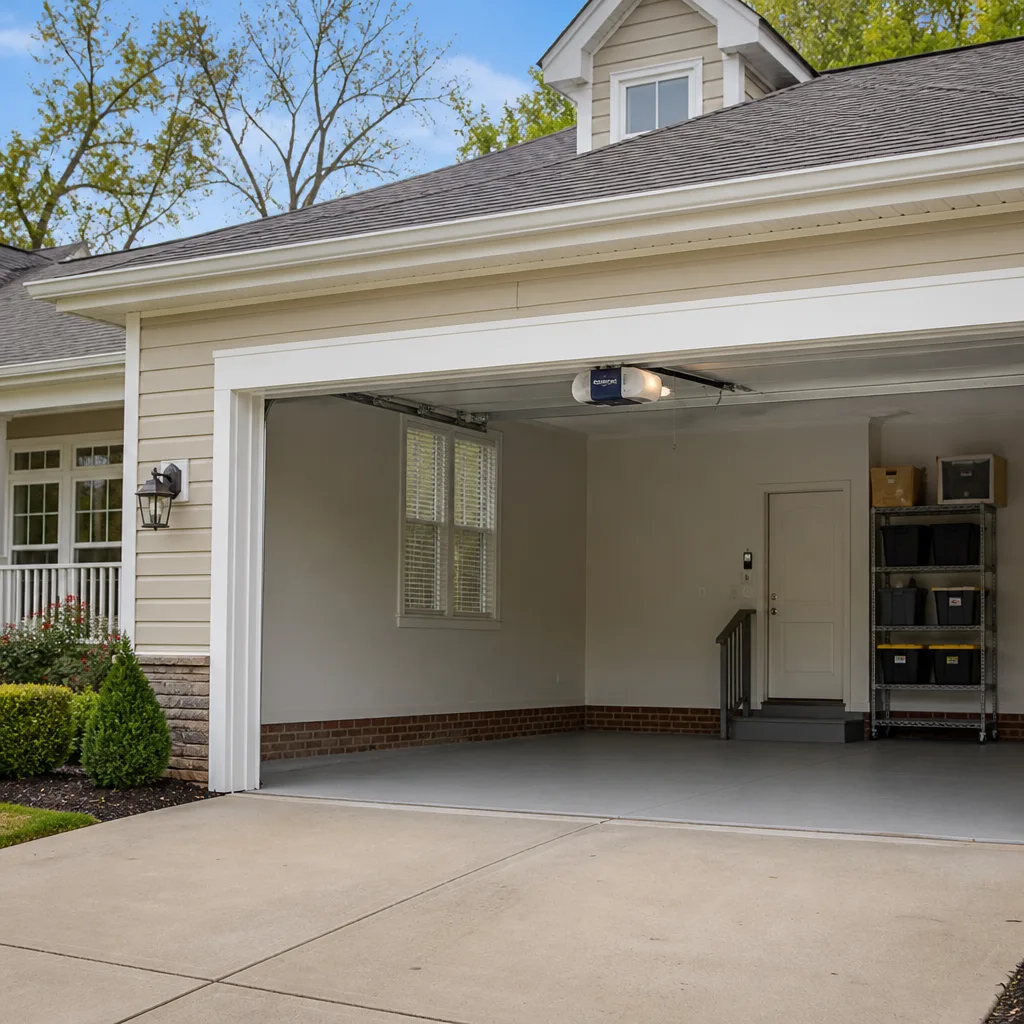 Chamberlain openers
Full 25-point door and opener safety check with every visit - springs, cables, rollers, tracks, and your LiftMaster or Chamberlain opener included
You get a price before we start. It does not change when the truck arrives.
Get your free estimateGarage Door Permits, Codes & Inspections in FL: What You Need to Know
A garage door replacement in Florida can trigger a cascade of requirements that most homeowners never see coming. A Sarasota homeowner who swapped out an aging wooden door for a modern steel model discovered this the hard way when a buyer’s inspector flagged the unpermitted work two years after the fact. The sale stalled for six weeks while the door was re-inspected and retroactively permitted. This guide walks you through exactly when a permit is required, what Florida Building Code Section 2019 says, how Sarasota County handles applications, what inspectors actually check, and why skipping the process can cost far more than the permit fee ever would. For Garage Door Repair Troubleshooting: Common Problems and How to Fix Them, see our dedicated resource.
Styles & brands we work with
Quick Answer
A garage door replacement in Florida requires a permit when the opening size changes, when structural alterations are made to the wall or header, or when the door is being installed in a high-velocity hurricane zone (HVHZ) with specific wind load requirements. Like-for-like replacements where the opening and structure remain unchanged may fall under the “ordinary repair” exemption, but many Florida municipalities, including Sarasota County, interpret this narrowly. Always verify with your local building department before starting work.
Table of Contents
- Florida Building Code Section 2019: What It Actually Says
- Sarasota County Permit Process: Fees, Timeframes, and Application Steps
- Wind Load Requirements: Why Hurricane Codes Change Everything
- What a Garage Door Inspection Actually Checks
- HOA Approval: The Parallel Approval You Forgot About
- Insurance and Resale: The Real Cost of Skipping a Permit
- Retroactive Permits: Fixing a Door Installed Without One
- Common Mistakes to Avoid
- When to Call a Professional
- Frequently Asked Questions
- The Bottom Line
Florida Building Code Section 2019: What It Actually Says
Florida Building Code (FBC) Section 2019 draws a line between “ordinary repair” and work that requires a permit. The distinction matters because the average homeowner assumes all garage door work falls into the repair category. It does not, at least not automatically.
In plain language, the code treats a garage door installation as a structural modification to an exterior wall opening. That means a permit is required when any of the following apply:
- The opening size changes. Widening or heightening the rough opening to accommodate a larger door means cutting into framing. That is structural work and always requires a permit.
- The header or supporting structure is altered. Replacing a rotting header beam or adding reinforcement for a heavier door falls under structural scope.
- The door is upgraded in a way that changes load calculations. Switching from a lightweight aluminum door to a heavy insulated steel door can alter wind pressure requirements on the wall system.
- You live in a high-velocity hurricane zone. Sarasota County sits within a wind-borne debris region, which means even direct replacements often trigger a permit review for product approval and fastening requirements.
What does not require a permit, generally speaking, is a true like-for-like swap. You replace a broken panel with an identical panel. You swap a damaged spring for an equivalent spring. You install a new opener on the same door using existing wiring. These are maintenance actions, not modifications.
The gray area is the full-door replacement. A homeowner might argue that swapping a 16×7 steel door for another 16×7 steel door is “like-for-like.” A Sarasota County inspector might disagree because the new door carries different wind load certification documents, different track gauges, and different attachment hardware than the original. The burden of proving the exemption falls on the homeowner, and inspectors have the authority to require a permit after the fact. We tell customers in Sarasota that if you are replacing the entire door assembly, plan on checking with the building department first. Review our Garage Door Warning Signs: A Sarasota Homeowner’s Reference Guide to spot issues early. It costs nothing to ask, and the answer protects you downstream.
Sarasota County Permit Process: Fees, Timeframes, and Application Steps
Sarasota County operates its own building department with specific procedures for garage door permits. The process is straightforward once you know what you are submitting, and most homeowners can handle the application themselves if the contractor is not already managing it.
Here is the step-by-step sequence we have observed across dozens of Sarasota County jobs:
- Confirm you need a permit. Call or visit the Sarasota County Building Department and describe the work. Ask specifically whether your replacement qualifies as “ordinary repair” under FBC 2019. Get the answer in writing if possible, even if it is just an email.
- Gather product approvals. Florida requires garage doors to carry a Notice of Acceptance (NOA) or a Florida Product Approval from Miami-Dade County. This document proves the door meets wind load standards for your zone. The manufacturer or installer can supply it. Doors without a valid Florida product approval will not pass inspection in Sarasota.
- Submit the permit application. Sarasota County accepts residential permit applications online through its permitting portal. You will need the property address, the contractor’s license number if one is involved, a door schedule listing size and product approval numbers, and basic site information.
- Pay the fee. Garage door permit fees in Sarasota County typically range from $100 to $300 depending on the scope and whether plan review is required. The county uses a fee schedule based on the valuation of the work. Plan review fees may apply for structural changes.
- Wait for review. Simple over-the-counter permits are often issued the same day or within a few business days. Permits requiring structural plan review can take one to three weeks. Wind load verification can extend this if the product approval documents are unclear.
- Schedule the inspection. Once the door is installed, call for a final inspection. Sarasota County requires the inspection to be scheduled within a specific window after work completion, typically within 10 days. A missed inspection window can trigger re-inspection fees.
The turnaround time in Sarasota County is reasonable for a simple door replacement. We have seen homeowners go from application to approved permit in under 48 hours when the paperwork is complete. The delays almost always come from incomplete product approvals or mismatched door schedules, not from county backlogs.
One detail that catches people off guard: the permit inspection is a life-safety review, not a quality review. The inspector is checking that the door meets code for wind resistance, electrical connection, and safe operation. They are not evaluating whether the door color matches your HOA palette or whether the installer used premium rollers. Those are separate concerns handled elsewhere.
Wind Load Requirements: Why Hurricane Codes Change Everything
Florida’s wind load requirements are the single biggest reason garage door permitting exists in the first place. A garage door is the largest structural opening in most homes, and when it fails during a hurricane, the pressure change can lift the roof off the house.
Sarasota County sits in a wind-borne debris region with a design wind speed requirement of 140 to 170 mph depending on the specific location and exposure category. That means the garage door must be tested and certified to withstand those pressures without buckling, separating from the track, or blowing inward.
The practical implications for a Sarasota homeowner are specific:
- Door selection matters. Not every garage door sold in the U.S. is certified for Florida’s wind zones. A door that is perfectly fine for a home in Ohio will not pass inspection in Sarasota. Products from manufacturers like Wayne Dalton and Raynor, for example, produce models specifically engineered and tested for the Florida market. You cannot assume a national brand automatically meets local code; you must verify the product approval applies to your wind speed zone.
- Hardware requirements change. A wind-rated door requires heavier-duty tracks, more reinforcement struts, stronger hinges, and a specific number and placement of fasteners. The count of fasteners per jamb matters. The gauge of the track matters. The installer cannot improvise these details.
- Openers are part of the system. Certain opener models from LiftMaster and similar manufacturers carry their own wind load compatibility ratings. The opener cannot be an afterthought bolted to a wind-rated door without checking compatibility.
What this means in practice is that a garage door permit in Sarasota County triggers a documentation review, not just a visual check. The inspector verifies that the installed door matches the approved product number listed on the permit. If the door on the truck does not match the permit paperwork, the job stops until it is corrected. We have helped homeowners in Sarasota who bought doors online only to find the Florida product approval missing, leaving them with a heavy door they could not legally install without additional engineering review. That is an expensive mistake to unwind.
What a Garage Door Inspection Actually Checks
If you have never been through a garage door inspection, it helps to know exactly what the inspector is looking at. The process takes 15 to 30 minutes and follows a predictable checklist.
Here is what a Sarasota County garage door inspector will examine during a final inspection:
- Product approval documentation. The inspector cross-references the product approval number on the door with the documents submitted with the permit. If the numbers do not match, the inspection fails immediately.
- Fastener pattern and count. Florida code specifies minimum fastener size, spacing, and embedment depth for garage door track attachments. The inspector checks that the installed fasteners match the approved schedule. This is the most common reason inspections fail on retrofit jobs where installers reuse old holes or use undersized screws.
- Reinforcement struts. Wind-rated doors require horizontal struts across the back of the door sections. The inspector confirms the struts are present and properly attached at the specified intervals.
- Track gauge and mounting. The vertical and horizontal tracks must meet the minimum gauge for the wind load zone and be securely anchored to the wall and ceiling structure. Loose or undersized track brackets are an automatic fail.
- Opener safety systems. If a new opener is part of the installation, the inspector tests the auto-reverse mechanism and checks that the photo-eye sensors are properly installed and functioning. The door must reverse when it encounters resistance.
- Manual operation. The inspector disengages the opener and operates the door manually. The door should lift smoothly, stay balanced at mid-height, and not slam shut when released.
None of these checks are designed to be punitive. They protect you from a door that fails during a storm, damages your home, or injures someone coming or going. Knowing what to expect removes the anxiety, and most homeowners find the inspection less intimidating than they anticipated.
HOA Approval: The Parallel Approval You Forgot About
Your HOA operates independently of Sarasota County code enforcement. A county permit does not satisfy HOA architectural review, and an HOA approval does not substitute for a county permit. They are parallel tracks, and both must be completed.
Many Sarasota neighborhoods with HOAs, particularly in planned communities and gated developments, maintain design guidelines covering garage door materials, colors, styles, and even the type of windows in the door panels. A homeowner who installs a door that violates HOA standards can be ordered to replace it, even if the county passed the installation with flying colors.
The sequence we recommend is simple:
- Check HOA architectural guidelines before you pick a door.
- Submit the HOA application with the specific door model, color, and product specifications.
- Wait for written HOA approval before ordering the door.
- Apply for the county permit after HOA approval is in hand, using the approved door specifications.
- Proceed with installation only after both approvals exist.
Skipping step one is how homeowners end up with a beautiful new door in a shade the HOA board considers unacceptable. The reversal cost is the full price of the door plus labor, and the HOA is not obligated to reimburse you for failing to read the guidelines.
Insurance and Resale: The Real Cost of Skipping a Permit
The permit fee is the smallest cost in the entire garage door replacement project. The real cost of skipping the permit shows up later, usually at the worst possible moment.
Insurance implications: Florida homeowners insurance policies typically require that structural modifications to the home comply with current building code. An unpermitted garage door installation violates that condition. If you file a claim for storm damage, water intrusion, or a vehicle impact involving the garage door, the adjuster can deny coverage on the basis of unpermitted work. Worse, an unpermitted, non-compliant door that fails during a hurricane can give the insurer grounds to deny coverage for all interior damage caused by the resulting pressure breach. The denial is not theoretical; Florida insurers review permit histories on wind-related claims as standard practice.
Resale implications: The Sarasota real estate market moves fast, but buyer’s inspectors are thorough. An unpermitted garage door shows up on the inspection report, and the seller must then either complete retroactive permitting before closing or offer a credit. Either path costs money and time. Some buyers walk away entirely. The Sarasota homeowner referenced at the top of this page spent six weeks resolving the permit issue while the buyer’s rate lock was expiring. That is leverage no seller wants to hand over.
Code enforcement risk: If the county discovers unpermitted work through a neighbor complaint or a follow-up property review, the homeowner receives a correction notice requiring permit retrofits and inspections. Failure to comply can result in fines and liens. This is the least likely path but the most disruptive when it happens.
The math is simple. A $200 permit avoids a potential insurance denial on a $40,000 storm claim, a $5,000 sales concession, or a $1,000 retroactive permit headache. No sensible homeowner accepts that trade.
Retroactive Permits: Fixing a Door Installed Without One
If you already have an unpermitted garage door on your Sarasota property, it is fixable. The process is called retroactive permitting, and it is more common than most people realize. Building departments handle these cases routinely, and the tone is professional rather than punitive.
Here is how retroactive permitting works in Sarasota County:
- Start with the building department. Call and explain the situation honestly. You inherited the door from a previous owner, or you were not aware a permit was required. The county staff will tell you what documentation is needed.
- Gather the product approval. You will need the Florida Notice of Acceptance or Miami-Dade Product Approval for the installed door. If you do not have the paperwork, note the manufacturer and model number from the door label and contact the manufacturer. If the door predates current documentation standards or lacks a Florida approval, you may need an engineer’s evaluation, which costs more and takes longer.
- Document the installation. The inspector will need to see the existing fasteners, track, struts, and opener. If the installation is not visible, some drywall removal may be required. Most garage installations leave the track and hardware exposed, so this is rarely a major issue.
- Submit the retroactive permit application. The process mirrors a standard application, but the scope is marked as “after-the-fact.” Fees are typically higher than a standard permit, and some counties add a penalty multiplier. Expect the cost to run 1.5 to 2 times the standard permit fee.
- Schedule the inspection. The inspector visits to confirm the door meets current code. If corrections are required, you will receive a written list. Make the corrections and call for a re-inspection.
The entire process usually takes two to four weeks. It is not fun, but it is resolvable, and the alternative of leaving the door unpermitted indefinitely carries ongoing risk with both insurance and resale.
Common Mistakes to Avoid
- Assuming “like-for-like” means no permit. You replaced a 16×7 steel door with what looks like an identical 16×7 steel door. Same size, same material, same color. But the new door has a different product approval number, a different wind load rating, and different track hardware than the original. A Sarasota County inspector views that as a new installation, not ordinary repair. Always verify the exemption before skipping the permit.
- Ordering a door online without a Florida product approval. National retailers sell doors that are not approved for use in wind-borne debris regions. The door arrives, the permit application is submitted, and the review comes back rejected because the product lacks Florida documentation. You now own a non-installable door and the return shipping is on you.
- Ignoring the HOA until after installation. The county approves the permit, the inspection passes, and then the HOA sends a violation notice because the door color violates the community palette. HOA rules bind you even when the county is satisfied. Read the design guidelines before you order anything.
- Using the old fastener holes. Installers without Florida experience will sometimes reuse the original lag bolt holes to save time. New code requires specific fastener sizes and embedment depths, and old holes rarely meet the standard. The inspector will fail the installation, and the fix requires patching and re-drilling.
- Choosing the wrong track gauge. A wind-rated door in Sarasota requires heavy-gauge track, not the standard residential track used in lower wind zones. Some installers default to the lighter track because it is cheaper and faster to hang. The inspector checks track gauge, and a mismatch means removing the track and starting over.
- Deferring the inspection. Sarasota County requires inspections within a set window after permit issuance. Let the window lapse and you pay a re-inspection fee on top of the original permit cost. Schedule the inspection when you schedule the installation, not after the job is done.
- Hiding unpermitted work from a buyer. You sell the house without disclosing the unpermitted door. The buyer’s inspector finds it, the buyer demands a retroactive permit or a price concession, and you have lost negotiating leverage. Sellers who resolve permits before listing keep control of the transaction.
When to Call a Professional
Some garage door projects are straightforward enough for a homeowner to manage with proper guidance. Others require a professional who understands Florida wind load documentation, Sarasota County permitting requirements, and the structural details inspectors look for during the final review. Call a specialist when the opening size changes, when structural alteration is involved, when you cannot locate the product approval for your existing door, or when the HOA application requires detailed technical specifications you do not have. A knowledgeable installer also catches issues before the inspection rather than after the failure notice arrives. Explore Garage Door Repair Maintenance Checklist for Sarasota Homeowners for routine upkeep tips. Copper Garage Door Repair offers free estimates in Sarasota and can walk you through the permit question before you commit to anything. Call (866) 282-4861 to talk through your situation.
We work on your brand, whatever it is. Our technicians are trained across eight major garage door and opener manufacturers, including Wayne Dalton, Raynor, Craftsman, and LiftMaster, so the diagnostic conversation is about your door, not about selling you a particular product line. The whole door system, not just the part that broke, gets evaluated before a recommendation is made. That full-system view matters in a wind load market like Sarasota, where track, fasteners, struts, and the door itself all have to work together under code.
If you need a deeper look at what goes into a proper repair, start with the Copper Garage Door Repair home page for an overview of our full-system approach. For specifics on the door itself, see Garage Door Repair in Sarasota. For opener-specific questions, including wind load compatibility, visit Garage Door Opener Repair in Sarasota. And if a replacement is in your future, Garage Door Installation in Sarasota covers what the process looks like from start to finish.
Frequently Asked Questions
In most Florida counties, including Sarasota, a full garage door replacement requires a permit because the door is a structural component subject to wind load requirements. True repairs like spring replacement or panel swaps on an identical door may qualify as ordinary repair and avoid the permit requirement, but full door replacements almost always need one. Call your local building department and describe the work before assuming you are exempt. For an exact assessment of your situation, call (866) 282-4861.
Garage door permit fees in Sarasota County typically run between $100 and $300 for a straightforward replacement, with higher fees if structural plan review is required. After-the-fact retroactive permits cost more, usually 1.5 to 2 times the standard fee. For a precise fee quote, contact Sarasota County’s building department with your project details.
The door remains on your property but is considered unpermitted work. That creates three risks: your homeowner’s insurance carrier can deny a related storm damage claim, a future buyer’s inspector will flag the door and complicate the sale, and the county can require a retroactive permit with penalties if the work is discovered. The retroactive process is fixable but costs more than doing it right the first time.
No. Sarasota County sits in a wind-borne debris region, which means the door must carry a Florida Notice of Acceptance or Miami-Dade Product Approval verifying wind load compliance for your specific zone. Doors sold in lower wind states often lack this documentation. Products from brands like Wayne Dalton and Raynor include Florida-approved models, but you must verify the specific product number, not just the brand name. Call (866) 282-4861 if you need help confirming a product approval.
The inspector verifies that the installed door matches the product approval on the permit, that fasteners meet the specified pattern and embedment depth, that reinforcement struts are present on wind-rated doors, that the track gauge is correct for the wind load zone, and that the opener safety systems function properly. The inspection focuses on life-safety and wind resistance compliance, not cosmetic quality.
If your community has a homeowners association, yes. HOA approval is a separate requirement from the county permit and has nothing to do with building code. Most HOAs in the Sarasota area regulate garage door style, material, and color through architectural guidelines. You need both approvals before installation. Call (866) 282-4861 for a free estimate, and we can help you pull the documentation your HOA application requires.
The Bottom Line
The garage door permit process in Florida is not bureaucratic friction. It exists because a garage door is a structural weak point in hurricane conditions, and an improperly installed or non-compliant door can destroy a home when it fails under wind pressure. Sarasota County’s process is manageable: verify the permit requirement, confirm the product approval, submit the application, install to code, and pass the inspection. The permit fee is trivial compared to the insurance claim denial, the stalled home sale, or the retroactive permit process that follows an unpermitted installation. Do it right the first time.
Written by the team at Copper Garage Door Repair, serving Sarasota since 2013.
See the difference
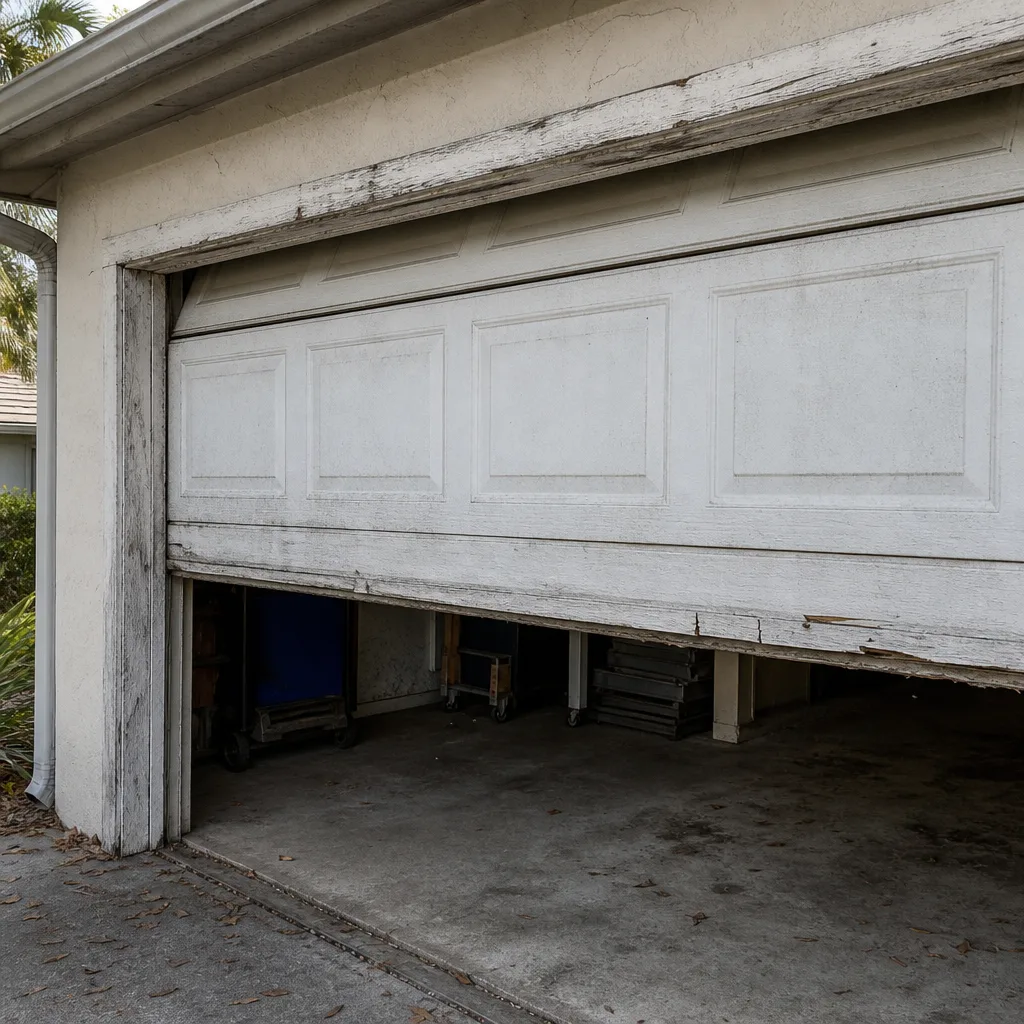 Before
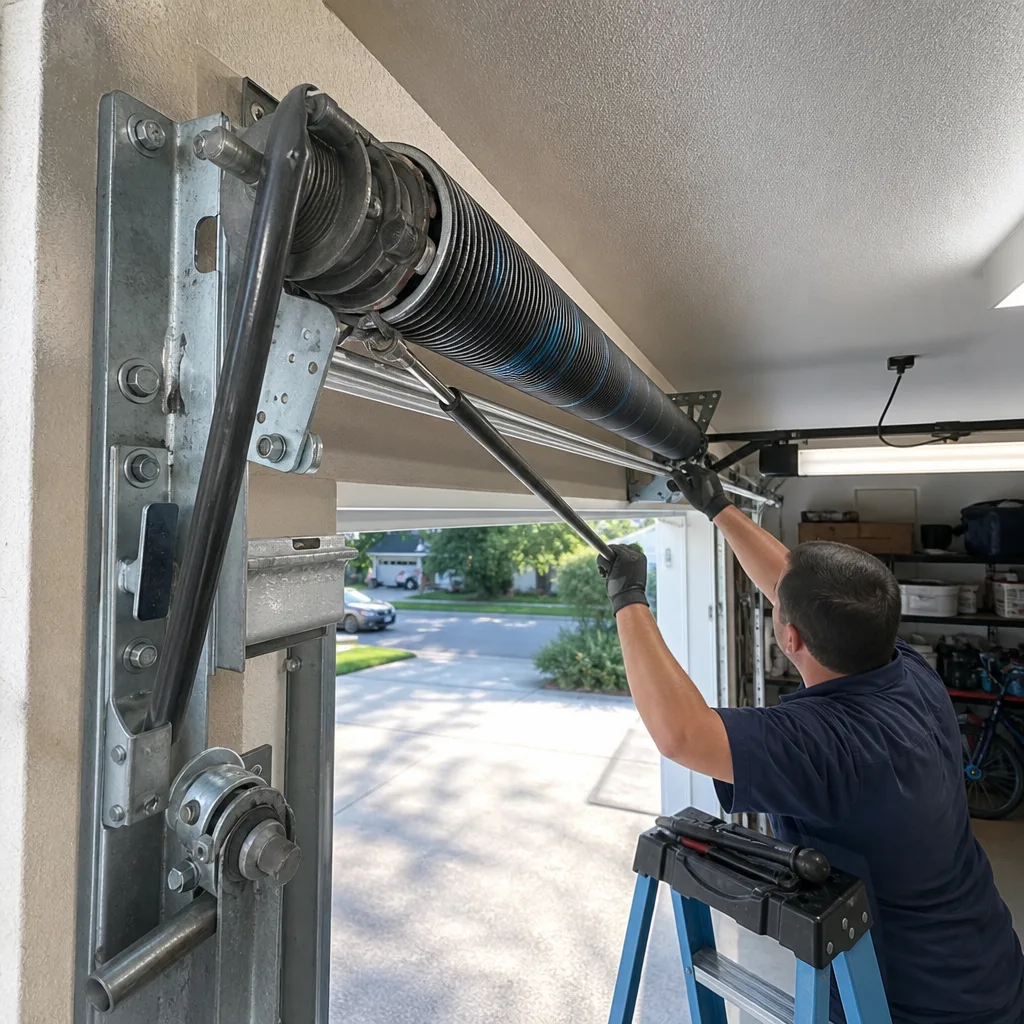 After
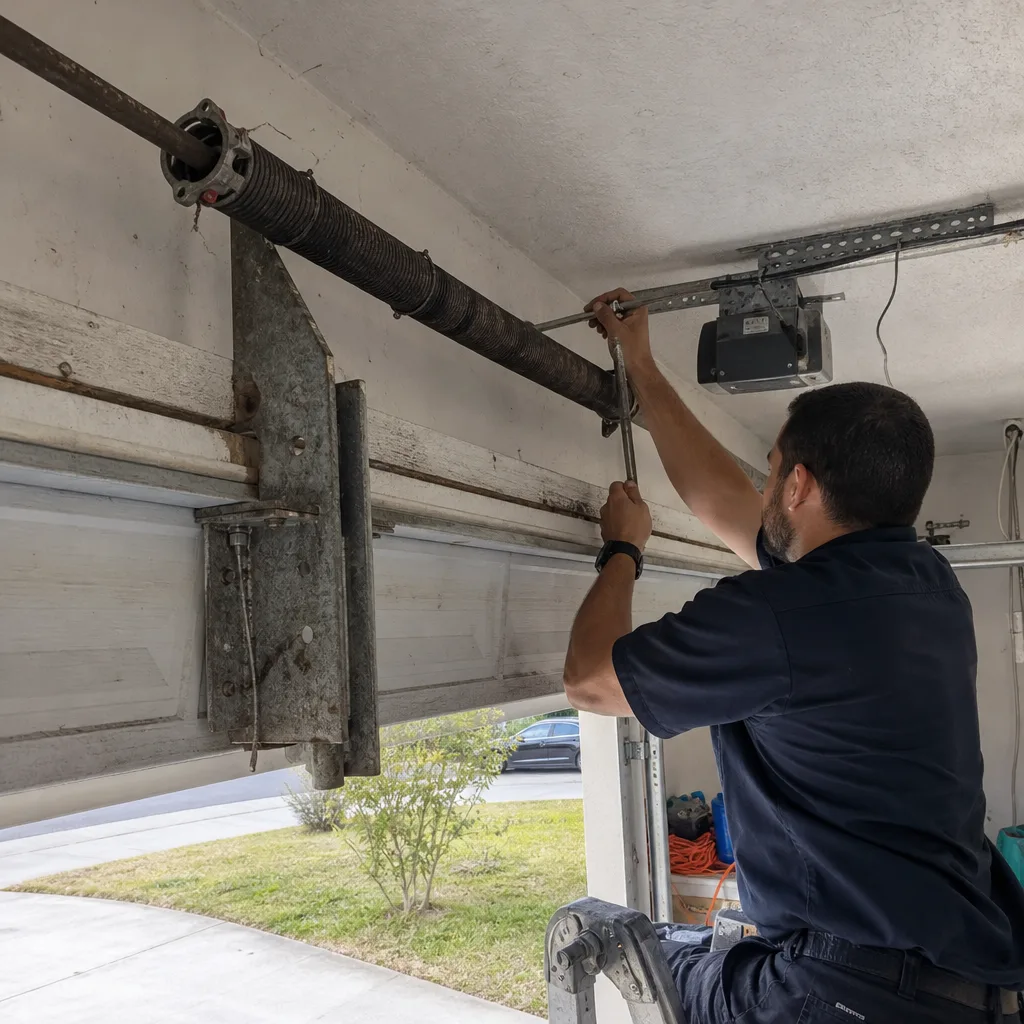 Before
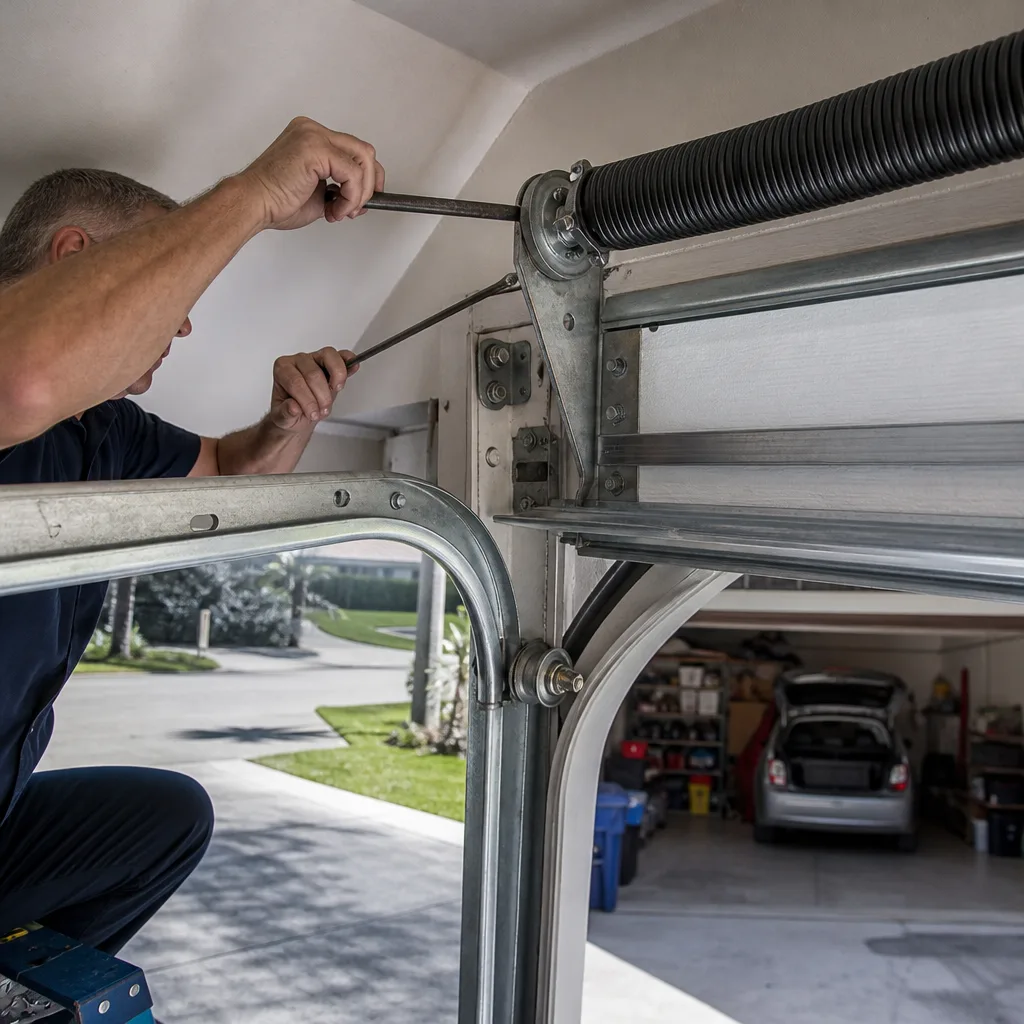 After
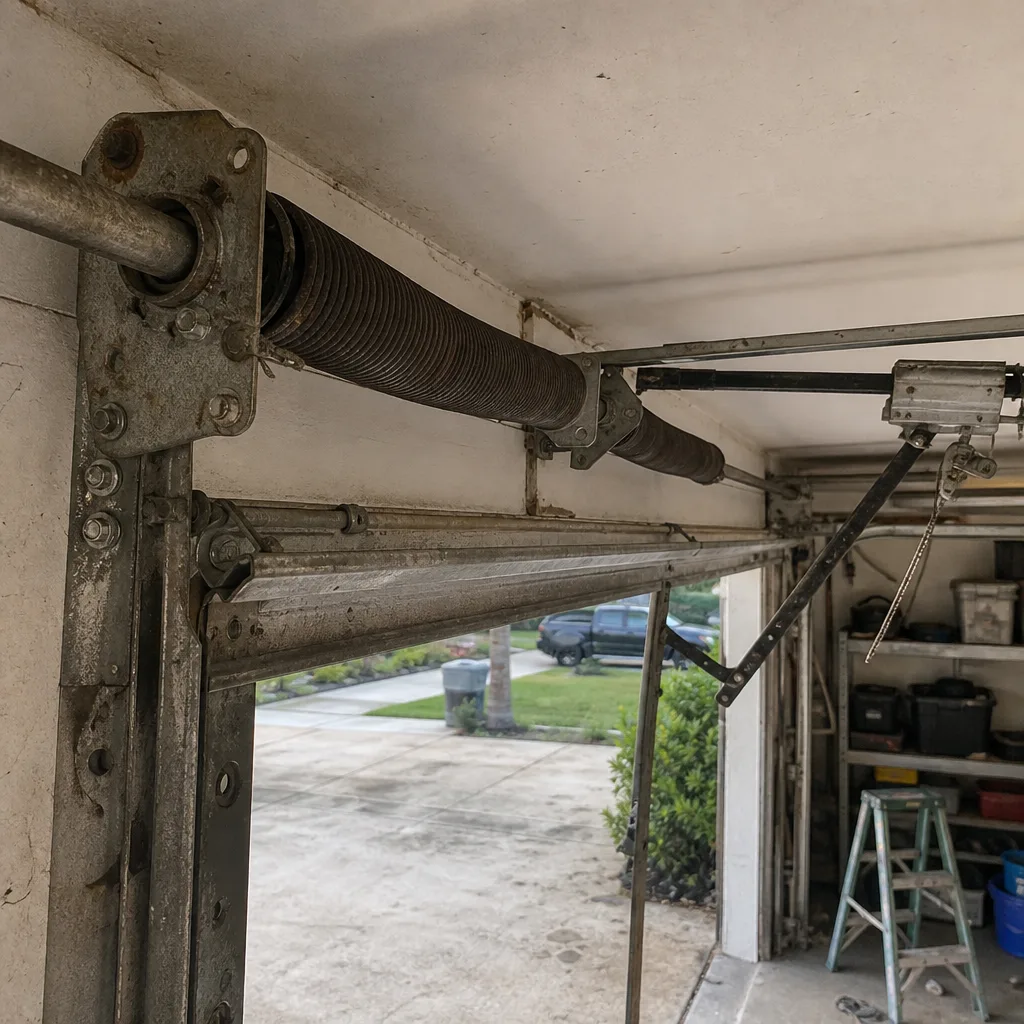 Before
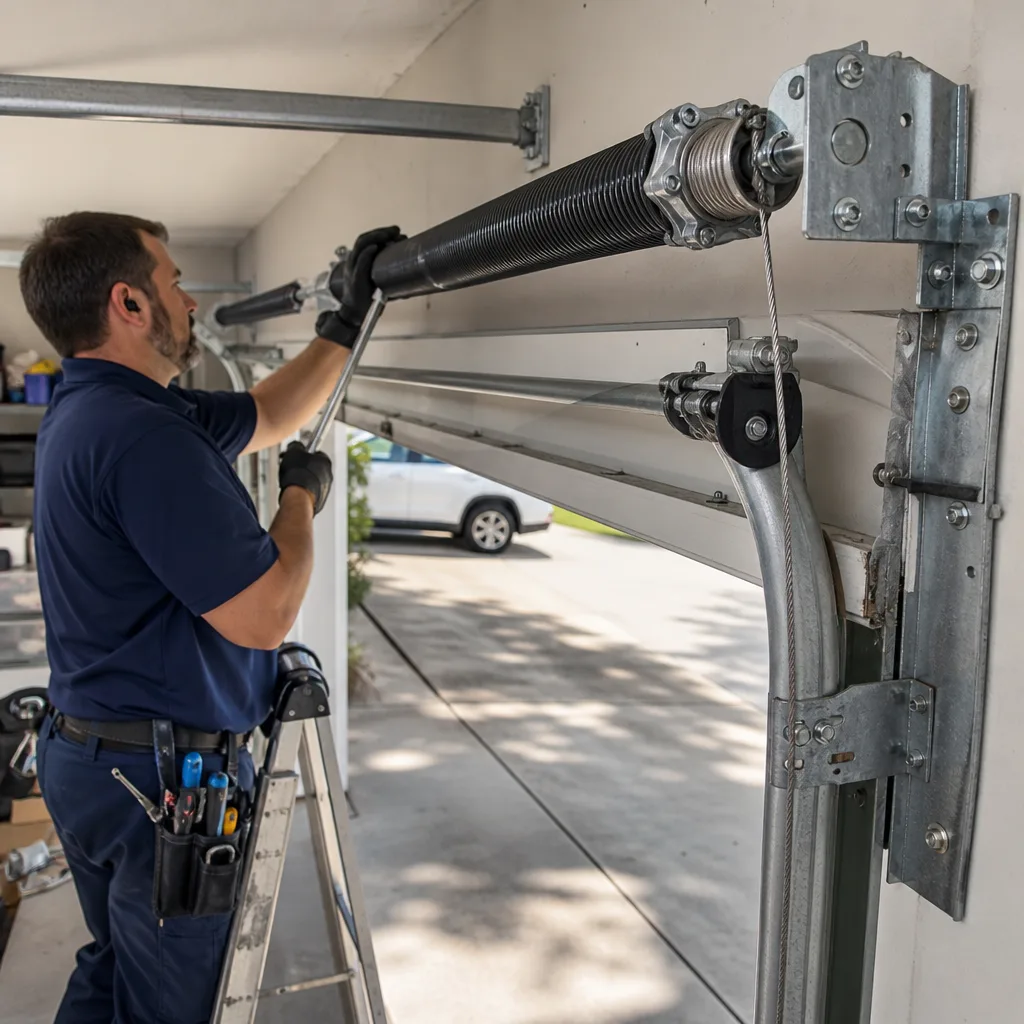 After