Last updated October 30, 2026
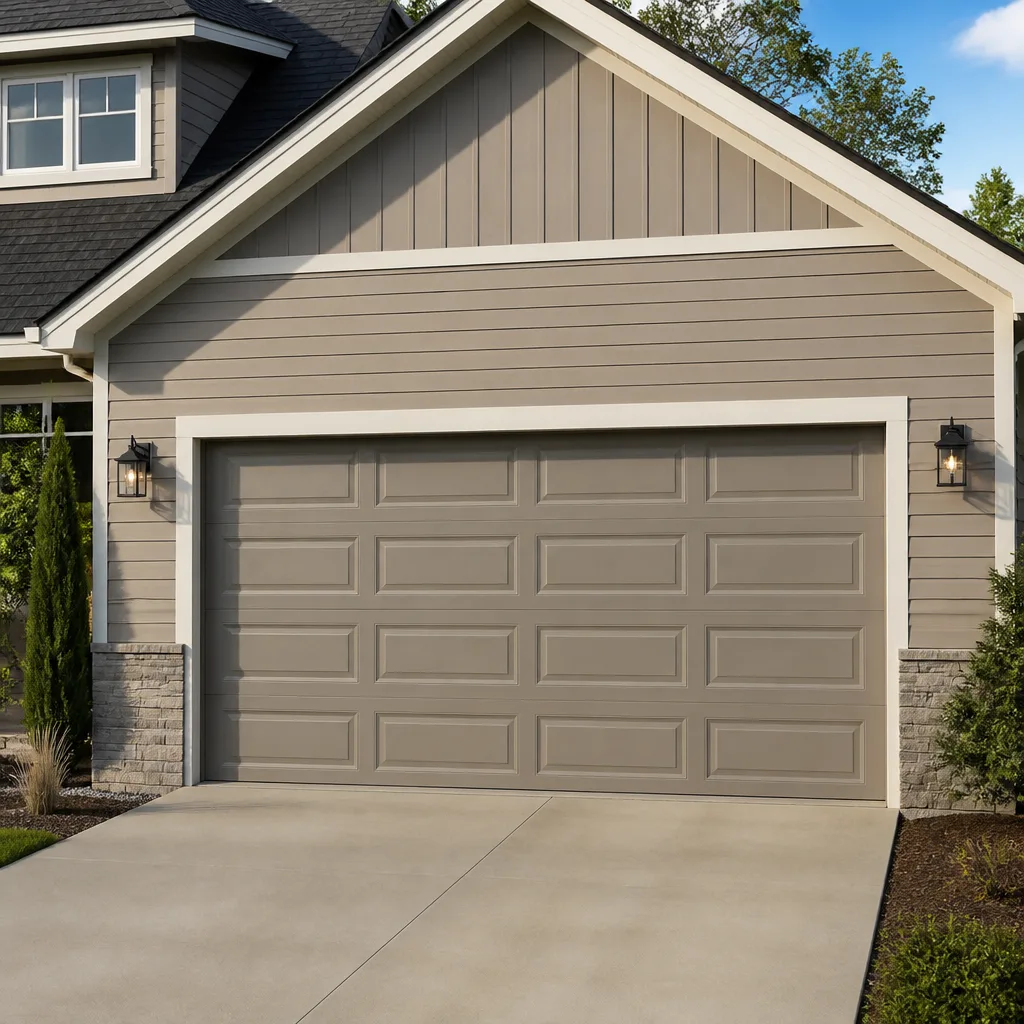 Raised-panel steel
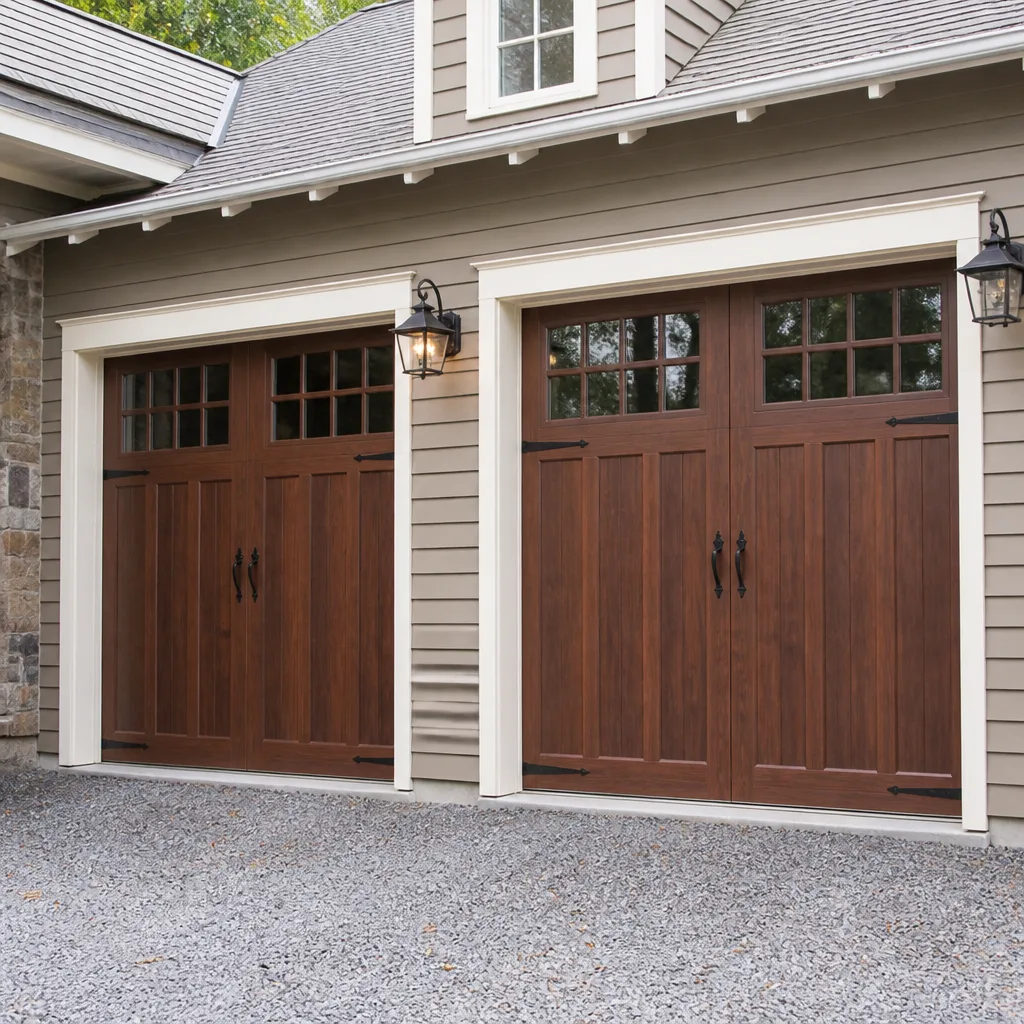 Carriage house
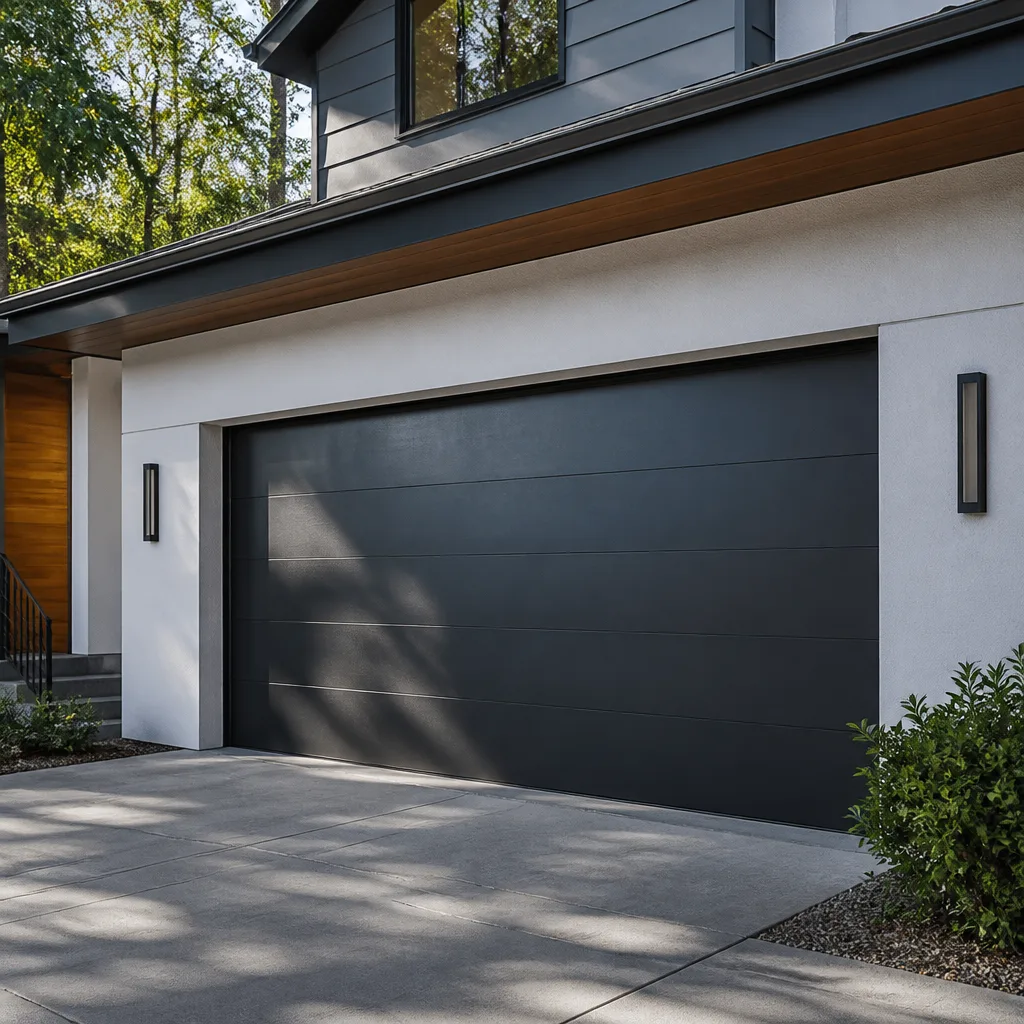 Modern flush
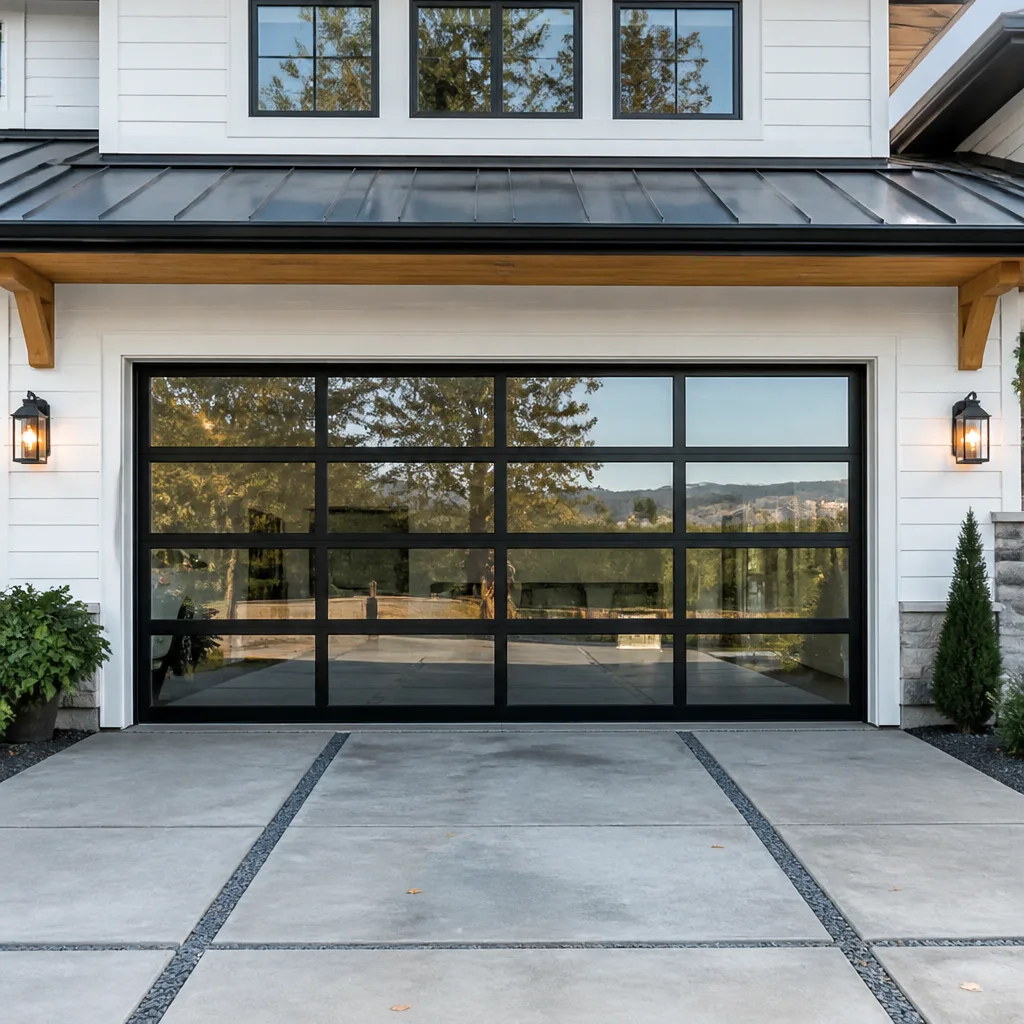 Full-view glass
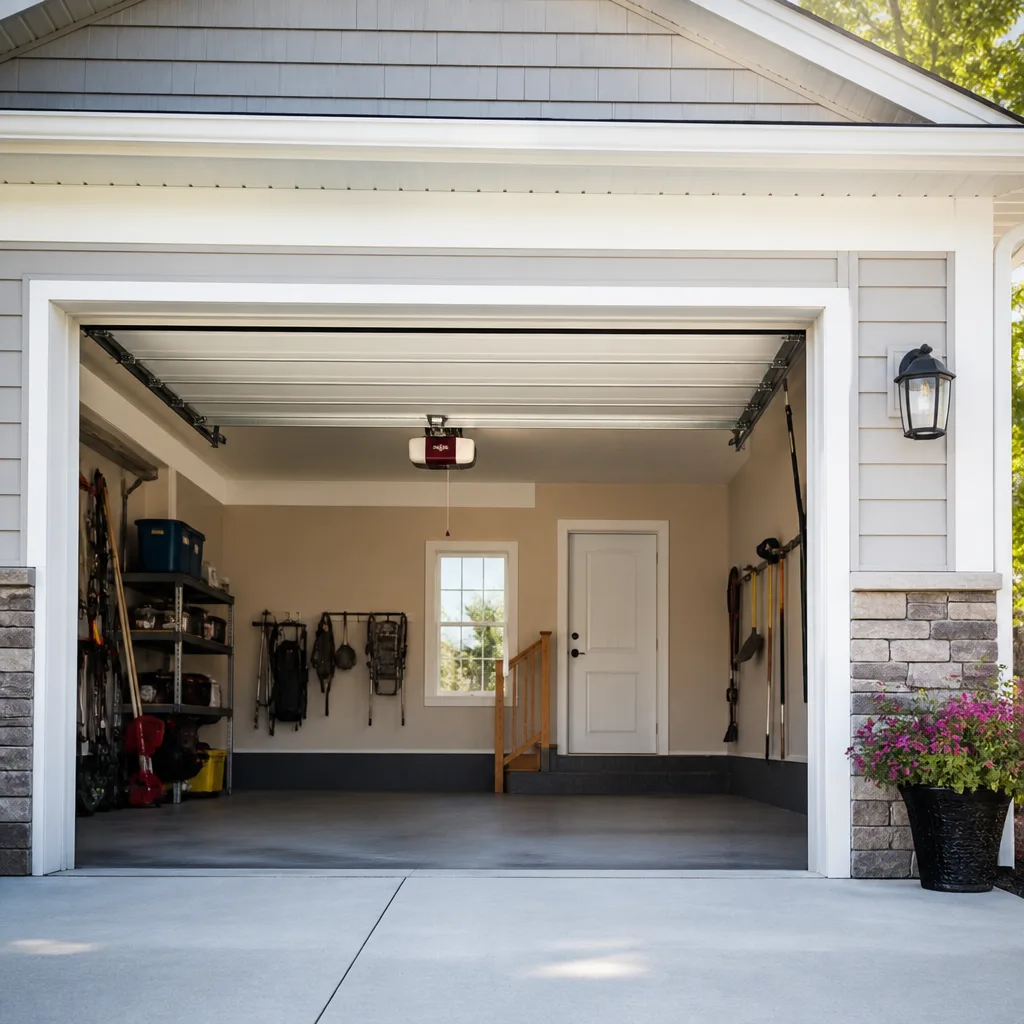 LiftMaster openers
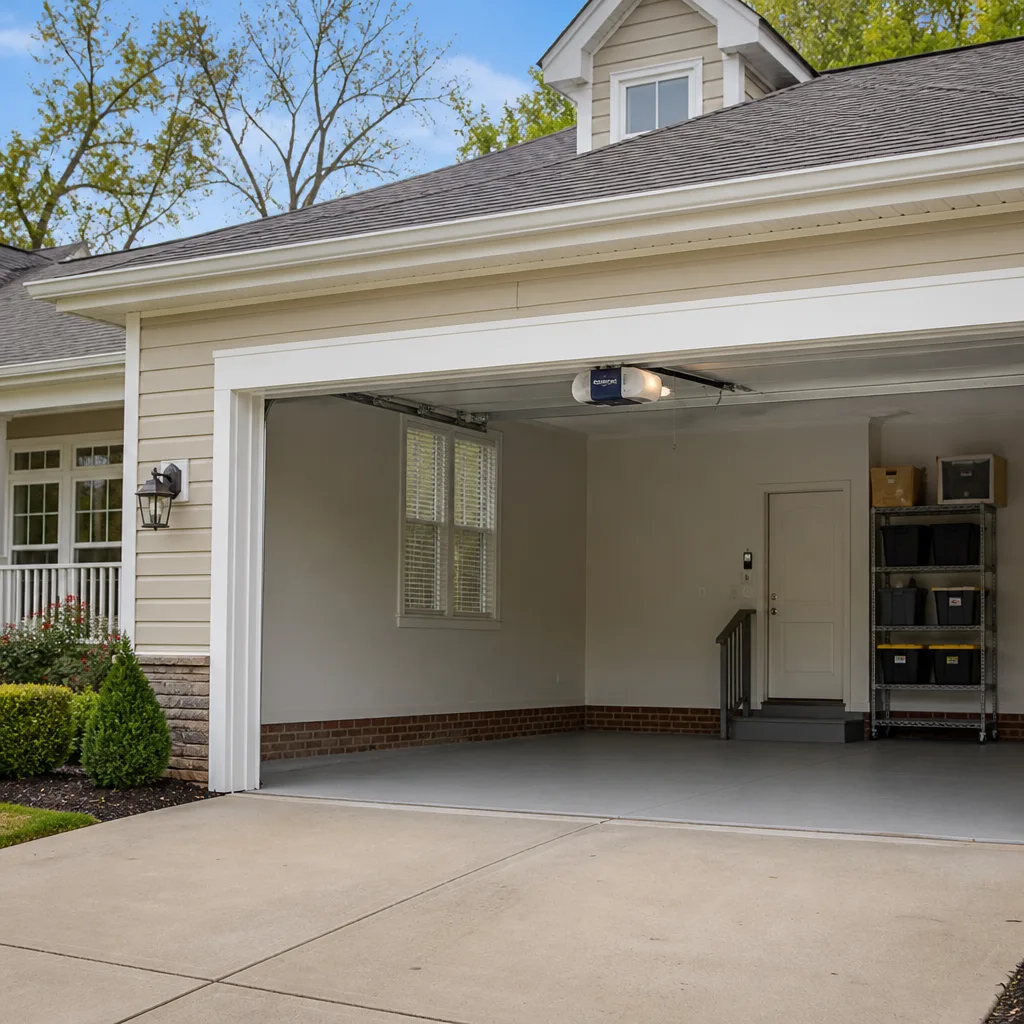 Chamberlain openers
Full 25-point door and opener safety check with every visit - springs, cables, rollers, tracks, and your LiftMaster or Chamberlain opener included
You get a price before we start. It does not change when the truck arrives.
Get your free estimateGarage Door Warning Signs: A Sarasota Homeowner’s Reference Guide
A garage door that hesitates for two seconds before opening isn’t being sluggish. It’s telling you exactly which component is failing, if you know how to read it. Most homeowners in Sarasota don’t, which is why a $90 roller replacement becomes a $600 track and cable job six months later. This guide walks through the most common warning signs we see on doors across neighborhoods like Palmer Ranch, Lakewood Ranch, and Gulf Gate, what each sign actually means mechanically, and which ones let you schedule a repair with a qualified contractor versus which ones mean stop using the door today. You’ll learn to read your door the way a technician does.
Quick Answer
The most common garage door warning signs in Sarasota are grinding or squealing noises during operation, a door that hesitates before moving, visible rust streaking on panels or hardware, a bottom seal that’s swollen or cracked from humidity, and opener sensors that trip for no apparent reason. Each of these maps to a specific mechanical issue: worn rollers, a failing capacitor or spring, moisture intrusion, or degraded wiring. Most warning-stage repairs run between $90 and $280, while full failures routinely exceed $600.
Styles & brands we work with
Table of Contents
- Noise Types and What They Actually Mean
- Movement Patterns That Signal Trouble
- Visual Symptoms: Rust, Gaps, and Sagging
- Sarasota-Specific Warning Signs
- Torsion vs. Extension Springs: Different Systems, Different Warnings
- Opener Warning Signs Before Total Failure
- Continue Using vs. Stop Immediately: A Decision Guide
Noise Types and What They Actually Mean
Garage doors are not silent machines. A certain amount of mechanical sound is normal, especially on older doors. But specific noise patterns are diagnostic signatures. In our experience working on doors across Sarasota, from Siesta Key to Bee Ridge, noise is the warning sign homeowners ignore longest because it builds gradually over years. A door that was quiet in 2019 and sounds like a cement mixer in 2026 didn’t change overnight. You just got used to it.
Squealing or shrieking during operation
A high-pitched squeal that follows the door as it moves almost always points to dry or worn rollers. Metal rollers running inside metal tracks need lubrication, but Sarasota’s salt air and humidity accelerate corrosion on roller bearings. Once a bearing starts seizing, the roller stops rolling and starts sliding, which causes that shriek. Nylon rollers are quieter but their bearings still fail. If the squeal is coming from the opener unit itself, not the door, that’s a gear or belt issue inside the motor housing.
On a scale of urgency: You can keep using the door, but schedule a repair within two to three weeks. A seized roller can score the track, and a scored track means replacing the track, not just the roller.
Grinding or metal-on-metal scraping
Grinding is a different animal. It means two metal surfaces are making contact that should never touch. In most cases, it’s the torsion tube rubbing against a bearing plate or a cable that’s jumped its pulley and is now scraping against the track. On doors with extension springs, grinding often means the spring itself is dragging along the horizontal track. This is not a lubrication problem. Lubricating a grinding door does nothing but make the grinding quieter for a day while the underlying wear continues.
Urgency: Stop using the door. Grinding indicates load-bearing parts are out of alignment. Every cycle adds damage and increases the chance of a cable snapping under tension.
Rattling or banging on the way up
A rattle that sounds like loose change in a dryer usually means the door sections are slapping against each other where the hinges have worn. Over time, hinge pins elongate their holes, and the door gets play it shouldn’t have. You can check this by wiggling individual panels from inside the garage, but we’ll be honest: a door with play in its hinges is also transferring that vibration to the rollers and tracks. It accelerates everything else.
Thumping at a specific point in the cycle
If you hear a thump at the same spot every time the door moves, you have a flat spot on a roller or a dent in the track at that exact point. Flat-spotted rollers happen when a door sits in the same position for months, which is common in seasonal Sarasota homes. Dent the track and the door will ride over that spot with a bump each time.
Popping sounds
A sharp pop, especially when the door starts moving or changes direction, is often a torsion spring shifting on its mounting. It can also be a cable popping onto or off a drum. Any pop that comes from the spring area means the spring system is no longer seated correctly. Do not attempt to inspect this yourself. Call a professional.
Movement Patterns That Signal Trouble
Noise gets the most attention, but it’s actually movement that’s the more reliable diagnostic tool. When a door changes how it moves, something specific is failing. These are the patterns we see most often on service calls in Sarasota.
The hesitation
A door that pauses for one to three seconds after you press the opener button, then lurches into motion, is showing classic capacitor failure. The capacitor is the opener’s energy reservoir, the thing that gives the motor its initial kick. Capacitors degrade with age and with heat, and Sarasota garages are heat traps. A failing capacitor means the opener is trying to start the door with insufficient voltage. Keep using it and you’ll eventually press the button and hear only a click. A capacitor replacement is a cheap repair compared to a new opener.
The slow creep
A door that used to take 12 seconds to open and now takes 20 is not just “getting old.” It’s under load. That load is almost always a spring that’s lost tension. Springs lose tension predictably as they age, especially in humid environments where microscopic surface corrosion creates friction points along the coil. A door with one working spring and one dead spring will open, but slowly, and the opener motor is working double duty. That’s how you burn out an opener in a year instead of fifteen.
The uneven lift
Watch the door as it opens. If one side rises before the other, or the door looks slightly diagonal while in motion, you have a cable problem on one side. On a torsion system, one cable may be slipping on its drum. On an extension system, one spring may have failed while the other still holds. Either way, the door is lifting almost entirely from one side, and that side’s hardware is absorbing load it was never designed to handle.
Dropping fast on the way down
A door that closes with enthusiasm, dropping the last foot like it’s in a hurry, has lost its counterbalance. The springs are supposed to hold most of the door’s weight. When they’re failing, gravity does the work and the opener is just along for the ride. This is the single most dangerous warning sign on this list. A door that drops fast can injure a person or pet and will eventually snap its own cables.
The hesitation at the bottom, then slam
When a door closes most of the way, pauses before contacting the ground, then slams the last two inches, it’s typically a limit-switch issue on the opener. The opener thinks the floor is two inches higher than it actually is. Adjusting the travel limit is a one-minute fix on most LiftMaster, Chamberlain, Genie, and Craftsman openers, but the underlying question is why the limit drifted. Heat causes electronics to drift, and a garage that routinely hits 110°F in a Sarasota summer will drift more than one that doesn’t.
Visual Symptoms: Rust, Gaps, and Sagging
Some warning signs don’t make noise or change the door’s movement. You see them when you pull into the driveway or walk through the garage. We recommend a thirty-second visual check once a month, which costs nothing and catches problems before they become service calls. For a full maintenance calendar, see our Seasonal Garage Door Care for Sarasota: Year-Round Homeowner’s Guide.
Rust streaking on panels
Brown-orange streaks running down from the panel seams or the hardware fasteners are rarely just cosmetic in Sarasota’s salt air. The rust is telling you moisture is getting somewhere it shouldn’t. On steel doors with factory finishes, rust streaking from seams means the panel coating has failed at the seam and water is wicking into the panel core. On hardware, rust means the zinc plating has worn through. Rusty bolts seize. A seized bolt turns a simple hinge replacement into a drilling job.
Rust on springs and cables
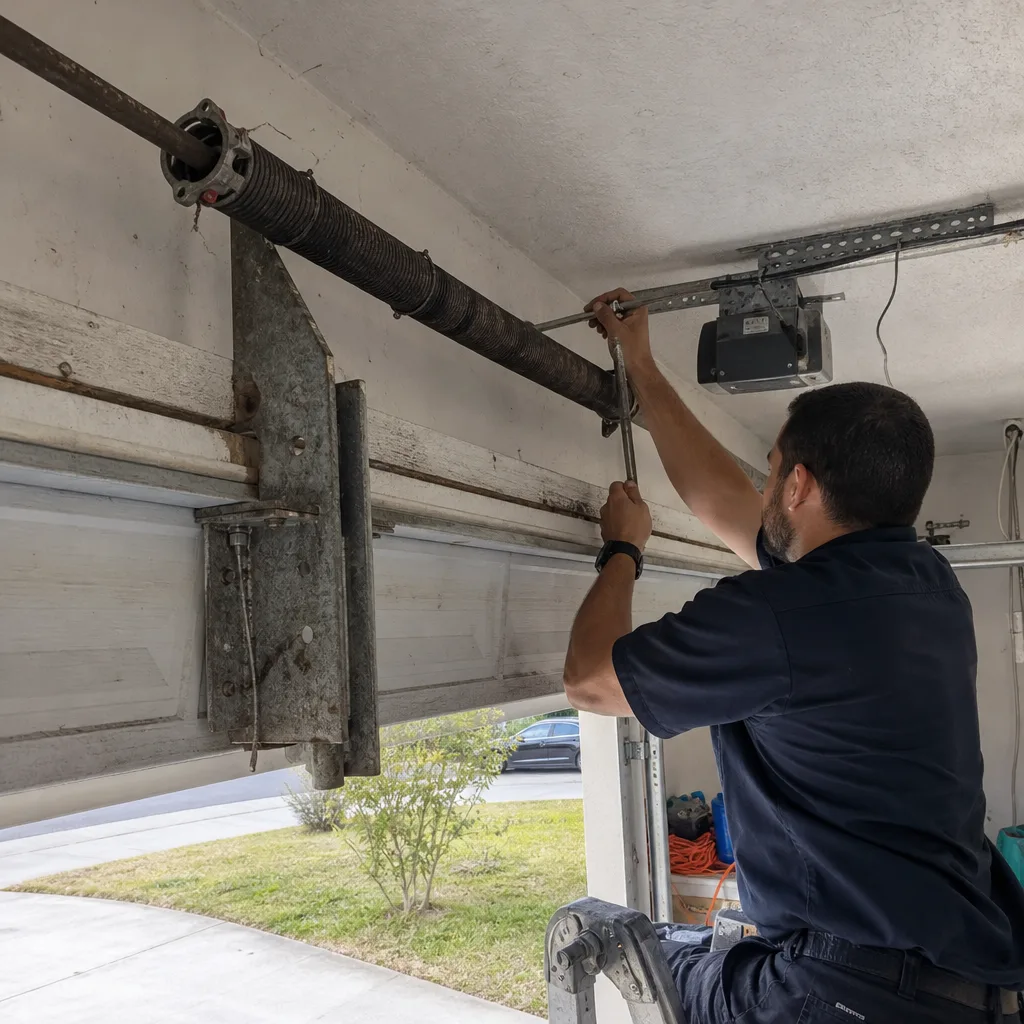
Rust on a torsion spring is a countdown. It creates friction points that concentrate stress, and concentrated stress is where springs snap. We’ve seen springs in Sarasota beach neighborhoods show surface rust within two years of installation. It doesn’t mean the spring fails tomorrow, but it does mean the service life is shortening. Cables are worse. A rusty cable is a fraying cable, and a fraying cable can snap without warning under several hundred pounds of tension. Do not touch, adjust, or attempt to clean a rusted spring or cable. Call a professional.
Gaps between door sections
Stand inside the garage with the door closed and look at the horizontal lines between panels. If you can see daylight through any of them, the hinges at that joint have worn. On an Amarr or Clopay sectional door, each hinge carries the weight of the panels below it. Worn hinge pins allow the sections to separate slightly at the joint, which lets in water, bugs, and hot air. In a Sarasota summer, that gap is also letting in humidity all day, every day.
Sagging when open
A door that sags noticeably in the middle when fully open, usually at the midpoint of its horizontal run, has either a spring outside its service life or uneven cable wear. Wayne Dalton and Raynor doors with hollow sections are more prone to this than solid-core models. Sagging also stresses the opener rail and trolley, and prolonged sag can bend the rail on budget openers.
Weatherstrip separating at the bottom
Peel back the rubber strip at the bottom edge of the door. If it’s pulling away from the retaining channel, or the rubber itself is cracked and brittle, it’s no longer sealing. This is the simplest fix on this entire guide and among the most commonly ignored in Sarasota, where the seal works against rain, humidity, and garage-invading geckos and palmetto bugs.
Sarasota-Specific Warning Signs
Every region has its fingerprint on garage doors. Sarasota’s is defined by three things: salt air, extreme humidity, and intense sun. Here’s what those do to doors and what to watch for.
Swollen or warped bottom seals
This one is almost exclusive to humid climates. The rubber bottom seal absorbs moisture over years, swells subtly, and then fails to seat evenly against the concrete. You’ll see a gap on one end that wasn’t there before. In neighborhoods like Fruitville or Osprey, where afternoon storms are a daily summer event, a failed bottom seal means water intrusion every single storm. The seal itself is inexpensive. The water damage to whatever’s stored in the garage is not.
Opener sensor misfires after storms
Sarasota’s afternoon thunderstorms create a humidity spike that condenses on the photo-eye sensors at the bottom of the door tracks. That moisture scatters the infrared beam and the opener reads it as an obstruction, so the door reverses mid-close or refuses to close at all. If this happens only after storms and resolves in a few hours, your sensors are probably fine; the humidity is the culprit. If it happens all the time, you may have a sensor alignment issue, a wiring problem, or a sensor on its way out. Either way, it’s a diagnostic visit, not a reason to replace the opener.
Salt-air acceleration on coastal properties
Homes within a few miles of the water, whether on Siesta Key, Bird Key, or along the bayfront, experience dramatically faster corrosion on all exposed metal parts. Springs, cables, hinges, and track brackets that would last fifteen years inland may show meaningful rust at year seven. Coastal Sarasota homeowners should increase the frequency of visual checks and expect shorter service intervals on moving metal parts. This isn’t a defect; it’s the environment.
Sun damage on west-facing doors
A door that faces west gets blasted by afternoon sun. The finish fades, yes, but the more important effect is heat. Panel cores absorb that heat and transfer it to the door’s interior structure. Over years, this accelerates wear on hinges, weakens adhesives in sandwiched panels, and makes the door more prone to warping. We see this on doors in Palmer Ranch and anywhere without afternoon shade. If your door faces west, plan on hinge inspections more often than east-facing neighbors.
Mold or mildew at panel joints
Black or green staining at the seams between panels isn’t just ugly. It means moisture is wicking into the panel edges, which means the factory edge seal has failed. On an Amarr or Clopay door with a foam insulation core, that moisture is saturating the insulation at the edges first and working inward. The stain is the visible symptom of a panel slowly losing its structural integrity and its insulation value.
These Sarasota conditions are exactly why a generalist garage door repair approach doesn’t always hold up. We service doors from Amarr, Clopay, Wayne Dalton, and Raynor, plus openers from LiftMaster, Chamberlain, Genie, and Craftsman, because the failure pattern in this climate is predictable across brands when you’ve seen enough doors. If you’re weighing options, our Choosing the Right Garage Door Brand: A Buyer’s Guide for Sarasota breaks down what holds up best locally. The warning signs above appear on every major brand sold in this market. The variable is how long the door has been exposed.
Torsion vs. Extension Springs: Different Systems, Different Warnings
One of the most valuable distinctions a homeowner can learn is the difference between the two spring systems and their separate failure patterns. Warning signs do not translate across systems. A sound that’s benign on one can be dangerous on the other. Most garage doors in Sarasota built since the early 2000s use torsion springs. Older homes, especially in established neighborhoods like Southgate and Whitfield Estates, often still run extension systems.
Torsion spring warning signs
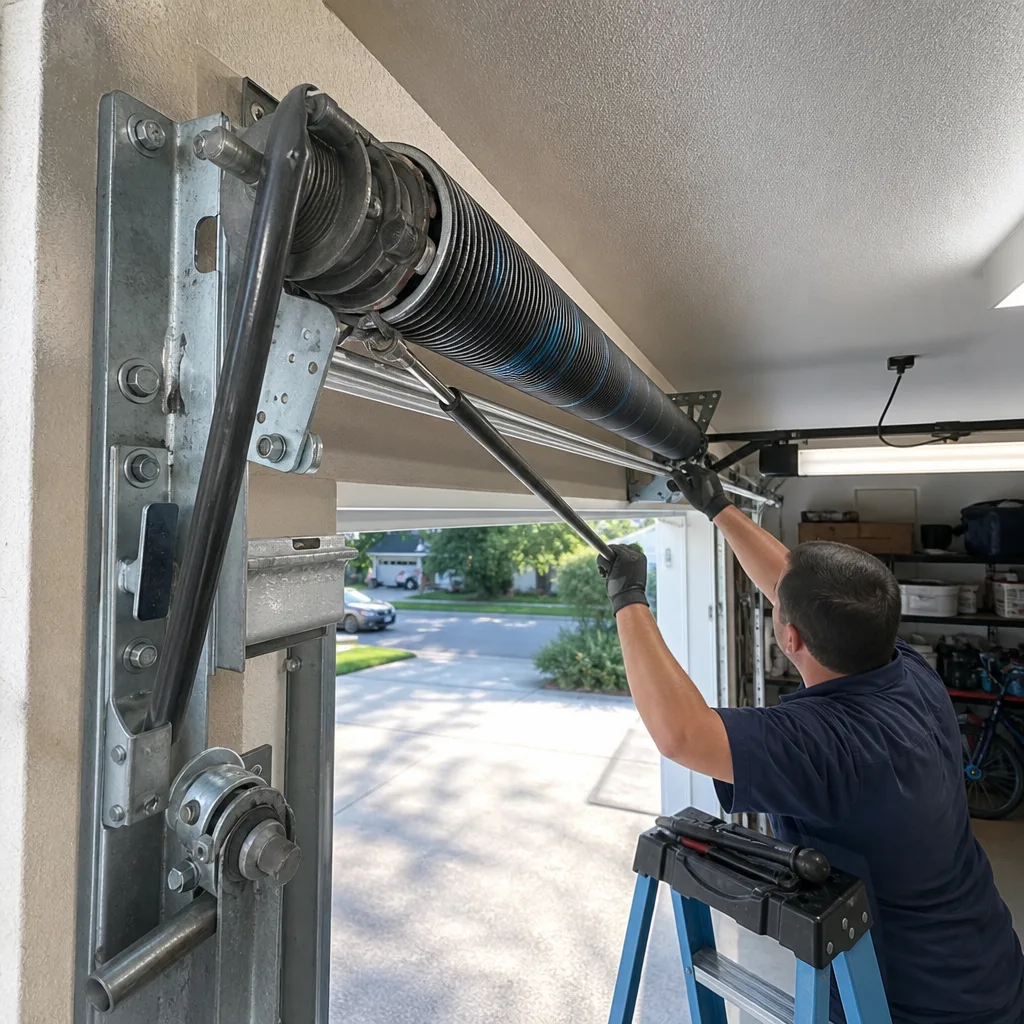
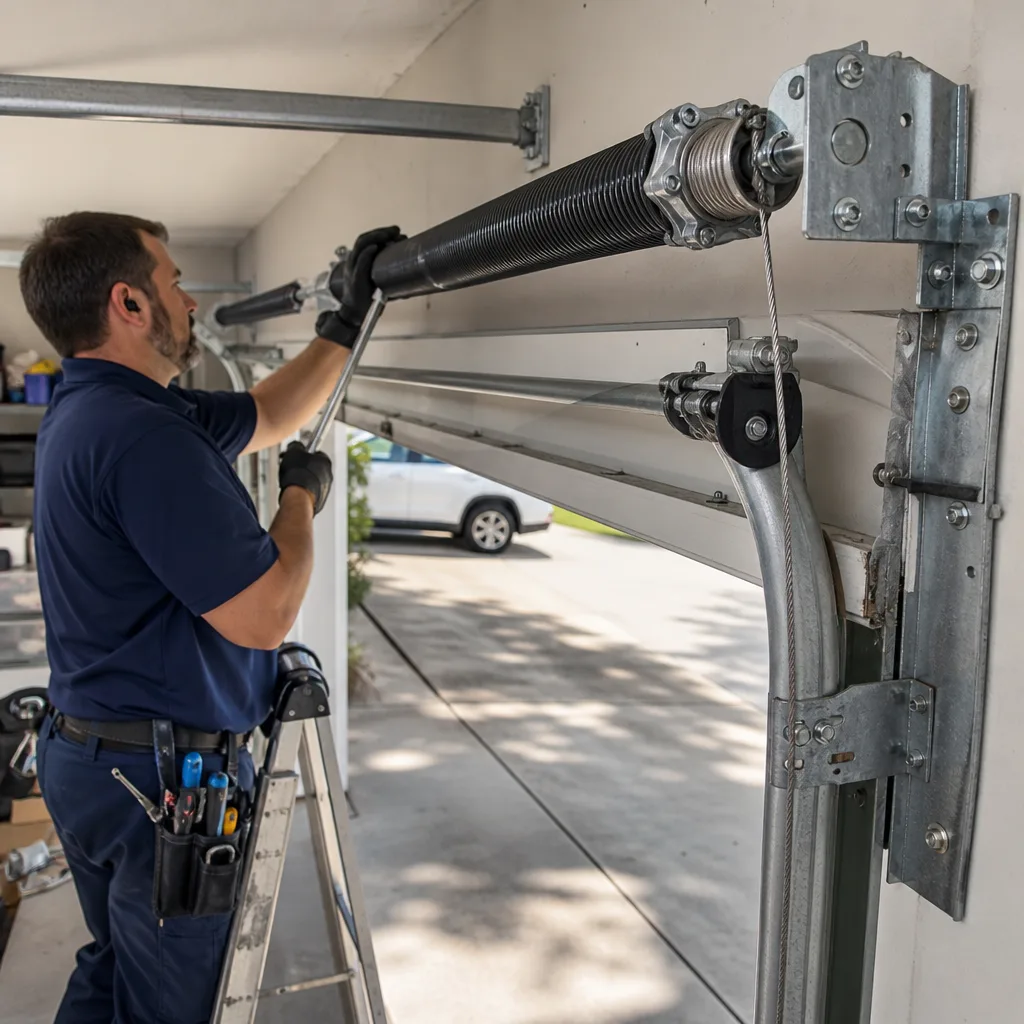
Torsion springs mount horizontally above the door opening, wound on a shaft. They’re under tremendous tension at all times, even when the door is closed. Torsion systems wear quietly. The warning signs are often subtle:
- Visible gap in the spring coil means the spring has snapped or deformed. A torsion spring that breaks typically makes a loud bang. If you weren’t home when it happened, the gap in the coil is the evidence.
- Door feels heavier than it used to when you pull the emergency release. A properly balanced door should feel almost weightless at the halfway point. If it feels heavy, the spring has lost tension.
- Spring appears to have an uneven coil spacing. Sections of the coil spread wider than others indicate internal stress and approach fatigue.
- Rust accumulation on the coil surface, especially at the ends near the winding cones, where springs most often snap.
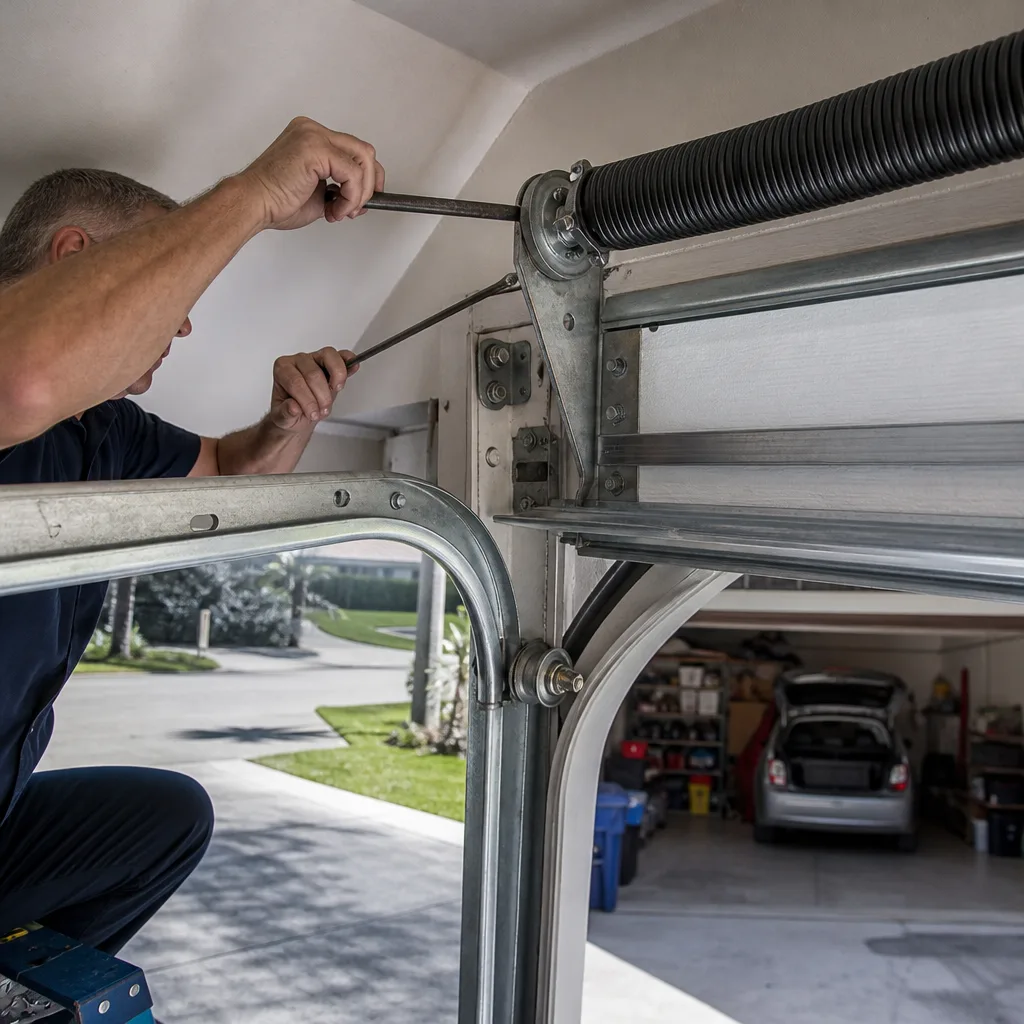
Do not attempt to adjust, replace, or even closely inspect a torsion spring under tension. The stored energy in a wound torsion spring can cause serious injury. This is the single most dangerous component on the entire door system. Even experienced contractors respect it.
Extension spring warning signs
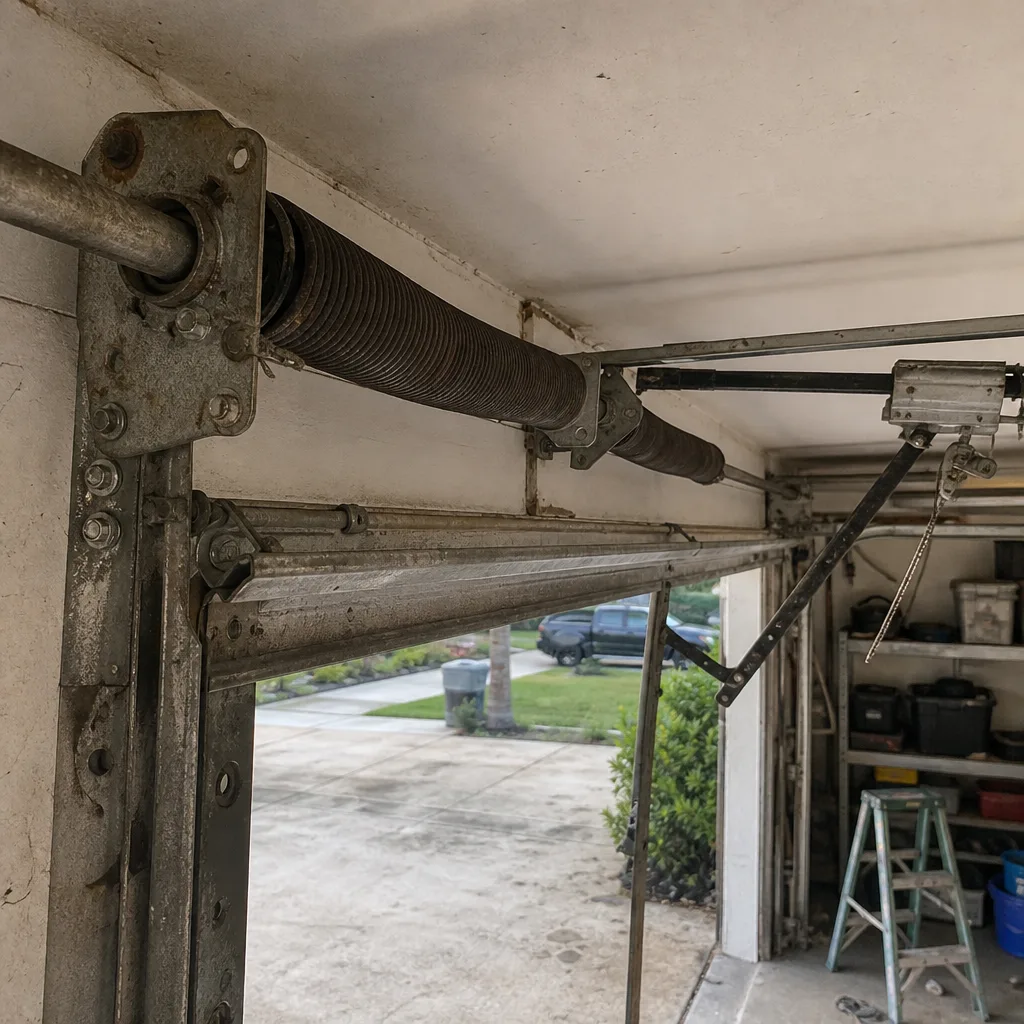
Extension springs run along the horizontal tracks on either side of the door and stretch as the door closes. They’re equally dangerous when stretched, but their warning signs are visually different:
- A spring that’s visibly stretched unevenly, with some coils spread wider apart than others, is nearing failure.
- One side of the door hanging lower than the other when closed. On extension systems, each spring works independently, so one can fail while the other still holds partial tension.
- The spring sagging when the door is open. A healthy extension spring stays relatively straight under tension. A spring that bows or sags has lost its temper.
- Safety cable visible but slack. In areas of Sarasota with older homes that predate modern safety cable requirements, a slack or missing safety cable is exactly when an extension spring failure becomes dangerous. The safety cable is what contains the spring if it snaps under load.
On either system, the rule is the same: if the warning sign involves spring tension or cable load, do not DIY it. A professional with the right tools and training can safely release, replace, and re-tension. For everything else on this list, the window to fix it cheaply is usually weeks, not months.
Opener Warning Signs Before Total Failure
The opener is a motor, a gearbox, a logic board, and a drive system in one housing. It works harder in Sarasota’s heat than it would anywhere cooler, and it telegraphs its own failures in recognizable patterns. We service Garage Door Opener Repairs in Sarasota for every brand installed in this market, and the failure modes are consistent across all of them. For more guides & resources on keeping your system running, visit our blog.
Reversing mid-cycle for no reason
If the door closes halfway, reverses, and opens again with no apparent obstruction, you’re experiencing one of three things: a misaligned photo-eye sensor, a travel limit that’s out of calibration, or a force-sensitivity setting that’s too jumpy for the door’s current weight. The first two are adjustments. The third is a symptom of a door that’s getting heavier as its springs weaken, and the opener’s safety system is responding to the increased load. Fix the springs first, not the setting.
Opener runs but door doesn’t move
You press the button, you hear the motor whirring, and nothing happens. On a chain or belt drive, this means the drive gear inside the opener has stripped. On a screw drive, it means the screw or the traveler has worn out. This is the classic end-of-life failure, and it’s usually preceded by months of grinding or chattering from the motor housing. Catch it early and a gear replacement is cheap. Ignore it and you’re replacing the opener.
Remote range shrinking
A remote that used to open the door from the end of the street and now only works from the driveway has an antenna issue, an interference source, or a dying receiver module. In Sarasota, LED bulbs in the opener housing are a common interference culprit, as are certain solar panel inverters installed on neighboring homes. Rule out the LED bulb first; it’s a ninety-second test.
The light flickers when the opener runs
Flickering when the motor is under load is a power delivery symptom. On some models it’s a warning of capacitor trouble; on others it’s the bulb, not the opener. But if the flicker coincides with slow movement or hesitation, that’s a capacitor issue and it will worsen.
Opener runs for two seconds and stops
This one is often misdiagnosed. The motor starts, kicks, and shuts off. Some homeowners assume the motor is dead. More often, the opener’s thermal overload is tripping because the door is too heavy for it to move, which means the springs have failed or are failing. On a LiftMaster or Chamberlain, this presents as a rapid clicking sound. On a Genie or Craftsman, the motor just stops. The opener isn’t the primary problem; it’s the messenger.
Continue Using vs. Stop Immediately: A Decision Guide
Not every warning sign requires the same urgency. Here’s a simple decision framework we share with homeowners across Sarasota, from Rosemary District condos to single-family homes off Cattlemen Road.
You can continue using the door while scheduling a repair:
- Squealing rollers. Annoying, but not structural. Two to three weeks of normal use is fine.
- Slow operation with no other symptoms. The opener is working harder, but the door will function while you schedule a spring inspection.
- Visual rust on panels or hinges. Cosmetic-stage rust won’t fail tomorrow. Treat it within a month.
- Bottom seal gaps. Water might get in, but the door remains safe to operate.
- Remote range issues or sensor misfires. Functionally inconvenient, not dangerous.
- Light hesitation at startup (one second or less). Early capacitor wear. Schedule within two weeks.
Stop using the door immediately:
- Grinding metal-on-metal noise. Load-bearing parts are misaligned. Every cycle adds damage.
- Door dropping fast on the way down. Counterbalance failure. The door’s full weight is uncontrolled.
- Loud bang followed by the door not opening. A spring snapped. Do not attempt to lift the door manually past a few inches.
- Visible cable fraying or a cable hanging loose. The cable is under hundreds of pounds of tension and can whip if it releases.
- Door moving unevenly, with one side clearly lower. Cable or spring failure on one side. Don’t run another cycle.
- Any popping sound from the spring area. Something in the spring system shifted. That system needs to be inspected before another cycle.
If you’re unsure which category your door falls into, the safer choice is always to err toward stopping. A service call costs less than a door falling off its tracks. When you schedule a garage door repair in Sarasota, the technician can assess which category you’re in and tell you honestly whether continued use is safe.
Common Mistakes to Avoid
- Lubricating a grinding door. Grinding is metal-on-metal contact from misalignment or failed bearings. Silicone spray does not fix it, and it makes the sound quieter while the damage continues. Fix the mechanical issue, then lubricate.
- Replacing the opener when the door is heavy. If your opener burns out and the door feels heavy when released from the trolley, the root cause is probably the springs, not the opener. Put a new opener on a door with bad springs and you’ll be replacing it again.
- Ignoring rust because “it’s just cosmetic.” In Sarasota’s salt air, rust on moving parts is never just cosmetic. On springs and cables it’s structural. On hinges and rollers it’s the start of accelerated wear.
- Adjusting the force settings to compensate for a heavy door. Some openers allow you to crank up the force so it pushes through the extra load. That’s overriding a safety system to mask a spring problem. Don’t do it.
- Doing DIY work on springs or cables. YouTube makes everything look doable, but torsion springs carry enough stored energy to cause serious injury. This isn’t a skill-gatekeeping thing; it’s a physics thing. Hire someone who does this every day.
- Waiting until the door fails completely to diagnose it. The whole point of this guide is that doors warn you for months before they fail. A $90 roller replacement beats a $600 track replacement. The warning signs are the discount coupon.
See the difference
 Before
 After
 Before
 After
 Before
 After
When to Call a Professional
Call a professional if you observe any stop-use warning sign, if your door makes a noise you can’t identify, if the springs or cables show rust or fraying, or if you’re simply not sure whether a symptom is serious. A diagnostic visit costs a fraction of what a catastrophic failure costs, and a good technician will tell you what’s wrong, what it costs to fix, and whether it can wait. Copper Garage Door Repair offers free estimates in Sarasota. We work on the full door system, not just the part that broke, across all eight major brands we service. Call (866) 282-4861 and we’ll tell you exactly what’s wrong and why.
Beyond repairs, we also handle garage door installation in Sarasota and full-system replacement when a door has reached the end of its serviceable life. Same team, same diagnostic transparency, whether you need a roller or a new door.
Frequently Asked Questions
Squealing during operation is the most common warning sign we see in Sarasota, usually caused by worn or dry rollers. Coastal homes also show accelerated rust on springs and cables compared to inland homes, and bottom seal failures are nearly universal on doors more than five years old in this humidity. Catch the squeal early and it’s a cheap roller replacement. Wait and you’ll often be paying for track work too.
Most warning-stage repairs in Sarasota run between $90 and $280. Roller replacement typically runs $90 to $180, hinge replacement $100 to $200, bottom seal replacement $80 to $150, and capacitor replacement $90 to $180. Spring replacement runs higher, typically $250 to $400 depending on the system and spring count. Full failure repairs, like damaged tracks or snapped cables that took hardware with them, routinely exceed $600. Call (866) 282-4861 for an exact quote on your specific door, estimates are free.
Emergency appointments are available for doors that will not open or are displaying any stop-use warning sign. Same-day dispatch depends on the schedule, but we prioritize dangerous failures, which means a snapped spring or a door off its tracks gets first priority. The fastest way to find out is to call (866) 282-4861.
No. The price is quoted and agreed before any work starts. Some doors have multiple failing parts that aren’t apparent until inspection, but you’ll see a written price for everything before we turn a wrench. Nothing gets added to the invoice that wasn’t discussed first.
In most cases, yes. Because we service LiftMaster, Chamberlain, Genie, Clopay, Amarr, Wayne Dalton, Craftsman, and Raynor, our trucks are stocked with the most common rollers, hinges, springs, capacitors, and seals for all eight brands. That’s the practical reason we invested in multi-brand training: no second call needed. If a special-order part is required, we’ll tell you upfront and schedule the return visit while you’re standing there.
If your door is a Clopay, Amarr, Wayne Dalton, or Raynor, or your opener is a LiftMaster, Chamberlain, Genie, or Craftsman, yes. We service all eight brands as certified technicians, which means the diagnostic conversation starts with what’s actually wrong, not with which ecosystem we’d prefer to sell you. If your brand is outside that list, call and ask. We’ll tell you honestly whether we can help or point you in the right direction.
The Bottom Line
Your garage door warns you for months before it fails. The squeal, the hesitation, the rust streak, the sag, the door that drops a little too fast: each one is a specific symptom with a specific cause and a specific price tag, and that price tag is always lower when you act on the warning instead of the failure. In Sarasota’s heat, humidity, and salt air, those warnings arrive faster and harder than in drier climates. Learn to read them, and you’ll replace a $90 roller instead of a $600 track, a capacitor instead of an opener, a seal instead of a water-damaged floor. If you’re ever unsure what your door is telling you, call (866) 282-4861. We’ll tell you exactly what’s wrong and why, and we’ll fix it built to last. Start with the Copper Garage Door Repair home page to see everything we handle, or jump straight to garage door opener repair in Sarasota if the noise is coming from the motor.
Written by the team at Copper Garage Door Repair, serving Sarasota since 2013.