
Last updated October 30, 2026
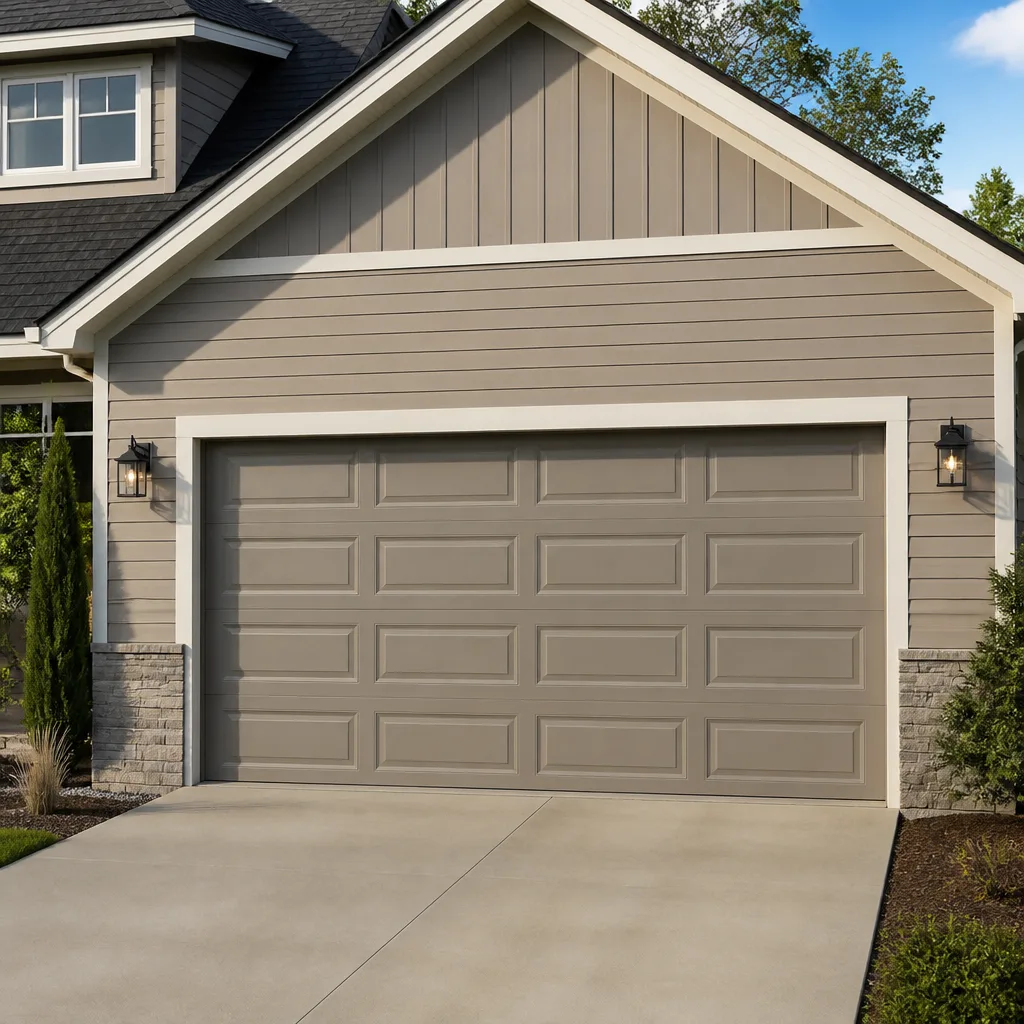 Raised-panel steel
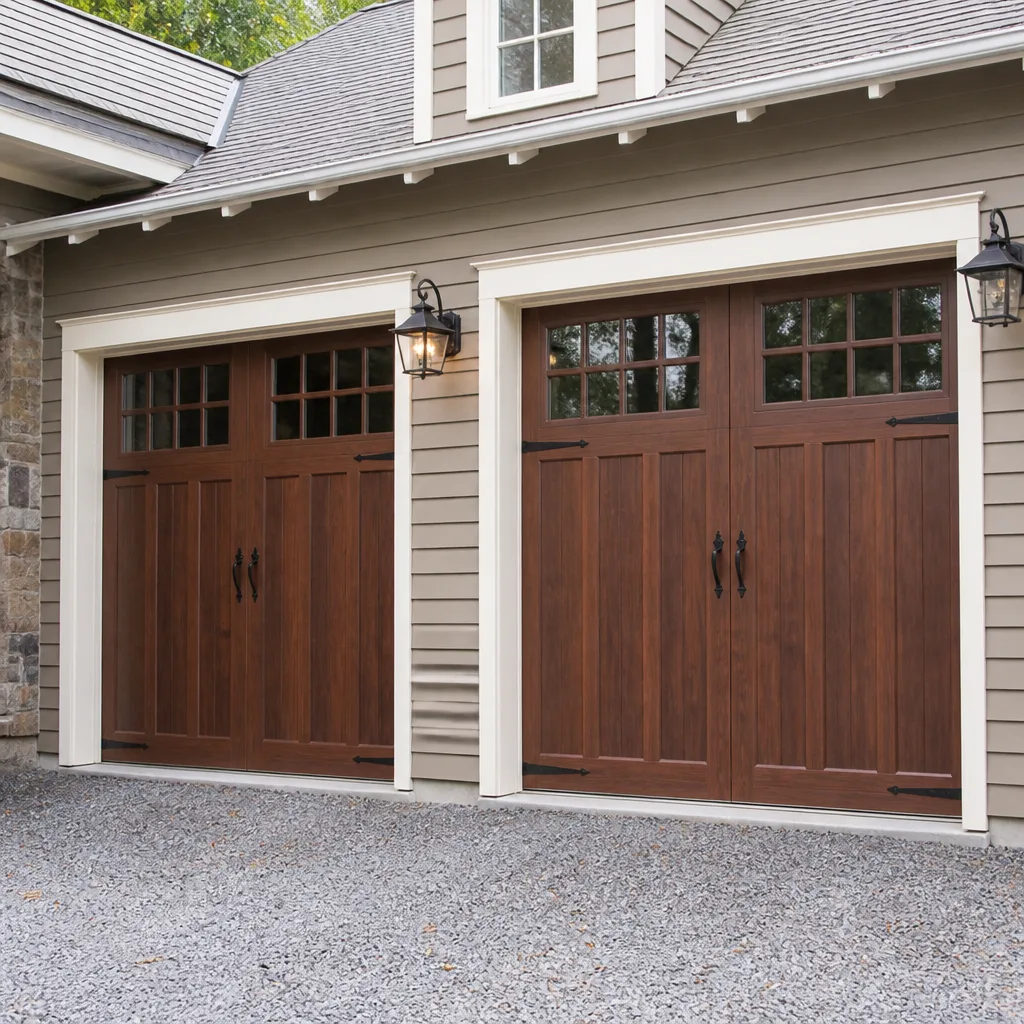 Carriage house
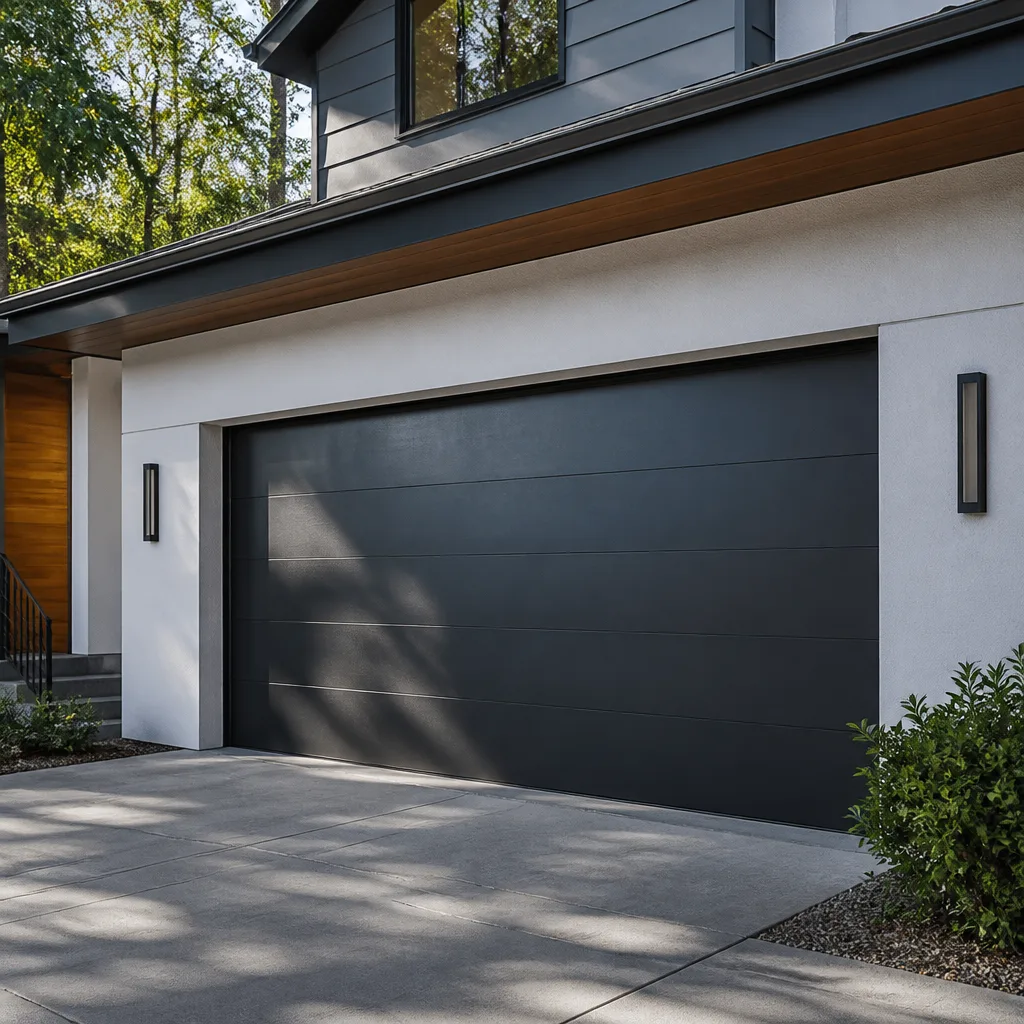 Modern flush
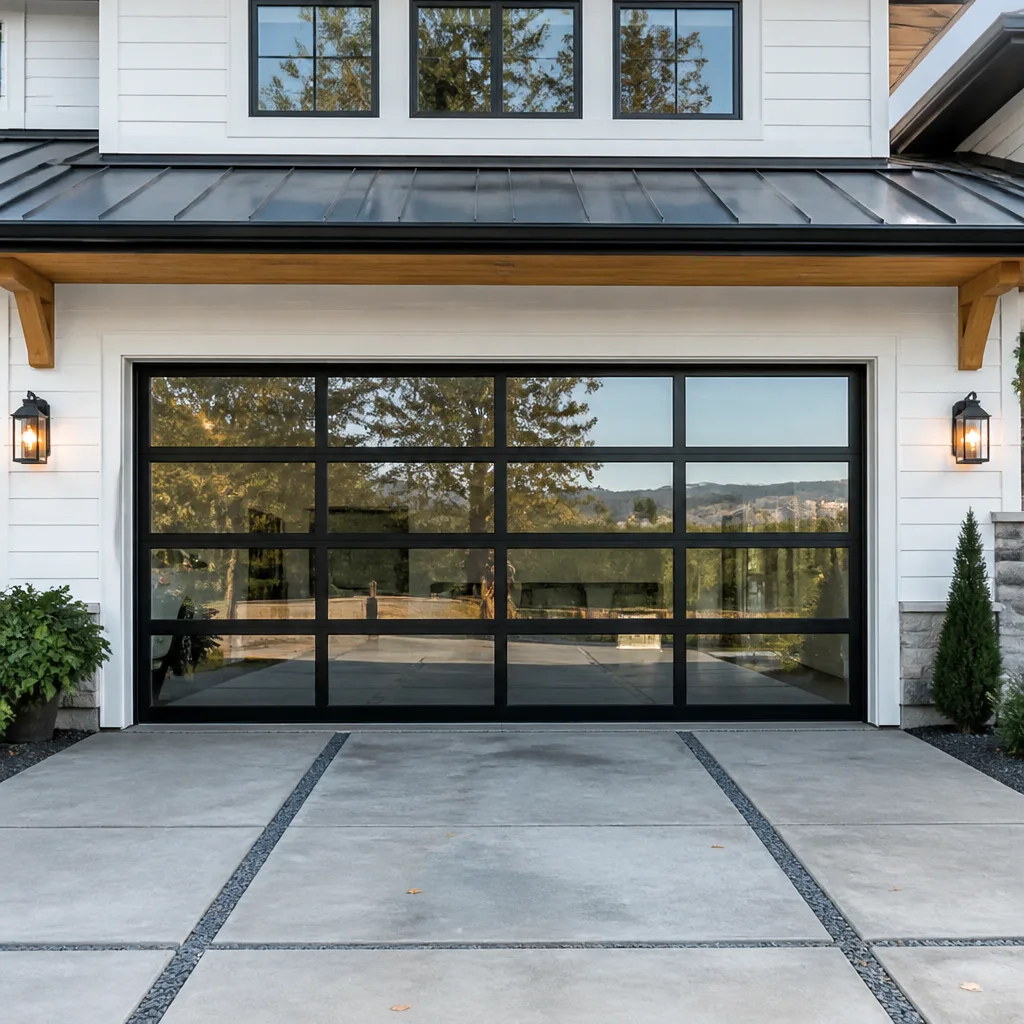 Full-view glass
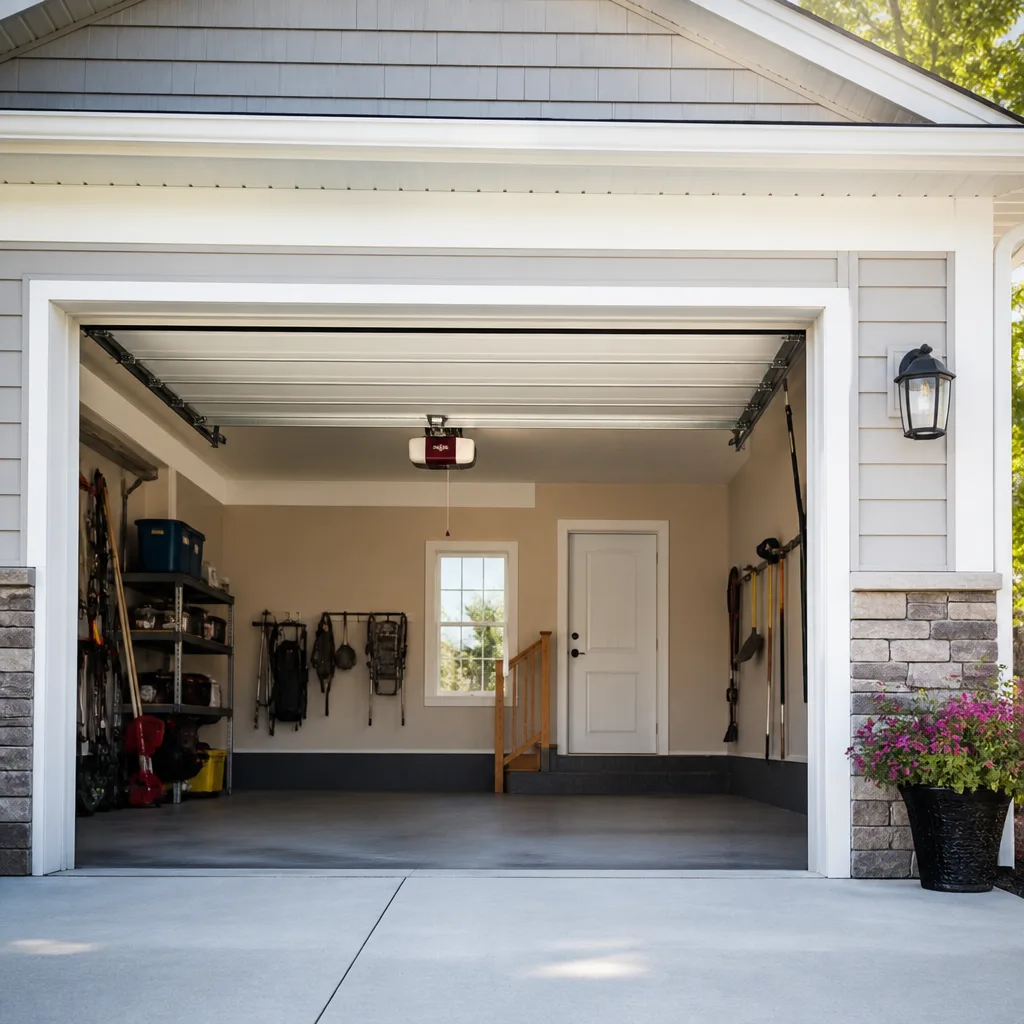 LiftMaster openers
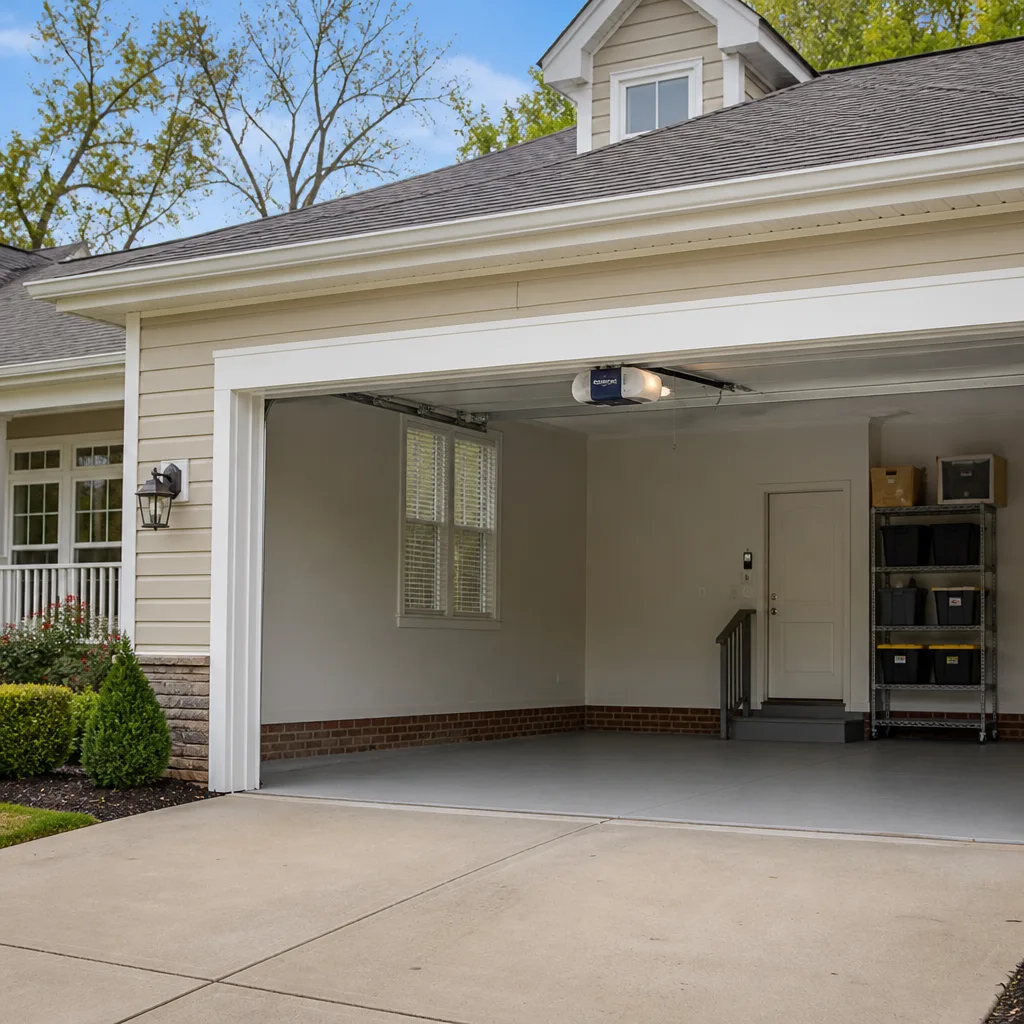 Chamberlain openers
Full 25-point door and opener safety check with every visit - springs, cables, rollers, tracks, and your LiftMaster or Chamberlain opener included
You get a price before we start. It does not change when the truck arrives.
Get your free estimateChoosing the Right Garage Door Brand: A Buyer’s Guide for Sarasota
Walk through any Sarasota neighborhood near the bay and you’ll see it: the same garage door brand that looks pristine on a 2019 home three miles inland shows rust blooms and faded panels on a house eight blocks from the water. The salty air, afternoon thunderstorms, and that particular kind of Florida sun don’t treat all garage doors equally. If you’re shopping for a new door, the brand question isn’t about which logo looks best on a brochure. It’s about which manufacturer builds panels, hardware, and finishes that won’t surrender to Sarasota’s climate in five years. This guide breaks down the brands actually sold and serviced here, how they compare on the factors that matter in a coastal market, and what the spec sheets don’t tell you.
Quick Answer
For most Sarasota homes, Clopay and Amarr currently offer the strongest combination of corrosion-resistant hardware, available wind-load ratings, and local parts accessibility, with Wayne Dalton and CHI as solid contenders depending on your budget and whether you’re within a high-velocity wind zone. Overhead Door remains a workable choice but usually demands closer scrutiny of its finish warranty for homes near salt air. The right pick depends less on the badge and more on which model line within each brand matches your home’s distance from the water and its specific wind-load code requirements.
Styles & brands we work with
Table of Contents
- Why Sarasota Is Harder on Garage Doors Than Minneapolis Ever Will Be
- The Five Brands You’ll Actually Encounter in Sarasota
- What ‘Hurricane Rated’ Means on a Spec Sheet (and What It Doesn’t)
- Steel Gauge Claims: How to Compare Apples to Apples
- R-Value in Sarasota: Where Insulation Matters, Where It’s Oversold
- Parts Availability: The Hidden Cost of Choosing Wrong
- How to Choose Your Brand in Six Steps
Why Sarasota Is Harder on Garage Doors Than Minneapolis Ever Will Be
Sarasota’s climate punishes garage doors in ways that inland markets never experience. The combination of salt aerosol from the Gulf, humidity that hovers above 70 percent for most of the year, and UV index ratings that hit extreme levels in summer creates a three-front assault on your door. Steel panels that would last 20 years in a dry climate can show rust at the bottom edge within five years here if the manufacturer skimped on its galvanized coating or its paint system doesn’t include a proper primer layer. We see the pattern constantly in our Garage Door Repair in Sarasota work: doors under ten years old with rust creeping up from the bottom rail because the homeowner chose a brand based on a national review that never factored in salt exposure.
The wildcard is Sarasota’s wind. Building codes here reference wind speeds up to 160 mph in some zones, which puts real engineering demands on door construction, hinge placement, and the struts that reinforce each panel. A door that holds up fine in Georgia will flex, bow, and eventually fail at its hardware attachment points when subjected to the gusts that roll through during storm season. This isn’t about brand loyalty. It’s about which manufacturers actually design their doors for high-velocity hurricane zones rather than offering a bolt-on wind kit as an afterthought.
The Five Brands You’ll Actually Encounter in Sarasota
Most garage door brand rankings online come from dealers who carry one or two lines. That’s why those lists so often crown the brand that happens to have the best dealer margin. Our perspective is different because our Copper Garage Door Repair home service works across eight brands, including the door panel manufacturers listed below. We diagnose and repair them all, which gives us a clear view of how each holds up after years of Florida exposure.
Clopay
Clopay dominates the Sarasota market because its distribution network is deep and its product range spans budget to premium. The brand’s strength in this climate sits in its finish system: many Clopay lines use a hot-dipped galvanized steel base under a factory-applied paint that holds up measurably better against salt air than thinner finishes. Their hurricane-rated lines, particularly in the Coachman and Gallery collections, can be ordered with reinforced struts and heavier hinges already integrated, which simplifies installation and avoids the week-long wait for a separate wind kit. The drawback is consistency. Clopay’s entry-level price-point doors aren’t dramatically better than competitors at the same price, so if you’re shopping bottom tier, the brand name doesn’t buy much protection.
Amarr
Amarr has climbed hard in Sarasota over the past decade, and for good reason. The brand’s Classica and Heritage lines come standard with hardware that resists corrosion better than most at the same price point. Amarr also tends to be clearer in its documentation: wind load ratings are printed per specific model and size, not buried in a general line brochure. That transparency matters when you’re confirming a door meets Sarasota County’s specific requirements for your zone. The flip side is parts nuance. Some Amarr panels use proprietary hinge spacing and track dimensions, which means if a panel gets damaged eight years from now, you’ll likely need an exact Amarr replacement panel rather than a generic fix. It’s manageable, but it’s why we tell customers to keep their model number somewhere accessible rather than relying on memory.
Wayne Dalton
Wayne Dalton’s presence in Sarasota is smaller than Clopay’s or Amarr’s, but the brand punches above its weight in one specific category: lightweight aluminum and composite doors that resist rust entirely. For homes within a mile of the water, a Wayne Dalton aluminum full-view door can be the smartest long-term choice because there’s simply no steel to oxidize. The trade-off is insulation. Aluminum doors are harder to insulate well, and uninsulated aluminum transfers heat quickly, which matters if your garage is attached and your water heater or HVAC air handler lives out there. Wayne Dalton also offers steel lines with decent galvanization, but in our experience their real differentiator in this market is the aluminum catalog.
CHI Overhead Doors
CHI is the quiet contender that many Sarasota homeowners discover by word of mouth. The brand builds a heavy door: thicker steel, tighter manufacturing tolerances, and a heft you feel the first time you open it manually. That heft translates into real durability in wind. CHI’s hurricane-rated doors often exceed the minimum reinforcement requirements, and the brand has invested in a powder-coat finish process that stands up well against UV fading. The catch is distribution. CHI dealers are fewer in Sarasota than Clopay or Amarr, and while our technicians are trained and experienced on eight major industry brands including CHI’s parent ecosystem, parts for some CHI models can take slightly longer to source than more common local inventory. That doesn’t rule out the brand; it just means if you choose CHI, keep your documentation organized.
Overhead Door (and its Thermacore line)
Overhead Door is a legacy name, and its Thermacore insulated doors are solid products. The challenge in Sarasota isn’t the door itself; it’s finish longevity in coastal exposure and the fact that the brand’s dealer network in this area is thinner than it was a decade ago. If you’re inland, say east of I-75 around the Palmer Ranch or Lakewood Ranch area, an Overhead Door model may serve perfectly well. If you’re west of the Trail near the bay, we’d encourage you to scrutinize the finish warranty language before committing. Salt air has a way of finding the weak point in any paint system.
Beyond the door panel brands, the opener side matters too. The drive system that moves your door sees the same salt air and humidity, and we routinely see opener brands like LiftMaster, Chamberlain, and Genie fail early when the logic board corrodes or the rail rusts. Our Garage Door Opener Repair in Sarasota service sees the full spectrum, and in our experience, LiftMaster’s higher-end DC motor units handle Florida’s humidity best, while budget Genie and Chamberlain models benefit from being kept in a garage area with better airflow. The brand you hang over your opener matters as much as the brand you hang over your car.
What ‘Hurricane Rated’ Means on a Spec Sheet (and What It Doesn’t)
When a garage door spec sheet says “wind rated” or “hurricane approved,” it means the manufacturer has had that specific door model – in that specific size – tested and certified to meet a design pressure rating. Design pressure is the number, expressed in pounds per square foot (psf), that the door assembly can resist before it fails. Sarasota’s building codes require different design pressure ratings depending on your exact address and its wind zone. A door that says “wind rated” without a specific psf number matched to your home’s size and location isn’t a certification; it’s a marketing claim.
Here’s what to look for instead:
- Product Approval Number: Florida maintains a statewide database of approved products. Any door legitimately sold for a hurricane zone in Sarasota should have a Florida Product Approval or Miami-Dade NOA (Notice of Acceptance) number printed on its documentation.
- Design Pressure (DP) Rating: This is the actual number, usually between +20/-20 and +60/-60 for residential doors in high-velocity zones. Bigger doors need higher ratings because more surface area catches more wind. A 16-foot-wide double door on a west-facing wall needs a higher DP than an 8-foot single door on the lee side of the house.
- Integrated vs. Add-On Reinforcement: This is where brands differ sharply. Some manufacturers, particularly Clopay’s hurricane lines and CHI’s storm-rated models, build the reinforcement struts and heavier hinges into the door at the factory. Others sell a base door and require a separate wind kit added at installation. Both can meet code, but the integrated approach leaves less room for installer error and usually holds up better over multiple storm seasons.
Raynor is worth a mention here. The brand we service (and one of the eight names on our certified list) produces doors with engineering that often exceeds the minimum rating for the zone, and their documentation is unusually clear about what’s integrated versus what’s sold separately. If a homeowner is replacing a door after a storm-related failure, we sometimes recommend a Raynor model specifically because the wind certification path is straightforward.
Steel Gauge Claims: How to Compare Apples to Apples
Steel gauge is the most misleading spec in the garage door world, because a lower gauge number means thicker steel, and manufacturers have a nasty habit of quoting the gauge of the door’s skin while hiding the gauge of the frame or the reinforcing rails. A door that says “24-gauge steel” might have a 24-gauge outer skin but 27-gauge internal structure, while another brand’s “26-gauge” door uses 26-gauge steel throughout. The first door sounds stronger and isn’t.
Here’s what we tell Sarasota homeowners to ask instead:
- Ask for the gauge of the panel skin AND the structural frame. Reputable brands (Clopay and CHI come to mind) publish both numbers. If the spec sheet only lists one gauge, assume the unlisted number is thinner.
- Understand the practical range. For most Sarasota homes, a 24-gauge outer skin over a 24- or 25-gauge frame is a good target. Going to 20-gauge is overkill for a standard two-car door unless you’re on a direct waterfront lot facing open water; going thinner than 27-gauge on any component in a wind zone is asking for trouble.
- Consider galvanization coating weight. Steel thickness is only half the rust equation. The galvanized coating weight (usually measured in G60, G90, or similar designations) determines how long the steel resists corrosion in salt air. This number is almost never advertised, but it’s on the internal spec sheets. For homes within a mile of the bay in Sarasota, G90 or better is the sensible target, regardless of the gauge number on the door.
- Remember that thickness adds weight. Heavier doors demand stronger springs, better balanced tracks, and openers with enough lifting force. We see doors spec’d with admirable thickness but paired with an opener that’s too weak for the load, which is why a Garage Door Opener Repair in Sarasota call so often ends with us replacing a burned-out motor rather than fixing the door itself.
R-Value in Sarasota: Where Insulation Matters, Where It’s Oversold
Insulation value, expressed as R-value, measures how well a material resists heat flow. Higher R-value equals better insulation. But the R-value conversation that makes sense in Minneapolis or Chicago doesn’t translate directly to Sarasota, where we’re fighting heat gain rather than heat loss, and where an attached garage is more of a buffer zone than a living space.
For most Sarasota homes, here’s the honest read:
- If your garage is detached, insulation value is mostly irrelevant. A detached garage sits outside your home’s thermal envelope. The door’s R-value won’t change your energy bill in any measurable way. Spend the upgrade money on corrosion resistance instead.
- If your garage is attached but doesn’t share a wall with living space above it, insulation helps a little. It keeps the garage marginally cooler, which reduces heat bleed into the house through the shared wall, but the effect is modest. R-6 to R-9 is plenty.
- If your garage has living space above it or contains a water heater, washer/dryer, or HVAC air handler, insulation does real work. A higher R-value door (R-12 to R-18) keeps that equipment from cooking in the summer heat and can lower your cooling load measurably. We’ve seen enough Sarasota garages with mini-split systems installed to know that an insulated door suddenly matters a lot more.
One more Sarasota-specific wrinkle: polyurethane insulation (the dense foam injected between steel layers) provides more structural rigidity than polystyrene (foam board panels slid into place). In wind, a polyurethane-insulated door resists flex better, which adds real value beyond temperature control. If you’re within a high-velocity wind zone, choosing polyurethane over polystyrene is a smart upgrade that most spec-sheet comparisons ignore.
When a full replacement is the better path, our Garage Door Installation in Sarasota service walks through these trade-offs measure by measure, and we quote the price with the specific door size and wind zone spelled out before any work begins.
Parts Availability: The Hidden Cost of Choosing Wrong
Every garage door eventually needs a part. Springs fatigue, cables fray, rollers wear down, and hinges loosen. The question isn’t whether your door will need service. It’s whether the parts for your chosen brand will be sitting on a shelf in Sarasota when that day comes, or whether you’ll spend two weeks waiting on a shipped-in component while your car sits outside in a Florida thunderstorm.
This is where real-world service experience beats any spec sheet. In our work across Sarasota, parts for Clopay, Amarr, and LiftMaster/Chamberlain openers are the most commonly stocked and the fastest to source locally. Wayne Dalton and CHI parts are usually available within a few days because local distributors carry a working inventory. Raynor parts take a bit longer in some cases, but the brand’s durability record means those cases are fewer. The frustration brands are the ones with no local distributor at all, where every spring or roller or panel requires a special order and a second service visit.
Our recommendation: before you commit to a brand, call two or three garage door service companies in Sarasota and ask, ‘If I needed a bottom panel for this door in five years, how long would it take to source?’ The answer tells you more about the brand’s real local footprint than any marketing brochure, and it’s a question most dealers never invite you to ask.
How to Choose Your Brand in Six Steps
Decision paralysis is real when every brand claims to be the best. Here’s the sequence we walk through with Sarasota homeowners who sit down with us to pick a door:
- Determine your wind zone first. Your exact address in Sarasota determines the design pressure rating your door must meet. This is a code requirement, not a preference. Get this number before looking at any door, because it eliminates brands and models that don’t meet it.
- Measure your distance from salt water. Within a mile of the bay or Gulf, prioritize aluminum or corrosion-resistant finishes. Two to five miles inland, quality galvanized steel is fine. East of I-75, salt exposure is nearly a non-issue and the brand choice opens up considerably.
- Decide if your garage is thermal or utilitarian. Attached and mechanically active? Insulation matters. Detached and just parking? Skip the R-value upsell and reallocate that budget to better hardware or a stronger opener.
- Narrow to two or three brands that meet your criteria. From the brands covered above, one or two will naturally rise to the top based on wind rating, corrosion resistance, and your garage’s role. Don’t compare five brands; compare the two that fit.
- Check parts availability with a service company. The five-minute phone call that saves you two weeks of waiting later. Ask specifically about panels, springs, and rollers, not just openers.
- Select the specific model, not just the brand. Every brand builds good doors and mediocre doors. The model line, gauge, galvanization, and finish warranty matter more than the logo. Get the full spec sheet for the exact door you’re buying, and keep it somewhere you’ll find it in eight years.
Common Mistakes to Avoid
- Buying based on a national review site. A garage door that rates five stars from homeowners in Arizona and Ohio tells you almost nothing about how it holds up in Sarasota’s salt air and wind. Local context beats aggregate ratings every time.
- Assuming “hurricane rated” means code compliant. Meeting a wind test standard doesn’t automatically mean the door meets your specific address’s design pressure requirement. Ask for the Product Approval number and verify it against your zone.
- Comparing only the door panel price. The door itself is one line item. Reinforcements, springs rated for the door’s weight, and an opener capable of lifting it add real cost. Get the full installed price, not just the panel quote.
- Focusing on steel gauge while ignoring galvanization. A thick steel door with a thin zinc coating will rust in this climate while a thinner door with heavier galvanization survives. Both numbers matter.
- Choosing a brand with no local parts channel. The prettiest door in the world becomes a liability when you can’t get a replacement panel in Sarasota without a six-week special order.
- Letting a dealer’s brand affiliation make the decision for you. Single-brand dealers can only recommend what they sell. A multi-brand perspective changes the conversation from ‘which of our doors do you want?’ to ‘which door actually fits your home?’
See the difference
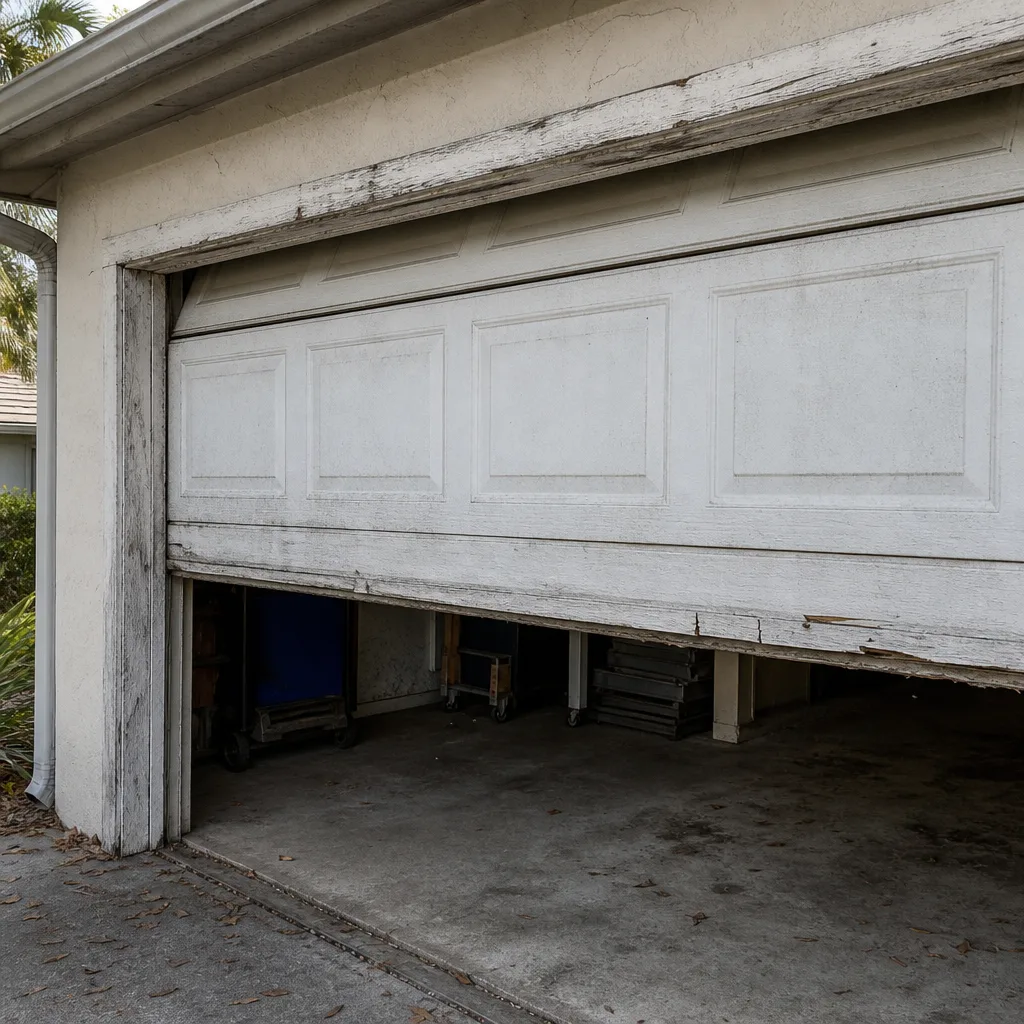 Before
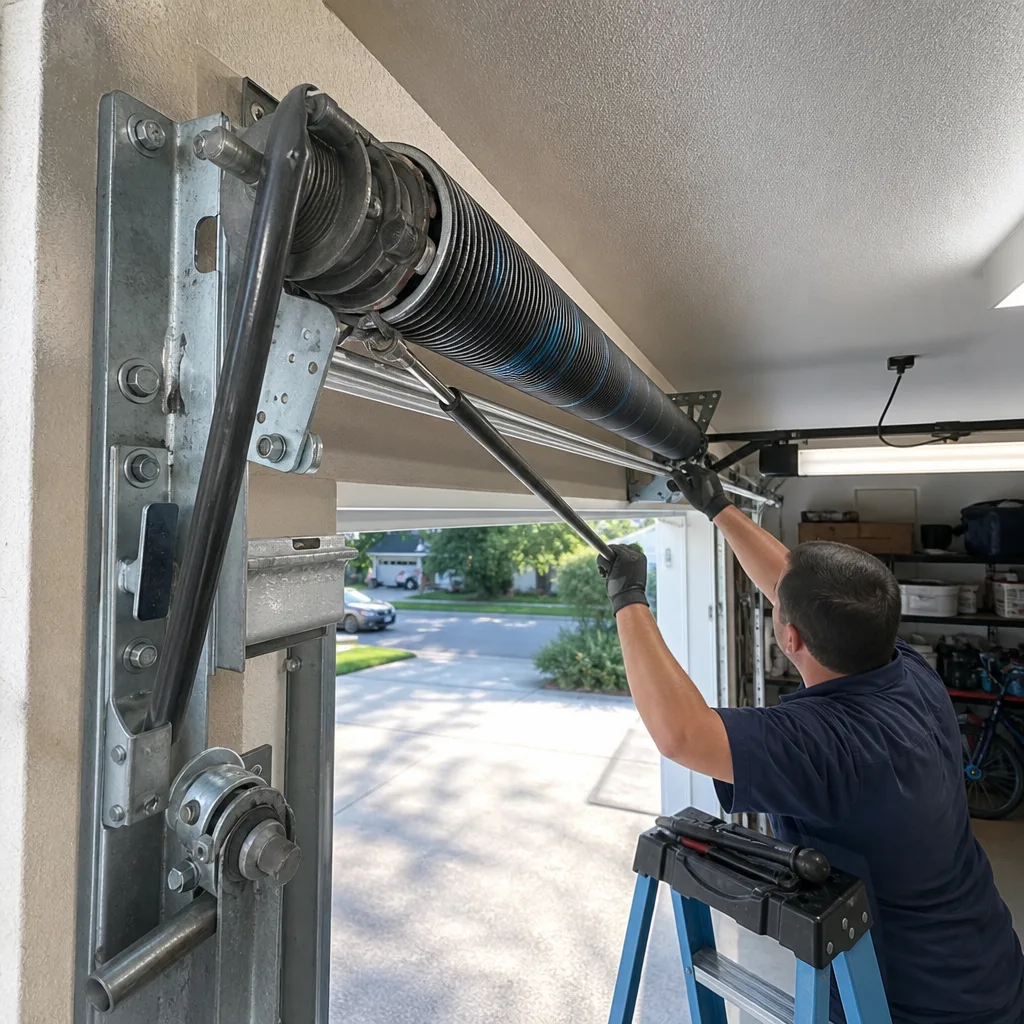 After
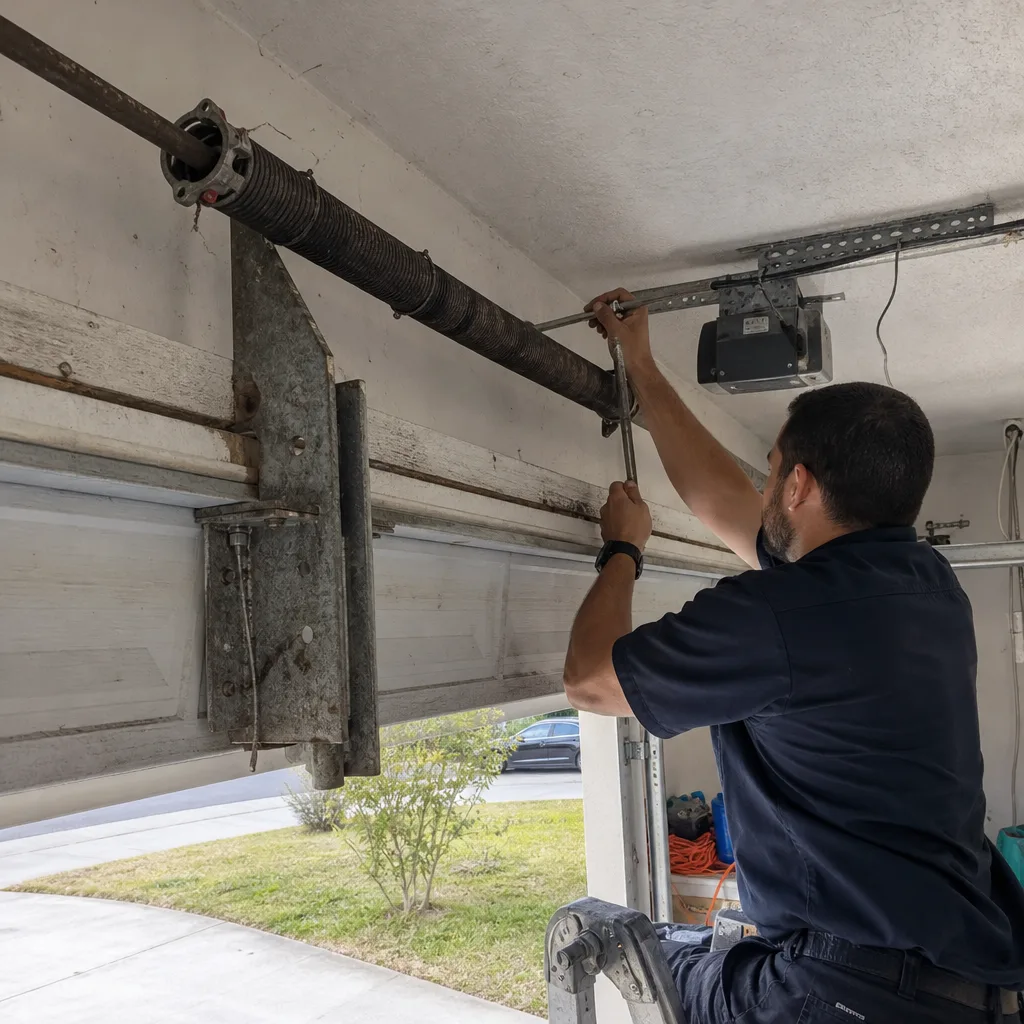 Before
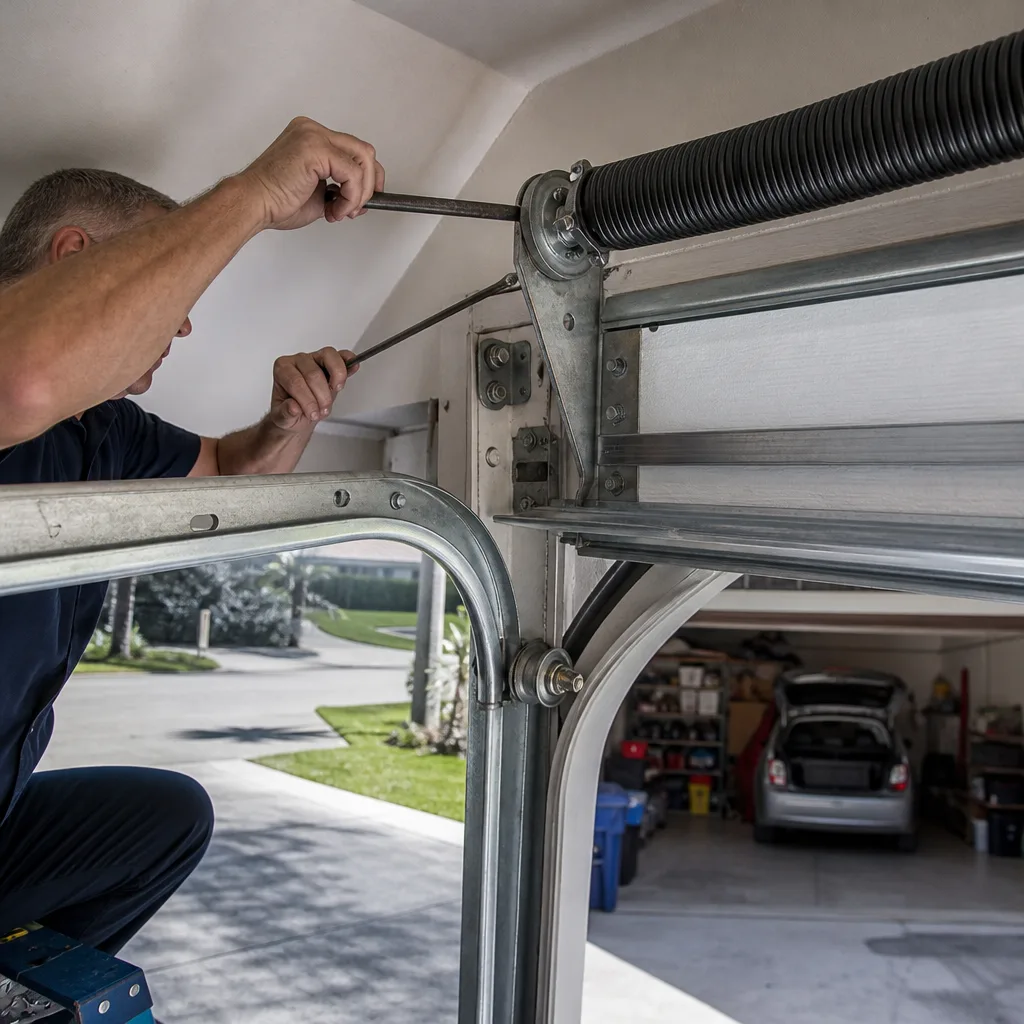 After
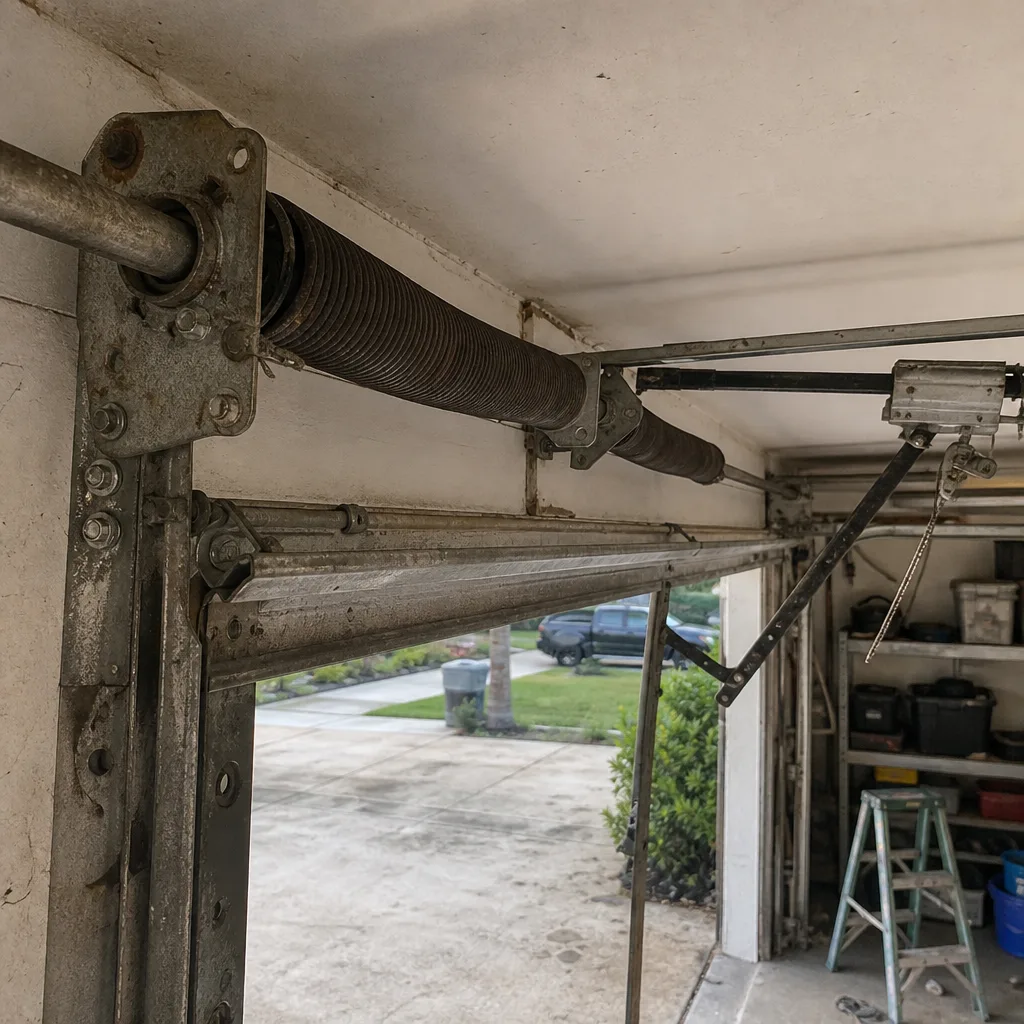 Before
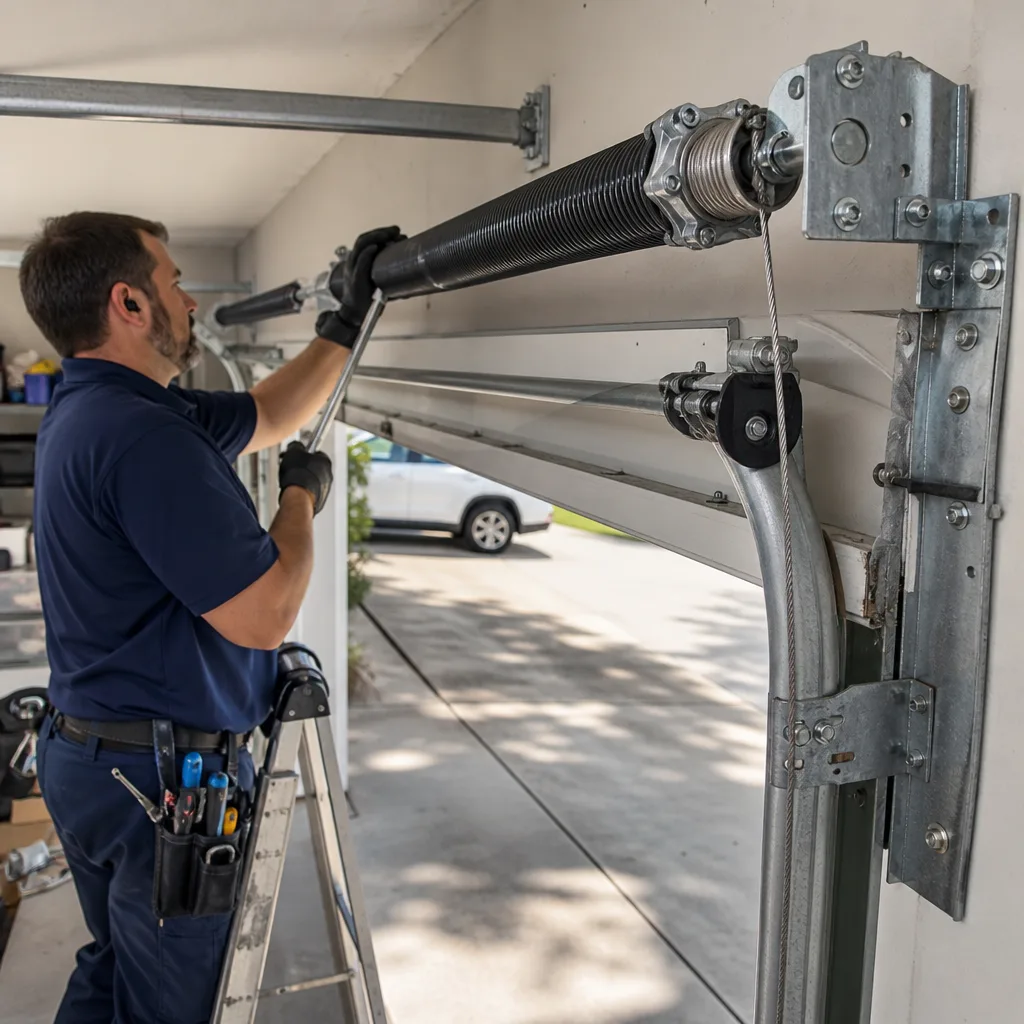 After
When to Call a Professional
The brand selection process gets easier when someone walks through your garage with a critical eye. If you’re unsure whether your home sits in a high-velocity wind zone, if your existing door shows rust or flex and you suspect it was undersized for the climate, or if you need to reconcile a door replacement with an opener upgrade, that’s the moment a trained garage door technician earns the visit. There’s also the honest answer that some things can’t be determined from a spec sheet: how a specific model has actually performed in real Sarasota homes over multiple years. We see that first-hand on every service call for Garage Door Repair in Sarasota, and the pattern recognition across eight brands beats any national ranking. Copper Garage Door Repair offers free estimates in Sarasota, and we’ll tell you exactly which brands and models make sense for your specific address, wind zone, and budget. Call (866) 282-4861 and we’ll walk your garage with you before you spend a dollar.
Frequently Asked Questions
For homes within a mile of the bay or Gulf in Sarasota, Clopay’s galvanized steel lines and Wayne Dalton’s aluminum doors offer the best combination of corrosion resistance and local support, with Amarr a close third. Prioritize aluminum or heavy galvanization over any other feature, and confirm the finish warranty language covers salt air exposure. Call (866) 282-4861 for a specific recommendation based on your address.
A hurricane-rated garage door for a standard two-car Sarasota home typically ranges from $1,800 to $4,500 installed, depending on material, insulation, the required design pressure rating, and whether reinforcement is factory-integrated or added at installation. The price we quote is confirmed in writing before any work begins, and it reflects the exact door size and wind zone for your address.
Full garage door installation is measured and scheduled after we confirm your wind zone, take precise opening dimensions, and order the specific door. That’s rarely a same-day process. What we do offer is a free measure and a written price so you know exactly what you’re getting before the install date. Call (866) 282-4861 to schedule the measure.
The brand matters for parts sourcing, but a technician trained across multiple manufacturers can diagnose and repair doors from all the major brands without needing a specialist for each one. We work on eight major garage door and opener brands including Clopay, Amarr, Wayne Dalton, Raynor, LiftMaster, Chamberlain, Genie, and Craftsman, so a single call covers the brands most common in Sarasota.
LiftMaster’s DC motor openers have the best record for surviving Sarasota’s humidity and salt air, with Genie and Chamberlain models performing well when the garage has decent ventilation. The opener’s logic board is the usual failure point in coastal climates, so placement and airflow matter as much as brand. If your current opener is failing, call (866) 282-4861 for a diagnosis before replacing the door.
If your home is in a high-velocity wind zone in Sarasota, current building code requires the new door to meet the design pressure rating for your address, regardless of whether the old door ever failed in a storm. Code applies at replacement, not just new construction. We’ll check your zone and tell you exactly what the requirements mean for your project.
The Bottom Line
The best garage door brand in Sarasota isn’t a universal answer. It’s the brand whose specific model line matches your wind zone, your distance from salt water, your garage’s thermal role, and the parts availability that keeps future repairs quick and affordable. Clopay and Amarr lead the field for most homes, Wayne Dalton and CHI win in specific niches, and Overhead Door has a narrowing place in this market. Skip the national rankings, check the Florida Product Approval number, and ask a local technician which brands actually age well in Sarasota. The answer isn’t on a spec sheet; it’s in a decade of local service calls.
Written by the team at Copper Garage Door Repair, serving Sarasota since 2013.