
Last updated October 30, 2026
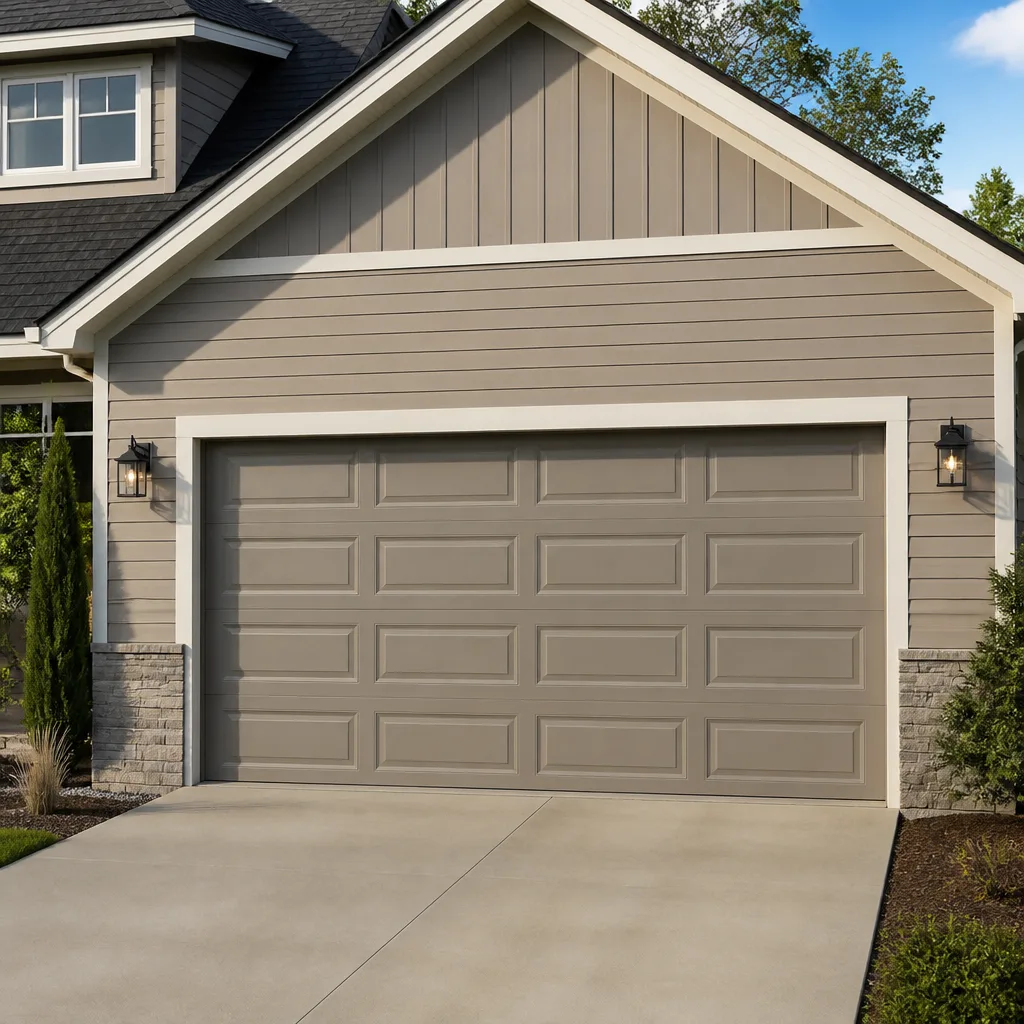 Raised-panel steel
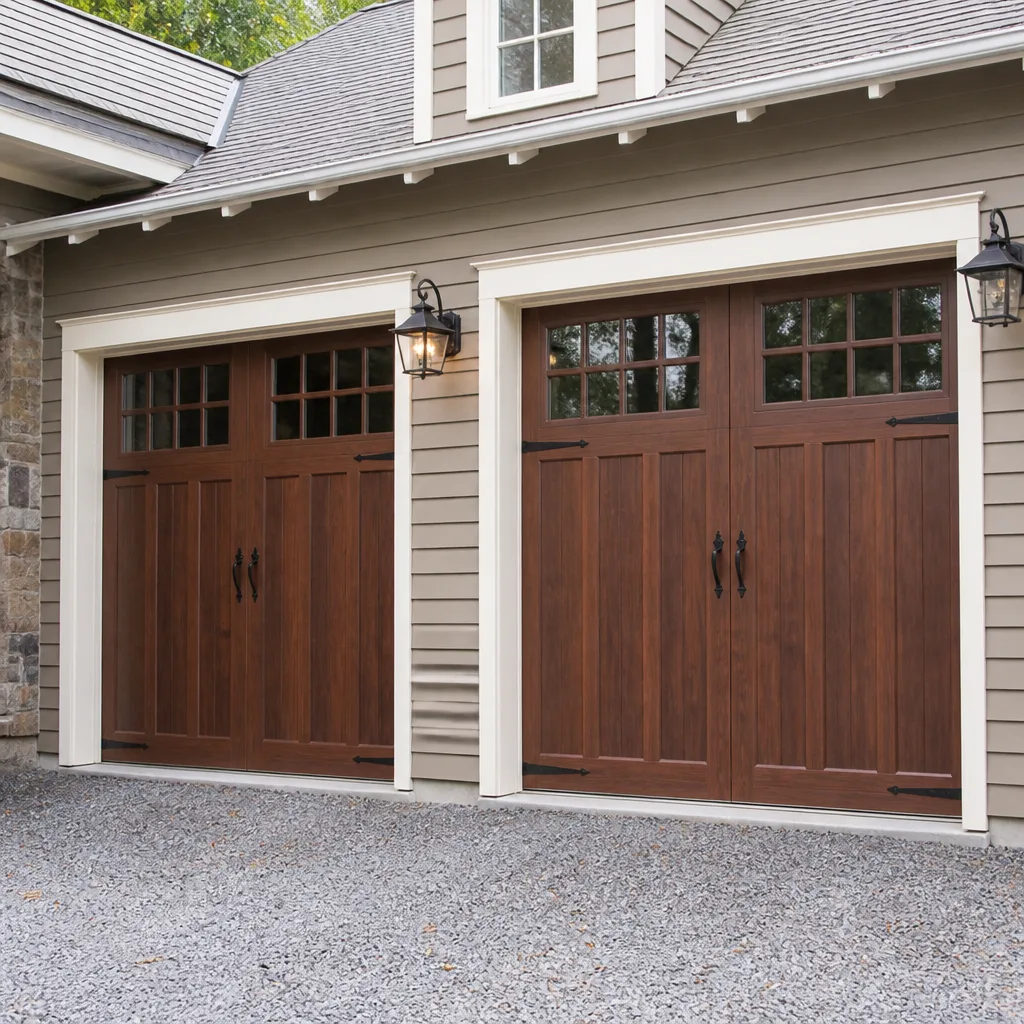 Carriage house
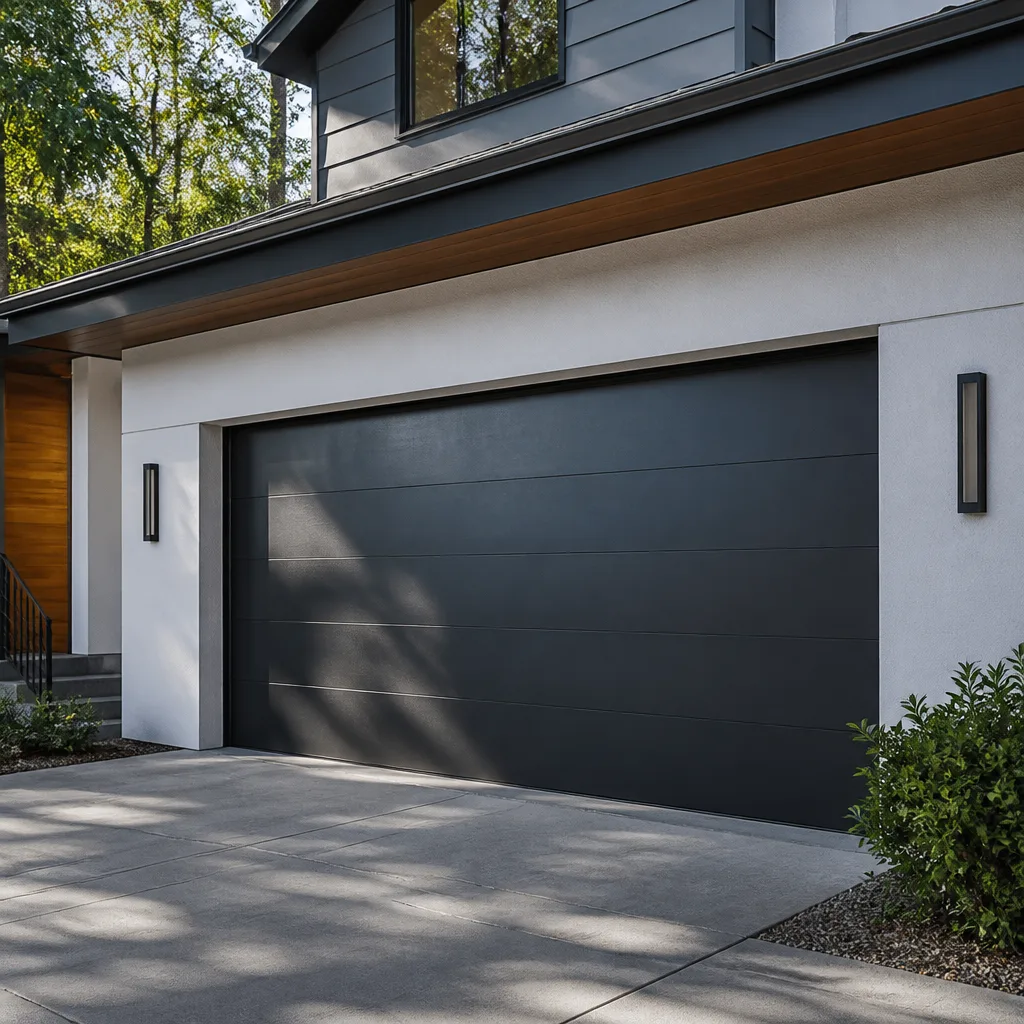 Modern flush
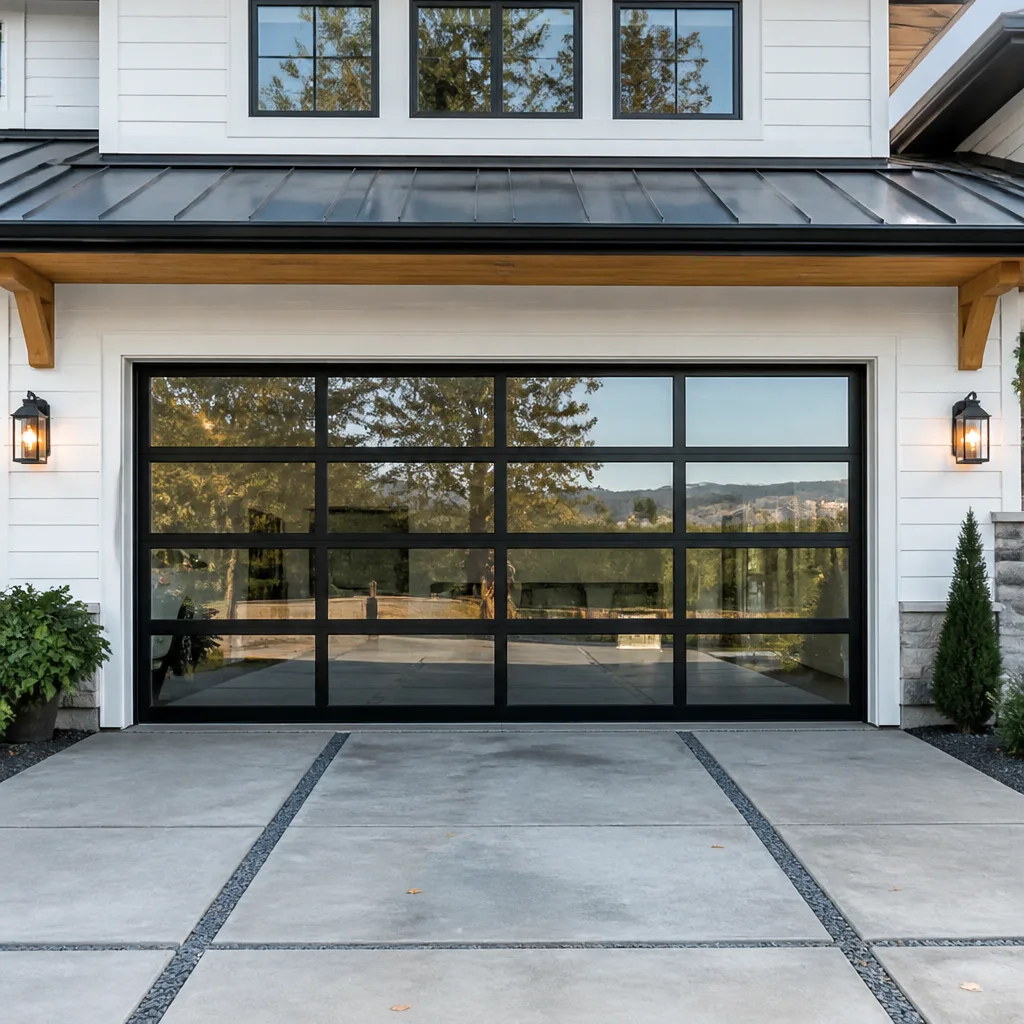 Full-view glass
 LiftMaster openers
 Chamberlain openers
Full 25-point door and opener safety check with every visit - springs, cables, rollers, tracks, and your LiftMaster or Chamberlain opener included
You get a price before we start. It does not change when the truck arrives.
Get your free estimateSeasonal Garage Door Care for Sarasota: Year-Round Homeowner’s Guide
Most garage door maintenance advice circulating online was written for homeowners who store snow shovels next to their torsion springs. Sarasota doesn’t have a winterizing problem, but it has two seasons that punish garage doors in completely different ways: a June-through-November hurricane window that tests structural integrity, and a salt-laden dry season from December through May that accelerates corrosion and seal degradation faster than most owners expect. This guide is built around those two realities, not a calendar borrowed from Cleveland. You’ll learn exactly when to inspect what, why Sarasota’s afternoon rain patterns demand a different approach to weatherstripping than drier climates, and how to self-assess your door after a hurricane before deciding whether to call a technician.
Styles & brands we work with
Quick Answer
Seasonal garage door care in Sarasota comes down to two focused inspection cycles per year: a pre-hurricane prep in April or May that checks spring tension, track alignment, bottom seal integrity, and opener backup power, followed by a post-season recovery inspection in November or December that addresses storm wear and salt corrosion. In between, monthly visual checks of rollers, cables, and weatherstripping catch the daily afternoon rain damage that accelerates seal breakdown. Most homeowners can handle basic inspections themselves, but any spring, cable, or track alignment issue should go to a trained technician.
Table of Contents
- Why Sarasota’s Climate Punishes Garage Doors Differently
- Pre-Hurricane Preparation: April Through May
- The Complete Pre-Storm Checklist
- Post-Season Recovery: November Through December
- Dry Season Corrosion: What to Inspect January Through March
- How Sarasota’s Afternoon Rain Patterns Affect Weatherstripping
- What Homeowners Should Never Attempt Themselves
- Common Mistakes to Avoid
- When to Call a Professional
- Frequently Asked Questions
- The Bottom Line
Why Sarasota’s Climate Punishes Garage Doors Differently
Northern garage door guides assume four equal seasons. Sarasota operates on a two-season reality that affects every component differently. The first season, running June through November, brings daily convective thunderstorms, sustained humidity above 70 percent, and the ever-present possibility of a named storm. The second season, December through May, is when most people think Sarasota has perfect weather, but it’s also when salt air from the Gulf moves inland on prevailing westerly winds and settles on metal hardware.
The salt is the silent killer. We’ve opened panels on doors less than five years old in neighborhoods near Beneva Road and found roller stems oxidized to the point of drag. The corrosion doesn’t announce itself. It accumulates during the dry months when owners aren’t thinking about their garage doors, then catches up during summer when heat causes metal to expand and seize against rusted surfaces. By the time a door starts grinding or hanging crooked, the underlying oxidation has usually been months in the making.
Humidity compounds the problem. A door that operates smoothly at 70 degrees and 50 percent humidity behaves differently at 92 degrees and 80 percent humidity. Wood-core doors absorb moisture and gain weight. Steel doors with compromised seals collect condensation inside the panel channels. Weatherstripping designed for temperate climates breaks down faster under constant UV exposure and daily thermal cycling. The practical result is that Sarasota homeowners benefit from a semiannual inspection cycle tied to the hurricane calendar, not the equinox.
Pre-Hurricane Preparation: April Through May
The Atlantic hurricane season officially begins June 1, but smart Sarasota homeowners treat April and May as garage door prep season. The logic is simple: waiting until a storm is three days out means competing with every other homeowner for parts, technician appointments, and the bandwidth to think clearly. A door that fails during a hurricane doesn’t just inconvenience you. A breached garage door is the most common point of structural failure in residential hurricanes, because once the door goes, the pressure differential can lift the roof.
Here’s what a disciplined pre-season inspection covers, in order of priority:
- Bottom seal integrity. The rubber or vinyl strip along the bottom of the door keeps wind-driven rain out. In Sarasota’s heat, this seal bakes and cracks within two to three years, even on quality doors from manufacturers like Clopay and Amarr. Run your hand along the bottom edge and look for gaps, brittleness, or sections that have pulled away from the retainer.
- Track alignment and hardware tightness. Loose lag bolts and misaligned tracks turn a 90-mph wind gust into a door that jumps its rails. Check that vertical and horizontal tracks are plumb and level, and that all bolts are snug. Do not overtighten. Stripped threads are worse than slightly loose fasteners.
- Spring tension evaluation. A door with weak or unbalanced springs struggles to stay seated in the tracks under negative pressure. Disconnect the opener and manually lift the door halfway. It should stay put without drifting up or slamming down. If it moves, the springs need adjustment or replacement.
- Opener backup power. Power outages during storms are routine in Sarasota, and a garage door can weigh 300 pounds or more. If your opener has a battery backup, test it in April. If it doesn’t, consider one. We recommend Genie and LiftMaster battery-equipped models for coastal installs, and the team at Copper Garage Door Repair home can walk you through whether your current opener supports a retrofit.
This is also the right time to replace any section of weatherstripping that has hardened. It’s a low-cost part that prevents thousands in water damage if a storm sits over Sarasota for three days and pours rain against the door face.
The Complete Pre-Storm Checklist
When a named storm is actually in the forecast window, the April inspection pays off. Your checklist gets shorter because the groundwork is done. Here’s the rapid sequence we recommend running through 48 to 72 hours before projected landfall:
- Test the door balance again. Hurricanes strengthen unpredictably. A door that was balanced in May needs a confirmation test when the forecast track includes Sarasota County.
- Clear the tracks. Blowing debris is the most common cause of during-storm garage door failures. Remove anything stored within three feet of the interior tracks, including bikes, ladders, and boxes.
- Check the bottom seal. If it’s been compromised since the spring inspection and a replacement didn’t happen, now is the time. It’s a 15-minute fix for a homeowner with the right replacement strip for their door brand.
- Confirm opener battery status. If you have battery backup, make sure it holds a charge. If you don’t, set the manual release function and practice using it once. You’ll want that muscle memory if the power drops while the door is half-open.
- Document with photos. Take clear photos of the door, tracks, springs, and opener. In a worst-case scenario, having a pre-storm condition record helps with insurance claims and gives any technician a reference point for what changed.
For anyone in a flood zone or within a quarter mile of the Gulf, the pre-storm protocol is the same but with more urgency. Salt spray combined with wind-driven rain can cut through a marginal bottom seal in hours. If you’re unsure whether your door is storm-ready, Garage Door Repair in Sarasota services all eight major brands we work on, so one visit handles whatever system you have installed.
Post-Season Recovery: November Through December
Once hurricane season closes on November 30, the impulse is to stop thinking about the garage door. That’s the worst time to ignore it. The accumulated stress of summer heat, daily rain, and any storms that passed through leaves components worn in ways that won’t show up until the cool dry season, when metal contracts and dried seals crack.
A post-hurricane inspection, even in years when no major storm made direct landfall in Sarasota, should cover these areas:
- Rollers and hinges. Nylon rollers wear faster in hot, humid conditions. Inspect for flat spots, wobble, and grating sounds. Steel rollers should be checked for rust pitting that will worsen during the salt-heavy dry months ahead.
- Springs and cables. The heat-expansion cycles of summer fatigue torsion springs. Look for gaps in the coils, rust on the spring body, and frayed cable strands near the bottom brackets. Frayed cables are a failure waiting to happen, and cable failures are sudden and dangerous.
- Panel condition. Coastal air accelerates panel oxidation, especially on the bottom section closest to the ground. Check for bubbling paint, rust bleeding through, and dents from debris. Small dents don’t usually affect function, but panel corrosion does.
- Opener operation. Run the opener through a full cycle and listen for changes. A motor that sounds labored in December has likely been struggling since August, but the cooler air makes the difference audible.
If the summer brought even a single severe thunderstorm with high winds, schedule a professional inspection even if the door looks fine. We’ve found twisted horizontal tracks and sheared bracket bolts on doors that appeared perfectly aligned from the driveway. The damage hides inside the rail channel. For homeowners with doors from Wayne Dalton or Raynor, the post-season check is particularly important because those brands use specific track profiles that require brand-aware inspection. Our technicians are trained across those systems, which means one visit from Garage Door Opener Repair in Sarasota covers the opener and the door together.
Dry Season Corrosion: What to Inspect January Through March
Sarasota’s dry season is when salt corrosion does its worst work. The humidity drops into the 40s and 50s, the Gulf breeze carries salt inland, and no afternoon rain arrives to wash residues away. On metal garage door components, that’s the recipe for accelerated oxidation. What started as light surface rust in October becomes pitting and structural weakening by March.
The parts most vulnerable to dry-season salt damage are:
- Torsion spring cones and bearing plates. These sit inside the spring line where salt spray and road dust converge. Once the bearing plates corrode, the spring shaft grinds, and the door starts jerking with each cycle. We see this most on homes within two miles of the water along Gulf of Mexico Drive and the barrier islands.
- Roller stems. The stem is the metal pin that holds the roller wheel. It’s exposed, it’s tiny, and it carries the entire weight of the door. Corroded stems create drag, which forces the opener to work harder and shortens motor life.
- Cable drum and cables. The cables that lift the door ride on metal drums located above the door. Salt buildup on the drum surface wears the cable strands through friction. If you see salt crystallization, white or green crust, on any component, it’s actively corroding.
- Screws, bolts, and brackets. Every exposed fastener is a corrosion point. On older doors, bracket bolts can rust clean through during a single dry season if the zinc coating was already compromised.
A practical January drill we recommend to every Sarasota homeowner: spray a light coat of silicone lubricant on the roller stems, hinges, and spring coils, then wipe the tracks clean with a dry cloth. Not WD-40. It attracts dust and washes away the protective film. Silicone dries clean and displaces moisture without leaving a sticky residue. Check the door balance monthly during dry season, because seal shrinkage changes how the door seats, and a door that’s drifted out of balance works harder in every subsequent cycle.
If you spot salt crust or rust bloom, address it before March ends. The corrosion only accelerates when the humid season returns, and a rusted spring under tension is something professional Garage Door Installation in Sarasota specialists should evaluate, not a homeowner with a wire brush.
How Sarasota’s Afternoon Rain Patterns Affect Weatherstripping
Sarasota gets roughly 55 inches of rain per year, and the overwhelming majority of it falls between June and September in short, intense afternoon downpours. That pattern is harder on garage door seals than the steady drizzle of a Pacific Northwest climate. The cycle is brutal: morning sun heats the vinyl or rubber seal to 140 degrees or more, then a 20-minute thunderstorm dumps an inch of rain on it, then the sun returns and bakes it dry. That thermal cycling, repeated daily for four months, is why weatherstripping in Sarasota fails faster than its rated life span would suggest.
The weak points are predictable. The bottom seal takes the brunt, because water pools on the driveway apron and sits against the seal long after the rain stops. The jamb seals along the sides and top get less pooling but more direct sun, which makes them brittle and prone to tearing loose from their channels. The result is a door that looks sealed but leaks at the top corners during the daily downpour, letting water track down the inside of the panel and onto the door framing.
Here’s what to check mid-summer, and how it differs from northern advice:
- Look for seal deformation, not just cracks. In drier climates, seals crack. In Sarasota, they also warp and take a set. Run your finger along the seal and feel for waves or kinks that prevent full contact with the door.
- Check the seal-to-door contact at midday. That’s when the seal is hottest and most expanded. Gaps that disappear in the cool of morning may open up in the afternoon when the seal softens.
- Inspect the retainer channel. On many doors, the bottom seal slides into an aluminum retainer. Salt and sand from driveway runoff fill the channel and abrade the seal. Clean it out with a plastic scraper and flush with water.
- Replace in pairs or as a set, not as single sections. A new bottom seal next to old jamb seals creates an uneven lip that channels water to the joint. Replace the full sealing system if more than one component shows wear.
Doors from Amarr and Clopay generally ship with high-spec vinyl seals that last longer than generic aftermarket replacements, but no seal survives indefinite Sarasota sun. If the door is over ten years old and the seals are original, assume they’re due, even if they still look intact. The wear is often invisible until the rain finds it.
What Homeowners Should Never Attempt Themselves
Most of this guide is about inspection, which any attentive homeowner can do safely with a flashlight and a step stool. Repair is a different category. A garage door spring holds enough tension to remove fingers, break bones, or kill. It is the one component on a home that routinely injures people who try to fix it themselves.
Here’s where the line sits. You can inspect springs visually. You can test door balance manually. You can lubricate roller stems and hinges. You cannot, and should not, attempt to:
- Adjust, replace, or rewind a torsion spring. The winding bars required to do this safely are specialized tools, and even with them, a single slip can send a steel bar through a wall or into a face. Springs under load don’t forgive mistakes.
- Replace lift cables. The cables are connected to the same spring system. When a cable lets go, the spring unwinds violently. This is a job for a technician who can release the tension in a controlled sequence.
- Straighten or re-align a sprung track. If the track has popped off the wall or the vertical rails have twisted, the stresses that caused it are still in the system. Forcing the track back into shape without rebalancing the door just moves the failure to a different part.
- Work on the opener’s internal motor or circuit board. Openers carry both electrical current and mechanical strain. A miswired board or misaligned limit switch can cause the door to drive itself through a wall or onto a car.
The reason specialists exist at companies like Copper Garage Door Repair is that a correct diagnosis prevents the second failure. We work on LiftMaster, Chamberlain, Genie, Clopay, Amarr, Wayne Dalton, Craftsman, and Raynor, so when one component on one brand causes a failure, we can trace it through the whole system without defaulting to a brand-specific solution. If you’ve spotted a problem described in this guide and it involves a spring, cable, or track, the right move is to stop using the door and make a call.
Common Mistakes to Avoid
- Skipping the pre-season inspection because “the door works fine.” A garage door that operates normally can still have a broken balance spring or a bottom seal that’s about to fail. The whole point of seasonal maintenance in Sarasota is catching the failure before a storm does.
- Lubricating the tracks. Tracks are not meant to be lubricated. Grease in the track attracts sand and road grit, which turns the track into a grinding surface that wears out rollers. Lube the roller stems and hinges. Leave the tracks dry and clean.
- Using WD-40 on springs and rollers. It’s a solvent, not a lubricant. It strips whatever protective film exists and evaporates, leaving bare metal worse off in salt air. Use a silicone spray, and reapply monthly during dry season.
- Replacing only the torn section of weatherstripping. Old and new seal materials have different compression rates. The gap between an old jamb seal and a new bottom seal is where water finds an entry point. Replace the seal set together.
- Ignoring a slow or imbalanced door for weeks. In Sarasota’s heat, an imbalanced door deteriorates faster because the opener compensates by working harder on every cycle. The longer it runs out of balance, the more likely the opener motor or the spring fails.
- Testing a door’s balance by disconnecting the opener and letting it drop. Always support the door while testing. If the springs have already failed, the door will free-fall, and a falling panel section does real damage to fingers and floor.
- Forgetting battery backup until the power is already out. When a hurricane knocks out power in Sarasota, the door stays closed unless you can release it manually. If you’ve never practiced the manual release, that moment is not the time to learn.
When to Call a Professional
Some situations call for immediate professional assessment. A door that makes a sharp cracking sound when opening or closing is almost always a spring or cable failing, and that’s a safety issue. A door that sits crooked in the opening, one side lower than the other, is either a broken cable or a bent track, both of which get worse with every use. If you’ve run through the post-hurricane checklist and found rust on the springs, frayed cable strands, or a panel that’s pulling away from the frame, don’t wait for the next storm season to act. Copper Garage Door Repair offers free estimates in Sarasota. Call (866) 282-4861 and we’ll tell you exactly what’s wrong and what it takes to fix it, no upsell pressure and no guesswork.
Frequently Asked Questions
Twice a year minimum: a thorough pre-hurricane inspection in April or May, and a post-season inspection in November or December. Monthly visual checks of rollers, seals, and cables between those two dates catch issues that develop in the high-use summer months. Garage Door Repair in Sarasota handles these inspections for every major door and opener brand, so you’re covered regardless of what system is installed. Call (866) 282-4861 to schedule a seasonal check.
A visual inspection and tune-up typically runs between $75 and $150 in the Sarasota market. If the inspection finds a worn seal or a failing roller, parts add to that total, and the price is always quoted and agreed before any work begins. If the springs need replacement, that’s a larger job in the $200 to $400 range depending on the spring type and door weight. Call (866) 282-4861 for an exact quote, estimates are free.
Yes, and you should. Look for visible damage: bent tracks, sagging sections, gaps under the bottom seal, and water stains on the interior panel. But if you notice anything involving springs, cables, or the opener’s internal mechanism, stop using the door and call a professional. A post-storm door carries hidden stresses that a visual inspection from the driveway won’t reveal. Call (866) 282-4861 to have a technician check it before normal daily use resumes.
Yes. Even if you’re sheltering in place, a power outage locks the door in whatever position it’s in. If the door is open when the power drops, a battery backup lets you close it. If it’s closed, the backup ensures you can open it afterward without wrestling a 300-pound door off the manual release. For Sarasota, where thunderstorms knock out power routinely even without a hurricane, a battery-equipped opener from LiftMaster or Genie is the single most practical storm-prep upgrade you can make. We can help you choose the right model. Call (866) 282-4861.
Dry-season air in Sarasota strips whatever moisture existed in the roller stems and hinge pins, and salt accumulation adds friction. The squeak is usually a lubrication issue, not a structural one, but it’s worth investigating because a dry roller can overheat and seize. Apply silicone spray to roller stems and hinges monthly from December through April. If the squeak persists after lubrication, the bearings are worn, and the rollers need replacement before they fail.
No. At Copper Garage Door Repair, the price is quoted and agreed before any work starts. We diagnose the problem, explain what needs to be fixed and why, give you a firm number, and don’t begin until you say go. That applies to every service from Garage Door Opener Repair in Sarasota to full door replacements. No surprise invoices, no discovery upcharges.
The Bottom Line
Sarasota garage doors don’t age on a four-season calendar. They wear according to a hurricane-season stress cycle and a dry-season corrosion cycle, and the smart maintenance plan mirrors that rhythm: prep in April and May, recover in November and December, monitor corrosion through the dry months, and stay ahead of daily rain damage all summer. Most of this work is visual inspection and basic lubrication, which any attentive homeowner can handle. The exceptions, springs, cables, tracks, and opener internals, are never DIY territory. A trained eye catches what a photograph can’t, and in a salt-air coastal market, that early catch is the difference between a $10 seal and a $400 spring replacement. When the time comes to bring in a professional, Garage Door Installation in Sarasota or repair service with brand-level training across eight major manufacturers means one call covers the whole system. We work on your brand, whatever it is.
Written by the team at Copper Garage Door Repair, serving Sarasota since 2013.
See the difference
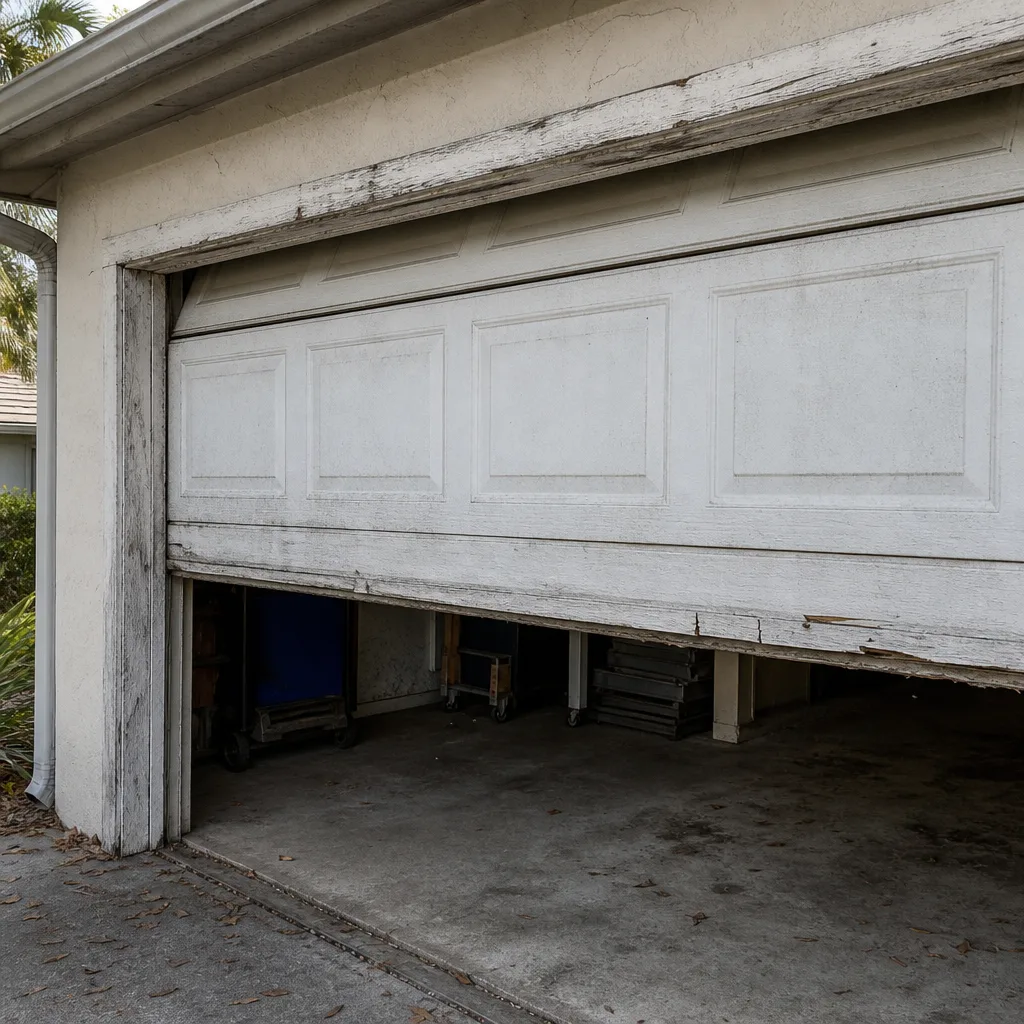 Before
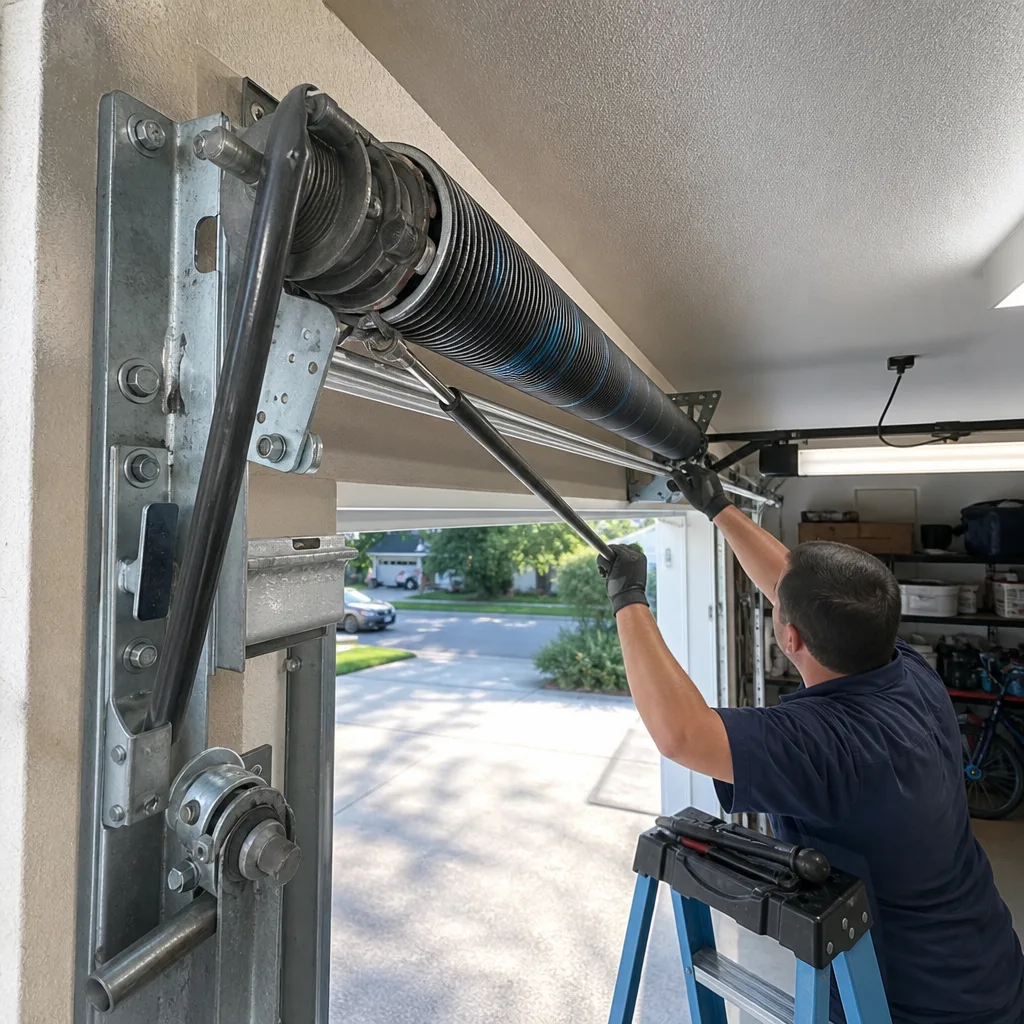 After
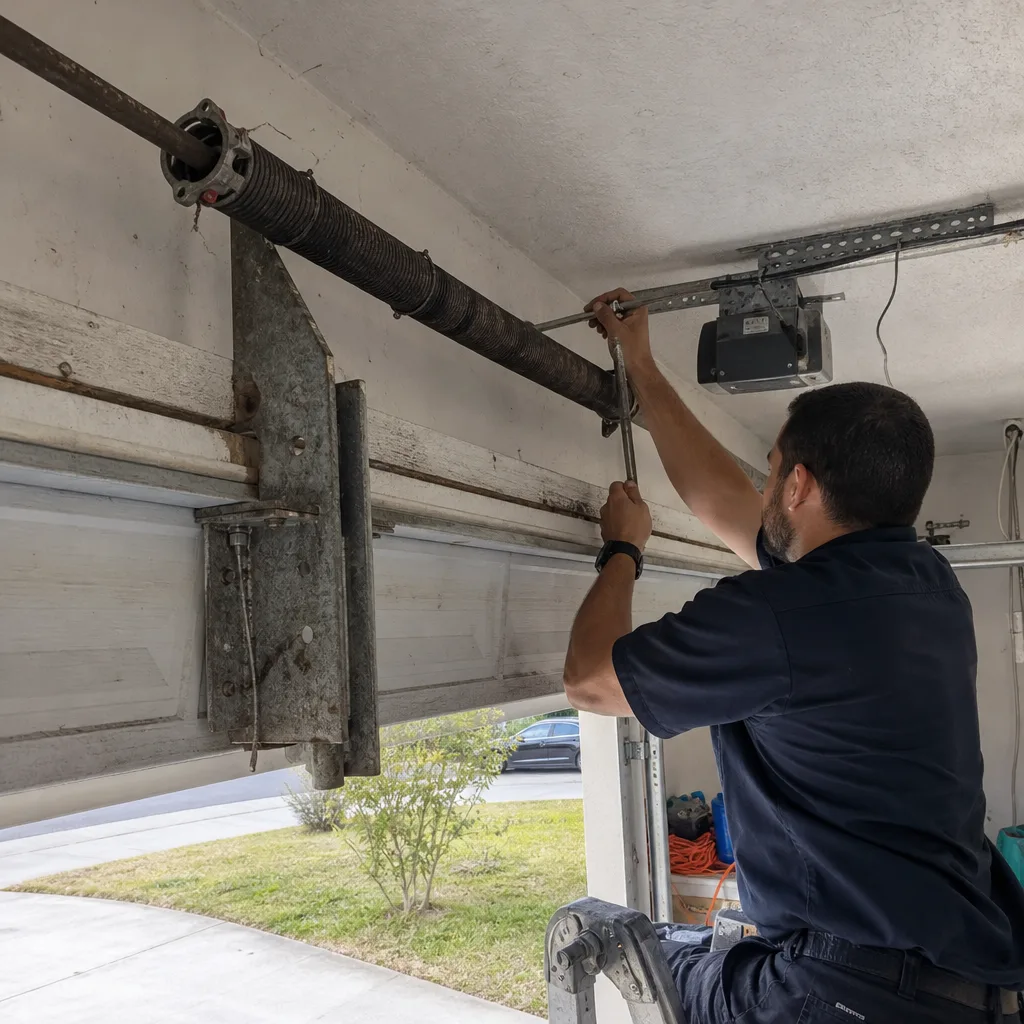 Before
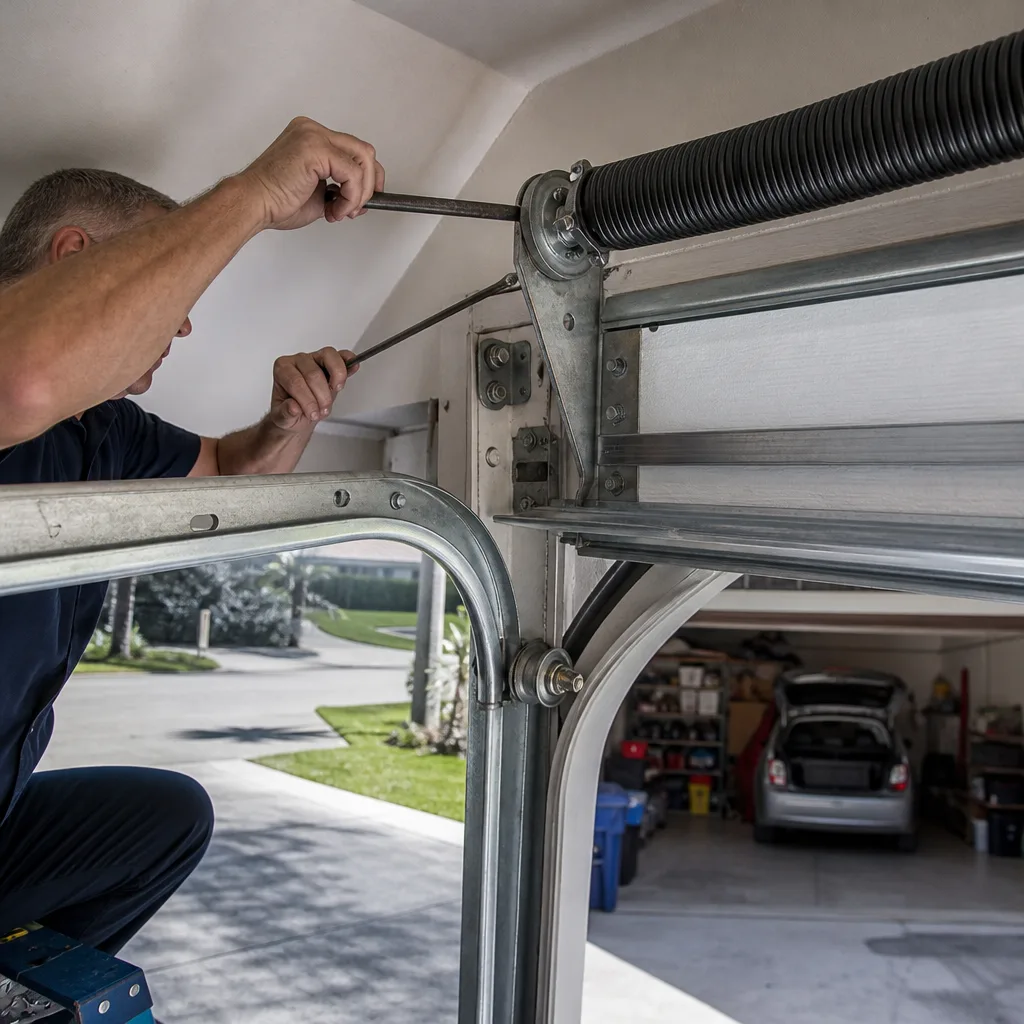 After
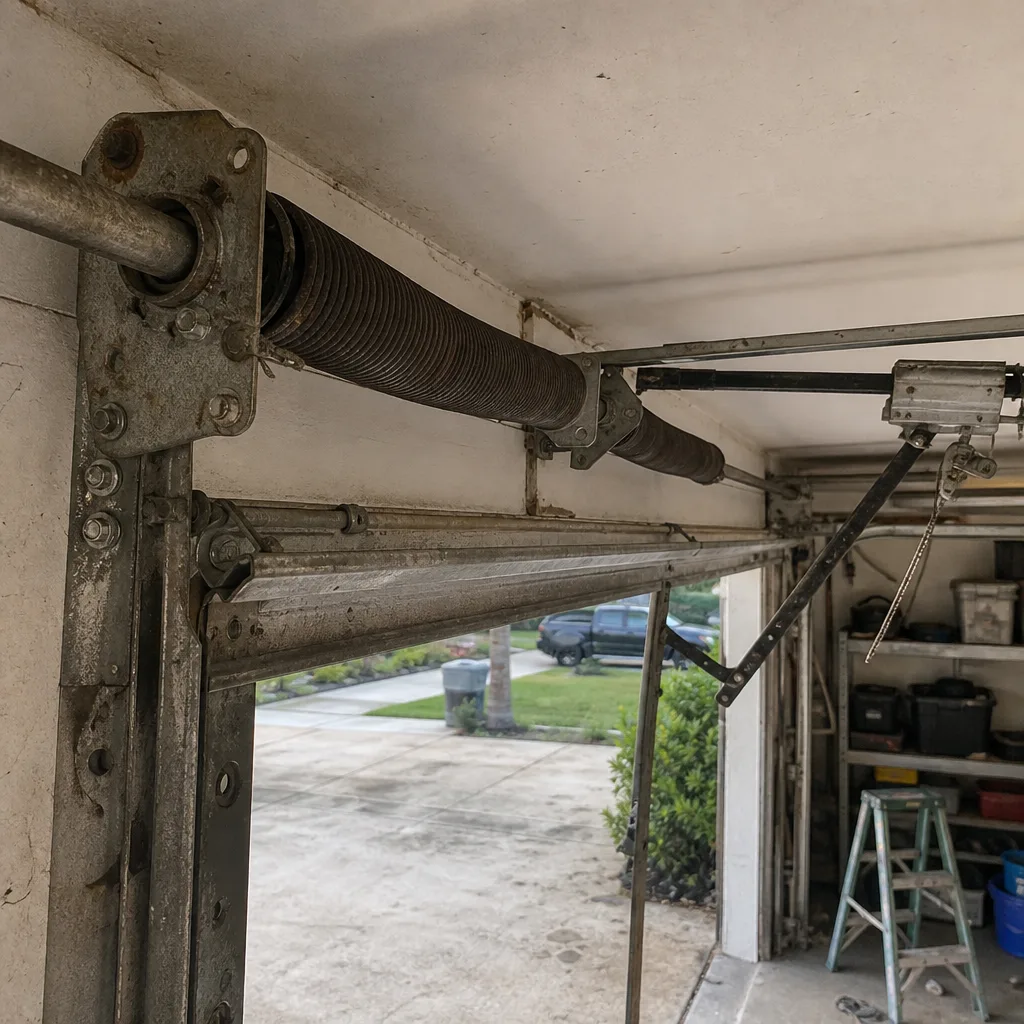 Before
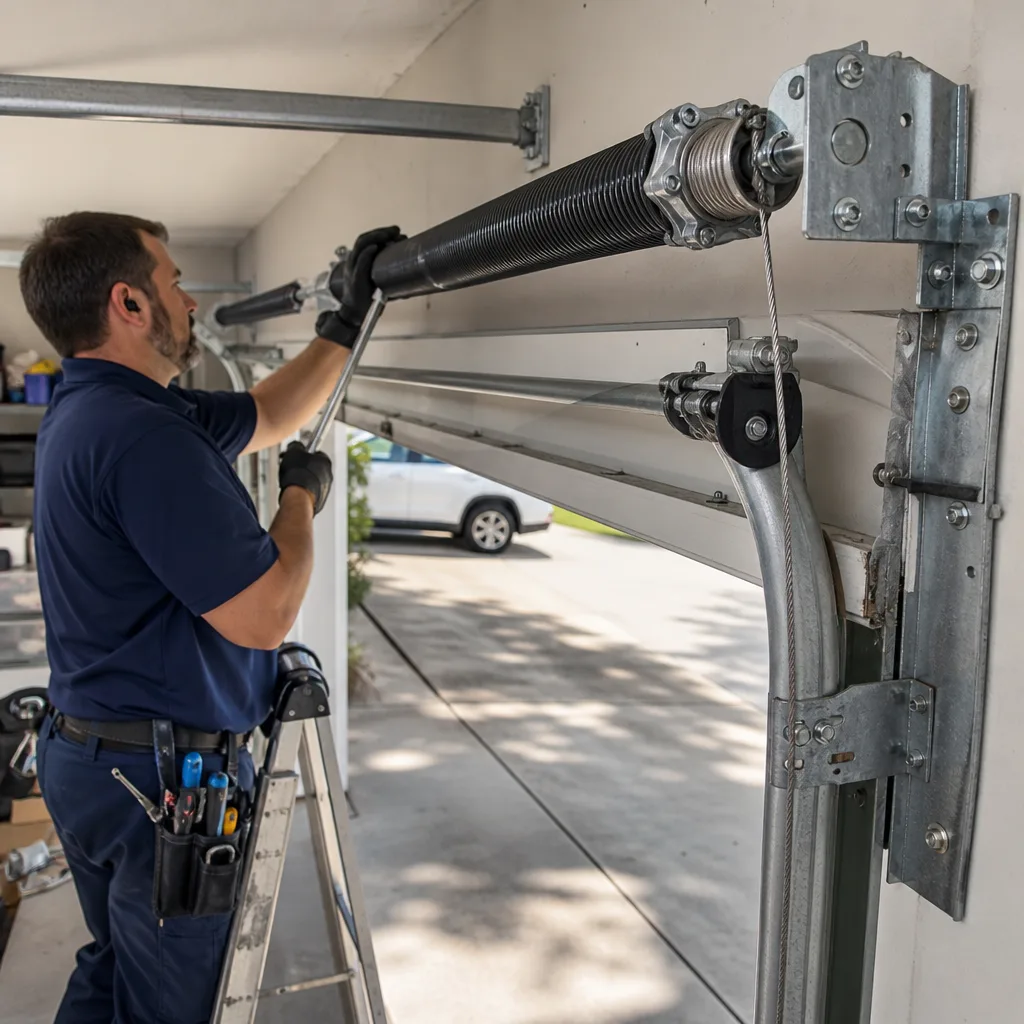 After